London green spaces: Parks, gardens, and urban oases you need to know
When you think of London, you might picture busy streets, double-decker buses, or the buzz of the Underground—but beneath all that, the city is stitched together by something quieter, older, and just as vital: London green spaces, public areas of natural land designed for rest, recreation, and ecological balance in an urban environment. Also known as urban parks, these areas aren’t just nice to have—they’re essential for mental health, air quality, and community connection. From the sweeping lawns of Hyde Park to the wildflower meadows of Hampstead Heath, these spaces are where Londoners go to reset, walk their dogs, read under trees, or just sit and do nothing at all.
These green spaces aren’t random patches of grass. They’re carefully planned, historically layered, and often deeply tied to the city’s identity. Historic landscaped gardens, formal garden designs from the Georgian and Victorian eras that blend art, horticulture, and landscape architecture. Also known as heritage gardens, these include places like Kew Gardens and the Royal Parks, where every path, statue, and hedge tells a story. Then there are the modern additions—community gardens in Tower Hamlets, pocket parks in Shoreditch, and wilding projects in Southwark that let nature reclaim forgotten corners. These aren’t just pretty backdrops; they’re active parts of London’s climate resilience strategy, cooling the city in summer and soaking up rainwater to prevent flooding.
What makes London’s green spaces unique is how they serve different needs. Some are for exercise—like the Thames Path or the Green Chain Walk. Others are for quiet reflection, like the serene gardens of the Charterhouse. A few, like the ones featured in Open House London, are architectural marvels you didn’t even know existed. And then there are the ones that feel like secrets: the overgrown corner of a cemetery in Brixton, the wild patch behind a pub in Peckham, the rooftop garden with a view of St. Paul’s. These aren’t in the tourist brochures, but locals know them by heart.
You’ll find that many of the stories here tie back to these spaces. Whether it’s someone meditating after a long day at work, a family picnicking near the Serpentine, or a group of artists painting in Regent’s Park, these green areas are where real life happens outside the noise. The posts below show how Londoners use these spaces—not just as scenery, but as vital parts of their daily rhythm. You’ll read about how gardens are being revived, how new walking routes connect neighborhoods, and how even the smallest green patch can change how people feel about their city. These aren’t just places to visit. They’re places that keep London alive.
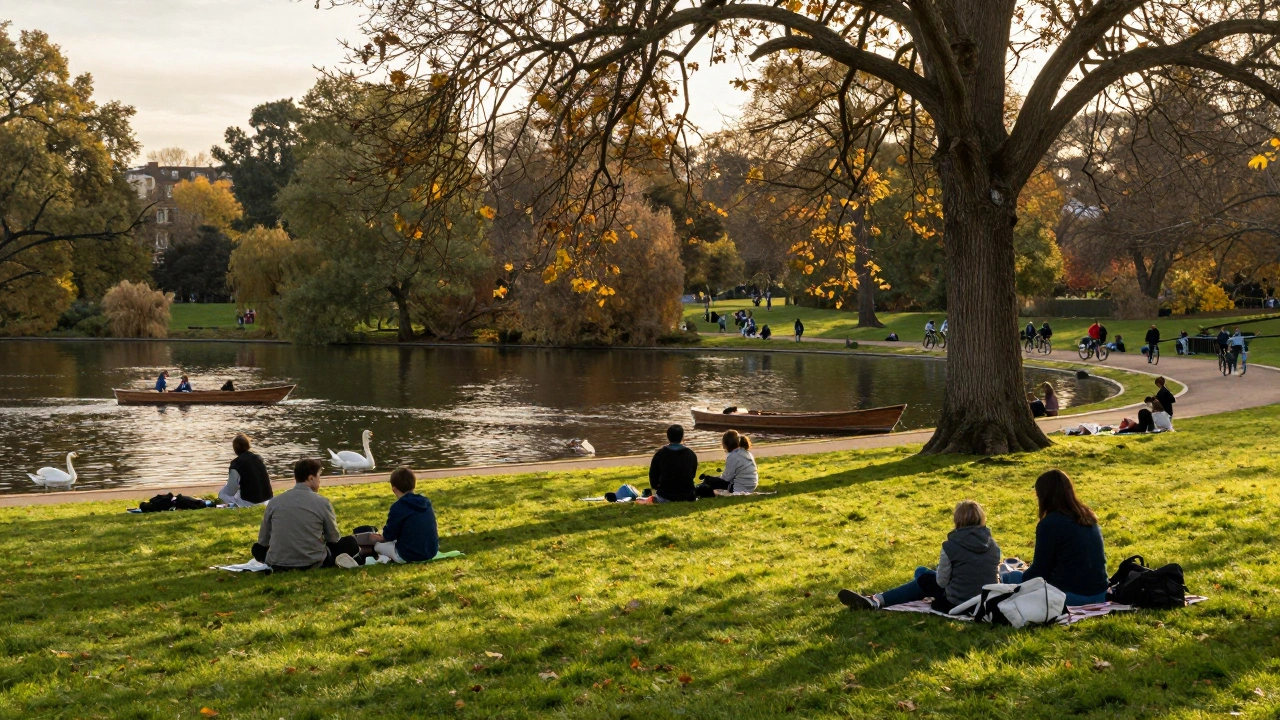
Best Parks in London: Complete Green Space Guide
Discover the best parks in London, from the grand Hyde Park to the wild beauty of Richmond Park. This guide covers top green spaces, hidden gems, and what makes each one unique for visitors and locals alike.
READ MORE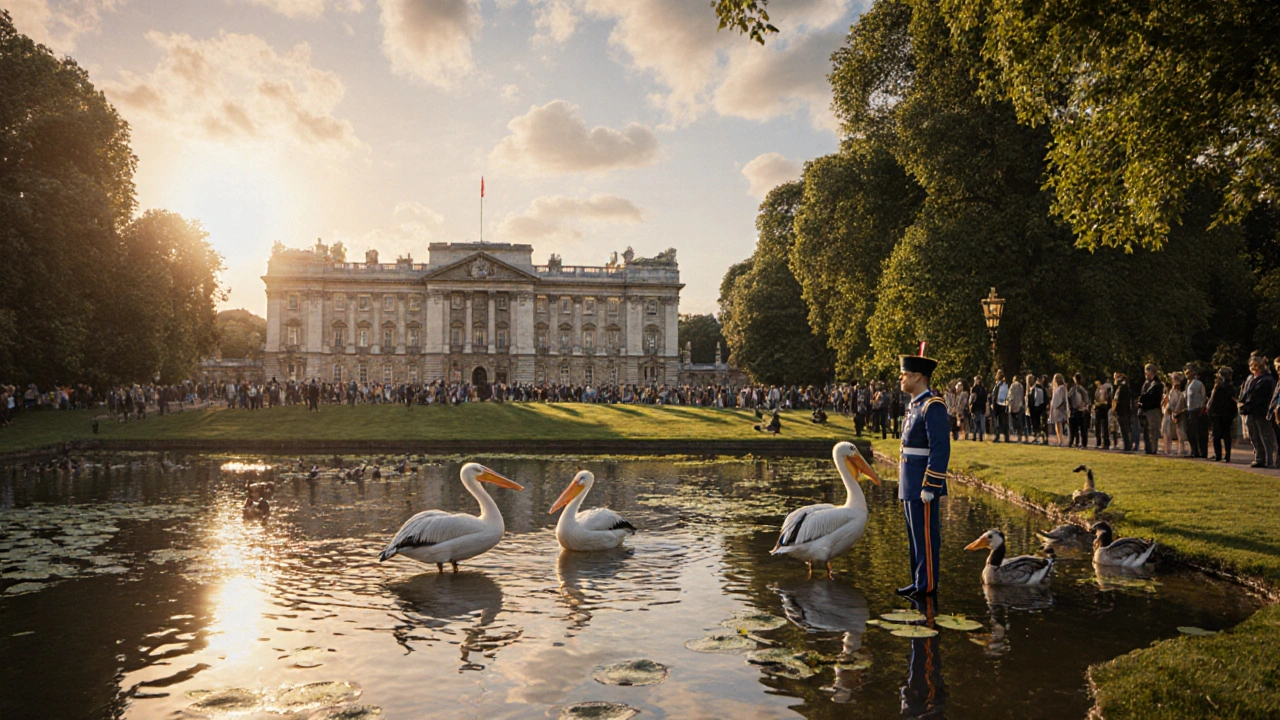
St James’s Park: London’s Royal Park and Perfect Spot to Relax
St James’s Park is London’s oldest royal park, offering peaceful walks, historic pelicans, and stunning views of Buckingham Palace. Free to enter, it’s the perfect spot to relax in the heart of the city.
READ MORE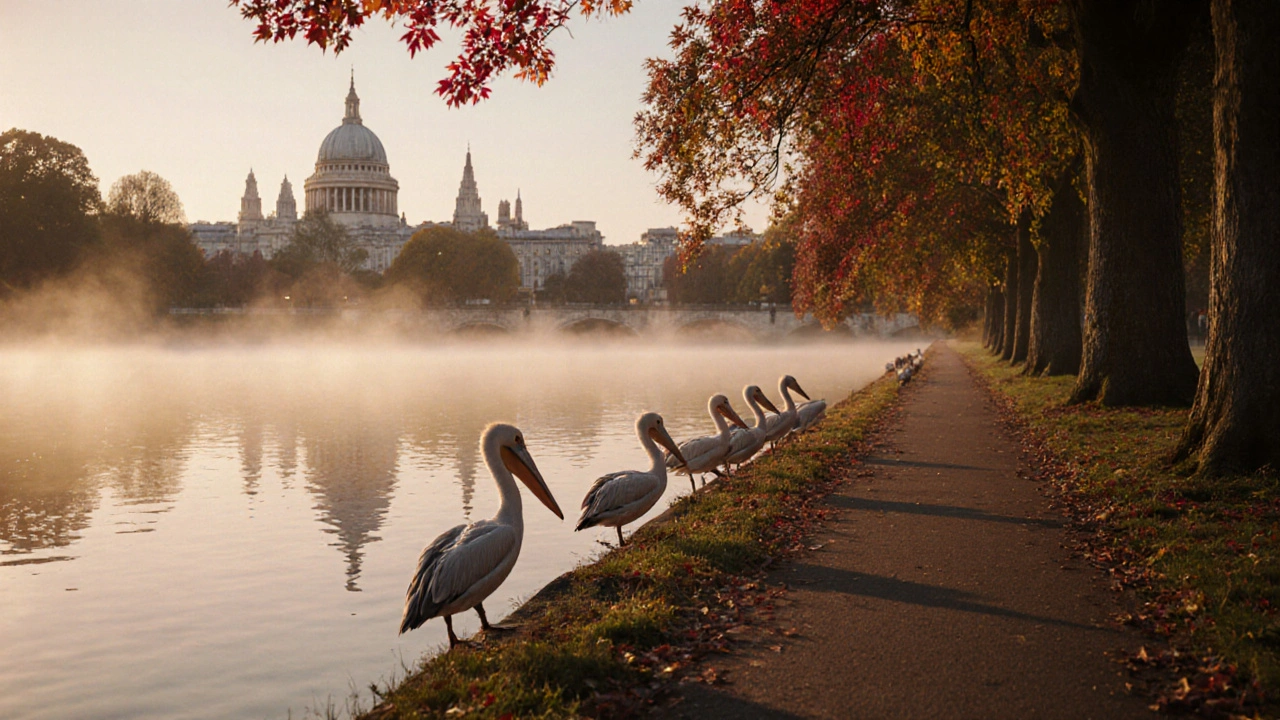
St James’s Park: Royal Park and Lake Views in the Heart of London
St James’s Park is London’s oldest royal park, famous for its tranquil lake, resident pelicans, and views of Buckingham Palace and Big Ben. A peaceful escape in the heart of the city, it’s a living space shaped by centuries of care.
READ MORE