London’s property market doesn’t just move with the economy-it leads it. While average house prices across the UK hover around £280,000, a handful of London neighborhoods command sums that would buy entire estates elsewhere. If you’re wondering where the ultra-wealthy live, it’s not about grand facades or wide driveways alone. It’s about location history, exclusivity, and supply so tight that even a 1,200-square-foot flat can cost more than £3 million. These aren’t just rich areas-they’re the apex of global real estate.
Knightsbridge: The Global Elite’s Backyard
Knightsbridge isn’t just a postcode. It’s a status symbol. Walk down Brompton Road and you’ll pass Harrods, but also private entrances to buildings where apartments sell for £10,000 per square foot. The average price for a luxury flat here is £5.2 million, but the top-tier deals? They hit £80 million. One penthouse at 14-16 Knightsbridge sold for £76 million in 2024, making it the most expensive residential sale in the UK that year. Buyers aren’t just buying space-they’re buying proximity to zero traffic, zero noise, and zero competition. Most residents here own multiple homes worldwide and use this as a secure, discreet base. The building management doesn’t just screen tenants; they vet their financial statements.
Belgravia: Quiet Power, Hidden Wealth
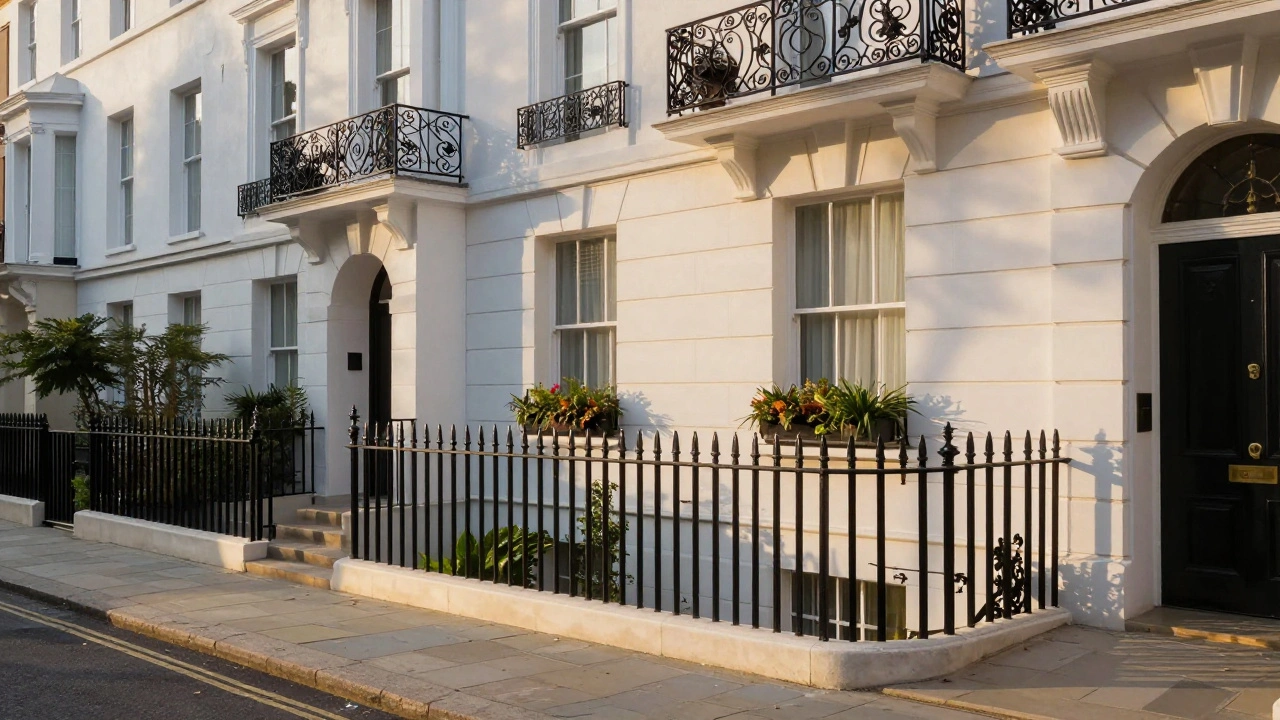
Belgravia looks like a London garden party frozen in time. White stucco townhouses, wrought-iron railings, and private gardens behind high walls. It’s not flashy, but it’s where billionaires and royalty feel safest. The average property price here is £4.8 million, but the real story is in the size. A typical 3,000-square-foot house here has four bedrooms, a basement wine cellar, and a staff entrance. Many were built in the 1820s and have been modernized with underfloor heating, smart security, and private elevators. The crown jewel? 18 Belgrave Square. It’s owned by the Sultan of Brunei’s family and valued at over £100 million. You won’t see it on a tour. You won’t see the guards. But you’ll know it’s there.
Mayfair: Where Money Meets History
Mayfair is the financial heartbeat of London’s luxury scene. It’s where hedge fund managers live, where private clubs still require handwritten invitations, and where a two-bedroom flat above a boutique can cost £6 million. The area has more millionaires per square mile than any other in Europe. In 2023, a townhouse on Grosvenor Square sold for £68 million-its first sale in 120 years. The property had been in the same family since 1890. Buyers here don’t just want a home; they want legacy. Many of these buildings are Grade II listed, meaning you can’t change the facade, but you can spend £5 million renovating the inside with Italian marble, hidden panic rooms, and home cinemas with 4K projection. The average rent for a luxury flat here is £18,000 per month.
South Kensington: Science, Art, and Six-Figure Flats
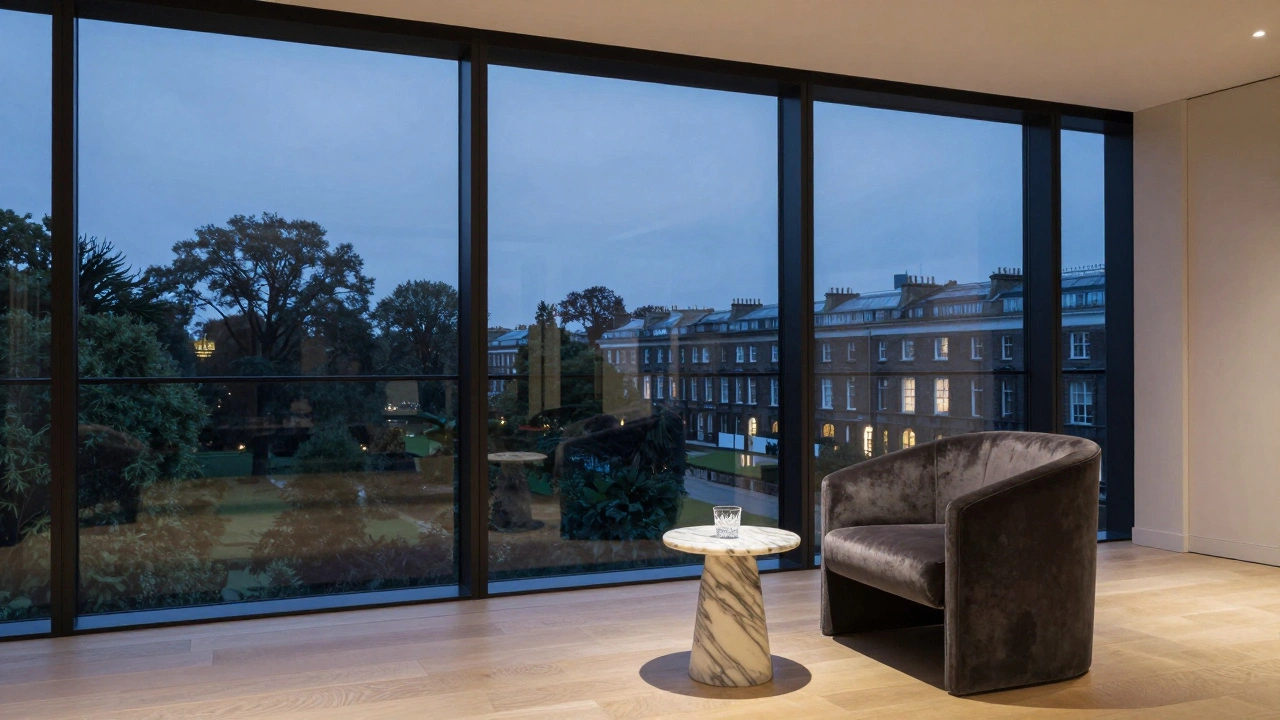
South Kensington is where the intellectual elite live-museum directors, Nobel laureates, tech founders who sold their startups. The area’s charm lies in its cultural weight: the V&A, Natural History Museum, and Royal Albert Hall are all within walking distance. But the real draw? The architecture. Victorian terraces with high ceilings, original fireplaces, and bay windows. A 2,000-square-foot flat here typically sells for £4.5 million. One standout: a three-bedroom flat at 170 Queen’s Gate sold for £7.2 million in late 2024. The buyer was a Chinese tech investor who wanted his children to attend nearby private schools like Latymer Upper. Unlike Knightsbridge, South Kensington has a slightly more lived-in feel-think bookshelves lining walls and vintage rugs-but the price tag is just as steep.
Primrose Hill: The New Money Hideout
Primrose Hill used to be the place artists and musicians lived. Now, it’s where Silicon Valley execs and hedge fund partners buy up 1930s semis and rebuild them into minimalist palaces. The hill offers panoramic views of the City, and the streets are quiet enough that you can hear birds at 7 a.m. The average home price here is £3.9 million, but new builds with glass walls, rooftop terraces, and infinity pools regularly top £6 million. One house on Chalk Farm Road sold for £8.1 million in 2025 after being completely gutted and rebuilt over two years. The owner, a former Google executive, installed a 12-meter indoor pool with saltwater filtration and a private cinema with 7.1 surround sound. Unlike Mayfair or Belgravia, Primrose Hill doesn’t have the centuries-old pedigree-but it has something just as valuable: privacy without pretense.
Notting Hill: Colorful, But Not Cheap
Notting Hill is the neighborhood you’ve seen in movies. Pastel houses, Portobello Market, and a bohemian vibe. But don’t be fooled. Behind the painted doors and flower boxes, prices have surged past £4 million for a three-bedroom flat. A house on Ladbroke Grove sold for £12.5 million in 2024-its first sale since 1987. The buyer was a Middle Eastern prince who wanted a London base with a more relaxed feel than Mayfair. The area’s appeal? It’s the only one of these neighborhoods where you can still find a mix of old and new. You’ll see a 19th-century terraced house next to a modernist glass cube with a green roof. The average property value here is £3.7 million, but the top 10% of sales regularly exceed £8 million.

Why These Areas? The Real Reasons Behind the Prices
It’s not just about square footage. These neighborhoods command their prices because of three things: scarcity, security, and status.
- Scarcity: There are fewer than 2,000 luxury homes in Knightsbridge and Belgravia combined. New builds are almost nonexistent-most are renovations of existing buildings, which take years and cost millions.
- Security: These areas have private security patrols, gated access, and low crime rates. In 2024, Belgravia recorded just 12 reported burglaries across its entire postcode-less than one per month.
- Status: Owning a home here isn’t just about comfort. It’s about being part of a global network. Many buyers are international and use these properties as investment assets. Over 60% of luxury homes in these areas are owned by non-UK residents, according to Land Registry data from 2025.
There’s also the school factor. Top private schools like Westminster, St. Paul’s, and Harrow are within 30 minutes. Parents don’t buy homes-they buy school catchments. A house in Knightsbridge that’s 10 minutes from Westminster School can cost 30% more than one just two streets over.
What You Won’t See: The Hidden Costs
Buying here isn’t just about the purchase price. You’ll pay 12% in stamp duty for properties over £1.5 million. Maintenance costs for older buildings run £50,000 to £100,000 a year. Service charges for luxury apartments can hit £15,000 annually. And if you want to rent it out? You need a license from the local council. Many buildings now ban short-term lets like Airbnb. One owner in Mayfair was fined £40,000 last year for listing his flat on a rental app.
And forget about getting a mortgage. Most luxury buyers pay in cash. Banks rarely lend more than £5 million on a single property in these areas, and even then, they demand 40% down and proof of liquid assets worth three times the loan.
Is It Worth It?
For some, yes. London’s top neighborhoods have held their value through recessions, Brexit, and global pandemics. Since 2010, property prices in Belgravia and Knightsbridge have risen over 180%. That’s more than double the UK average. The market isn’t booming-it’s consolidating. The rich are buying fewer homes, but spending more on each one.
For everyone else? It’s a reminder of how unequal the city has become. A £7 million flat in Knightsbridge could buy you a 10-bedroom estate in Surrey. But in London, it’s not about space. It’s about being in the center of a world that doesn’t need to explain itself.
What is the most expensive neighborhood in London right now?
Knightsbridge is currently the most expensive, with average property prices at £5.2 million and top sales exceeding £70 million. The 2024 sale of a penthouse at 14-16 Knightsbridge for £76 million set a new UK record for residential property.
Why are London luxury homes so expensive compared to other cities?
London’s luxury market is driven by global demand, limited supply, and political stability. Unlike New York or Paris, London has no capital gains tax on primary residences for non-residents, making it a preferred holding ground for international wealth. The city’s time zone, language, and legal system also make it easier for foreign buyers to operate.
Can foreigners buy property in these neighborhoods?
Yes, and they do-over 60% of luxury homes in Knightsbridge, Belgravia, and Mayfair are owned by non-UK residents. Buyers from the Middle East, Asia, and Russia dominate the market. There are no legal restrictions, but banks rarely offer mortgages above £5 million, so most purchases are made in cash.
Are luxury property prices in London falling?
No. While the broader UK market has cooled, London’s top 5% of properties have seen steady or rising prices since 2022. Prices in Belgravia and Knightsbridge rose 7.3% in 2024 alone. Demand from ultra-high-net-worth individuals remains strong, especially for secure, low-traffic locations.
What’s the average cost to maintain a luxury home in London?
Maintenance for a luxury home in these areas typically runs £50,000-£100,000 per year. This includes service charges, staff salaries (cleaners, gardeners, security), insurance, and repairs. Older buildings require constant upkeep-think rewiring, boiler replacements, and heritage restoration. Annual service charges for high-end apartments can reach £15,000.