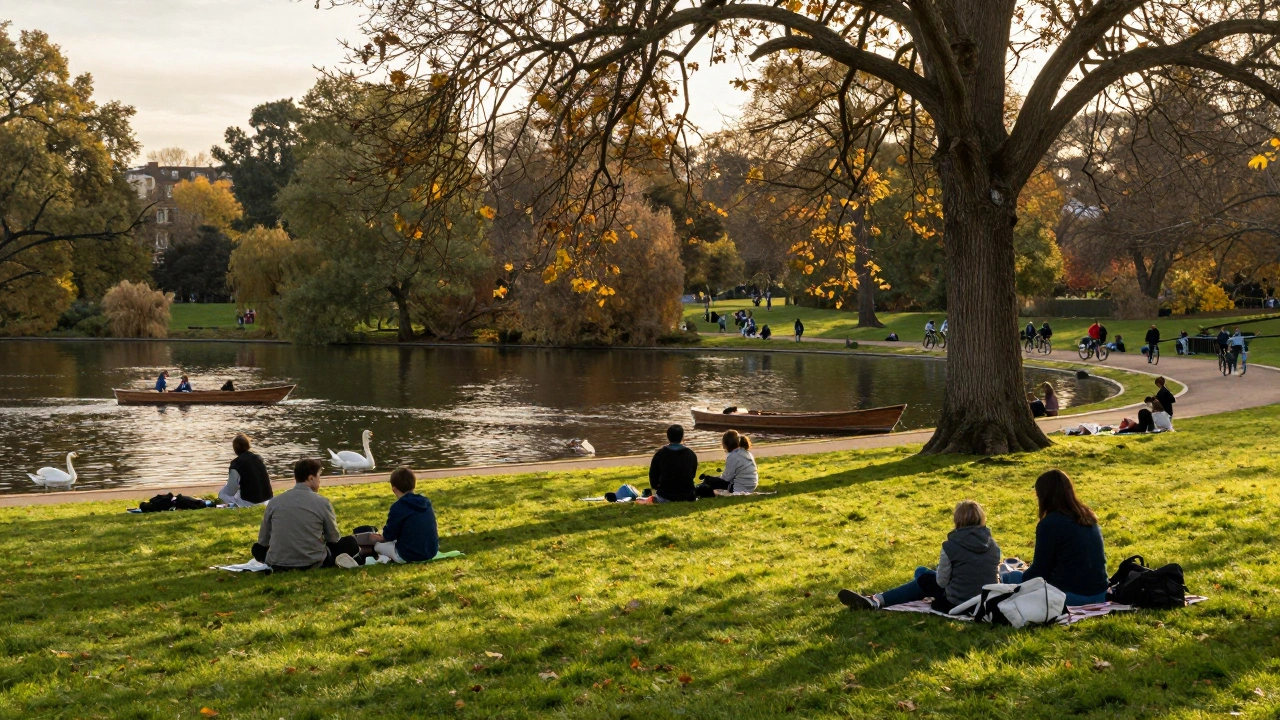
London isn’t just about the Tube, the Tower, and the tea shops. Beneath the city’s busy streets and historic buildings lies a network of green spaces so rich and varied, you could spend a lifetime exploring them without repeating a single afternoon. Whether you’re looking to escape the noise, jog along tree-lined paths, picnic under ancient oaks, or watch swans glide across still waters, London’s parks deliver. And no, you don’t need to travel far - some of the best are right in the heart of the city.
Hyde Park: The Grand Dame of London Parks
Hyde Park isn’t just big - it’s the definition of urban greenery on a grand scale. At 350 acres, it’s the largest of London’s Royal Parks and the one most visitors think of first. You’ll find joggers at dawn, cyclists on the Serpentine’s perimeter, and families spreading out on the grass near Speakers’ Corner. The Serpentine Lake itself is a hub of activity: rent a rowboat, swim in the open-water lido (a favorite among locals), or simply sit by the water and watch the swans. In summer, the park hosts open-air concerts and film nights. Come winter, the ice rink near Kensington Palace draws crowds. It’s not just a park - it’s a living room for the city.
Regent’s Park: Where Nature Meets Culture
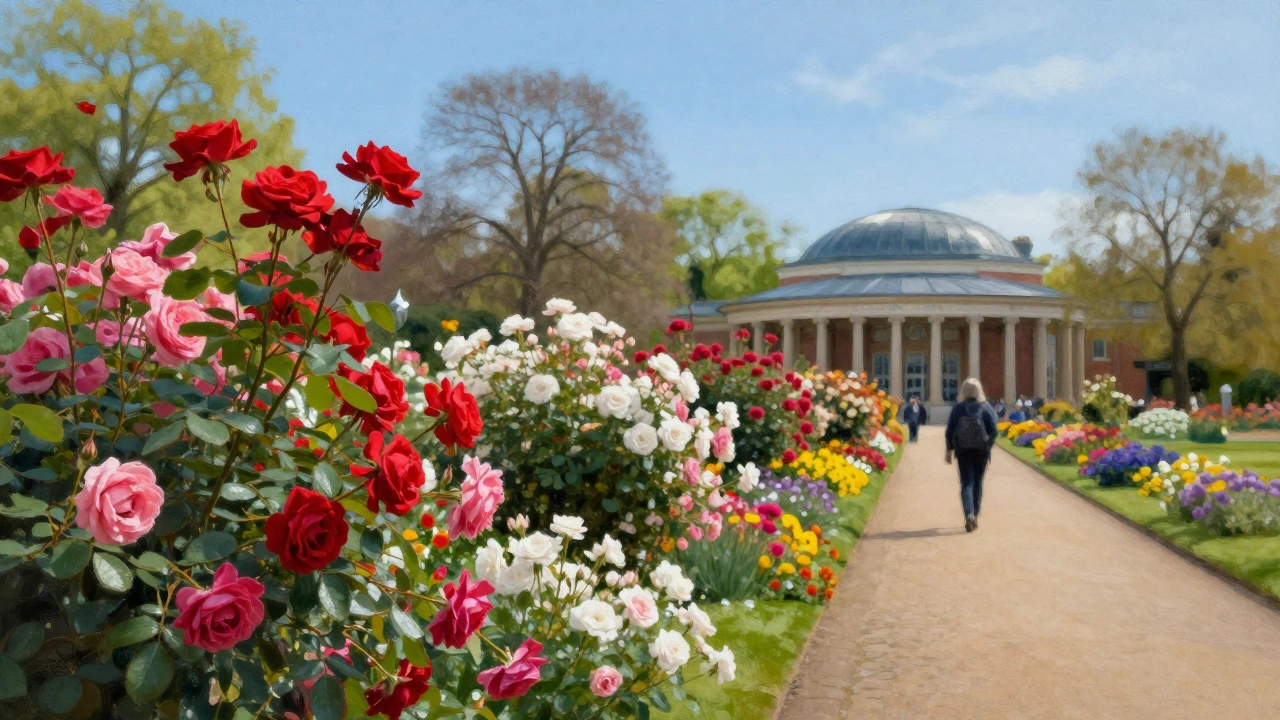
Just north of Hyde Park, Regent’s Park feels like a different world. Designed by John Nash in the 1820s, it’s quieter, more manicured, and packed with hidden gems. The Queen Mary’s Gardens alone are worth the visit - over 12,000 roses bloom here in late spring, creating a scent so strong you’ll smell it before you see it. The park also holds the London Zoo, one of the oldest in the world, and the Open Air Theatre, where Shakespeare plays are performed under the stars. Locals know to head to the boating lake at sunset, when the light hits the water just right. Unlike Hyde Park, Regent’s feels intentional - every path, every bench, every flowerbed placed with care.
St. James’s Park: The Heart of Royal London
St. James’s Park is the smallest of the Royal Parks, but it’s the most dramatic. Nestled between Buckingham Palace and the Houses of Parliament, it offers postcard views you won’t find anywhere else. The lake here is home to pelicans - yes, real pelicans - that have lived in the park since the 17th century. Every day at 3 p.m., the pelican feed draws crowds, and for good reason: it’s a rare, living piece of royal tradition. Walk the path from the palace gates to the bridge over the lake, and you’ll see ducks, geese, and coots paddling in perfect sync. It’s the kind of place where you forget you’re in the middle of a capital city. If you want to feel like you’ve stepped into a painting, this is where you go.
Greenwich Park: Views, History, and the Prime Meridian
Head southeast to Greenwich Park, and you’ll climb one of the highest points in London. The view from the top - across the Thames, past the O2 Arena, to the City skyline - is unmatched. The park sits atop the Royal Observatory, where the Prime Meridian line runs through the ground. Stand with one foot in the Eastern Hemisphere and the other in the Western - it’s a quirky, memorable moment. The park’s grassy slopes are perfect for picnics, and the deer herd that roams the upper meadows adds a touch of wildness. In autumn, the trees turn gold and red, and the scent of fallen leaves mixes with the distant sound of church bells. It’s a park that rewards patience: sit still for ten minutes, and you’ll see the city breathe around you.
Hampstead Heath: Wild, Untamed, and Fully London
If you’re looking for something less polished, more rugged, Hampstead Heath is your spot. At 790 acres, it’s the largest open space in inner London and feels more like countryside than city. The heath has no formal paths - just trails that wind through ancient woodland, meadows, and ponds. The famous Parliament Hill offers panoramic views of the skyline, and on clear days, you can see St. Paul’s Cathedral from here. The swimming ponds - three separate ones for men, women, and mixed bathing - have been in use since the 1800s. Locals swim year-round, even in freezing January. This isn’t a park for posing for photos. It’s a park for running, wandering, and breathing deeply. If you want to feel like you’ve escaped London without leaving it, this is the place.
Kensington Gardens: Elegant, Quiet, and Full of Secrets
Often confused with Hyde Park - and technically part of it - Kensington Gardens is the quieter, more refined sibling. It’s where the Kensington Palace gardens spill into open lawns dotted with statues and fountains. The Peter Pan statue, sculpted by George Frampton in 1912, is a pilgrimage site for families. The Italian Garden, with its symmetrical flower beds and marble busts, feels like a secret garden tucked into the city. The park is also home to the Albert Memorial, a dazzling Gothic structure that’s easy to miss if you’re not looking. Unlike Hyde Park’s crowds, Kensington Gardens feels like a private estate - quiet, elegant, and full of history. Bring a book. Find a bench. Stay awhile.
Victoria Park: East London’s People’s Park
Don’t skip Victoria Park - it’s the beating heart of East London’s green scene. Known locally as “Vicky Park,” it’s where communities gather for festivals, outdoor yoga, and weekend markets. At 217 acres, it’s bigger than Monaco and packed with things to do: a boating lake, a skate park, a Chinese pagoda, and a bandstand that still hosts live music in summer. The park was designed in the 1840s to give working-class Londoners access to nature - and it still feels that way today. On any given weekend, you’ll see people playing cricket, dancing to live DJs, or just lying on the grass with a takeaway curry. It’s not fancy, but it’s real. And that’s why locals love it.
Richmond Park: The Wild Side of London
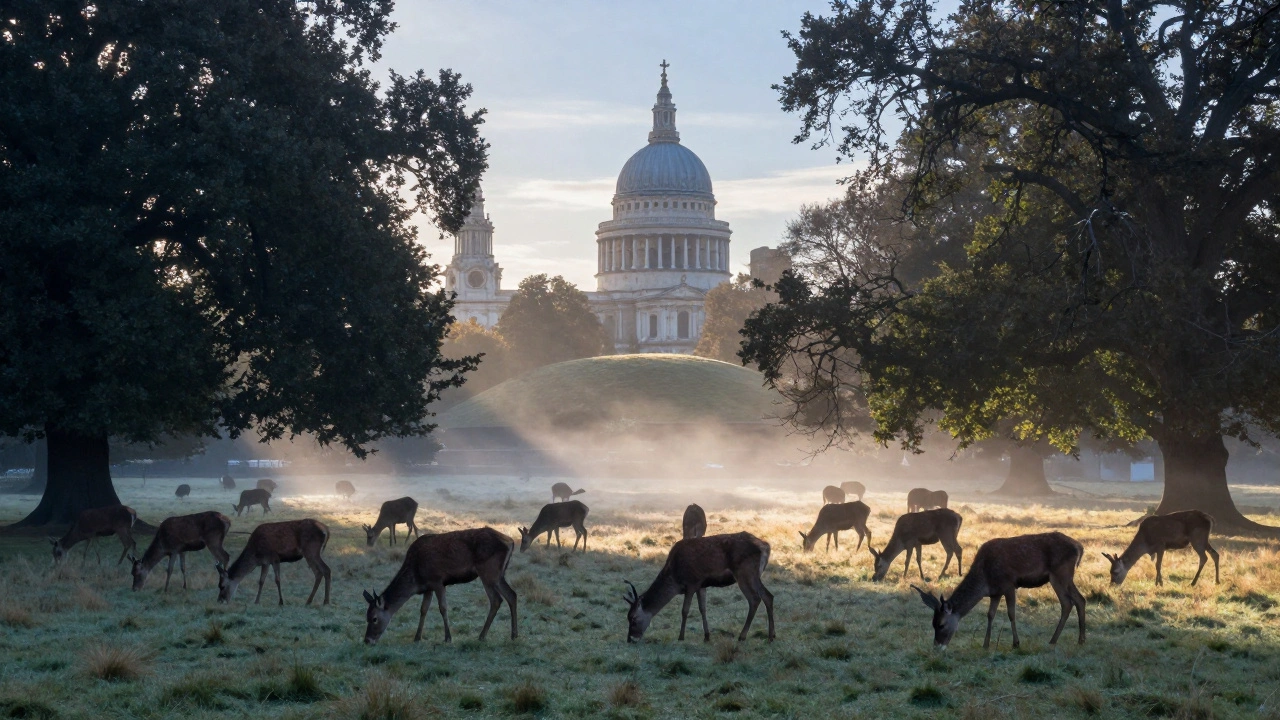
For the most untouched green space in London, head to Richmond Park. At 2,500 acres, it’s the largest of the Royal Parks and feels like a national park with a postcode. The park is home to over 600 red and fallow deer that roam freely - you’ll see them grazing near the old oak trees or crossing the roads without a care. There are no fences, no gates, no entry fees. Just endless woodland, grasslands, and the iconic Isabella Plantation, a woodland garden bursting with camellias and azaleas in spring. The view from King Henry’s Mound - a man-made hill built in the 1700s - is one of the few places in London where you can see St. Paul’s Cathedral framed perfectly between two trees. It’s the kind of place you visit to remember what nature looks like when it’s left alone.
What Makes a Great London Park?
Not all green spaces are created equal. The best parks in London share a few things: they’re easy to reach by public transport, they offer more than just grass, and they feel alive. Look for parks with water features - lakes, ponds, or streams - because they attract birds, wildlife, and people. Check for benches. Not just a few, but dozens, placed where views open up. Look for trees that are old enough to have stories - oaks over 200 years old, chestnuts that shade entire lawns. And pay attention to the people. If you see locals reading, sketching, or just sitting quietly, that’s a sign it’s working.
Some parks are designed for events. Others for solitude. Some for kids. Some for dogs. The best ones do all of it without feeling crowded. Don’t go to a park just because it’s famous. Go because it fits your mood.
When to Visit
Spring and autumn are the sweet spots. Spring brings blooming flowers and longer days. Autumn turns the trees into fire - especially in Hampstead Heath and Richmond Park. Summer is busy, but that’s when the open-air events happen. Winter is quiet, and if you don’t mind the cold, it’s the best time to walk through empty paths with steam rising from your breath. Avoid weekends in July and August if you hate crowds - Hyde Park and St. James’s can feel like a festival ground.
What to Bring
- A blanket or two - even if you don’t plan to picnic, you’ll want to sit somewhere.
- Water - many parks have drinking fountains, but not all.
- Comfortable shoes - some paths are uneven, and you’ll want to walk far.
- A camera - not for selfies, but for the light. London’s light on water, through trees, at golden hour, is unforgettable.
- A book or sketchpad - if you’re the type who likes to linger.
Final Tip: Skip the Tourist Traps
There are dozens of parks in London. You don’t need to see them all in one day. Pick one that matches your vibe. If you want peace, go to Kensington Gardens. If you want energy, head to Victoria Park. If you want to feel wild, go to Richmond. And if you’re unsure? Start with Hyde Park. It’s the heart. From there, you’ll find your way.
Are London’s parks free to enter?
Yes, all Royal Parks - including Hyde Park, Regent’s Park, St. James’s Park, Greenwich Park, Kensington Gardens, and Richmond Park - are free to enter. Some activities inside them, like boating or visiting the zoo, may cost money, but walking in and using the paths, lawns, and lakes is always free.
Can I bring my dog to London parks?
Most London parks welcome dogs, but rules vary. In Hyde Park and Hampstead Heath, dogs can roam off-leash in designated areas. In St. James’s Park and Kensington Gardens, dogs must be on a lead at all times. Richmond Park allows off-leash dogs in most areas, but not near the deer herds. Always check signs at park entrances - local councils enforce these rules.
Which London park has the best views?
For skyline views, head to Parliament Hill in Hampstead Heath - you can see St. Paul’s Cathedral and the City skyline in one frame. For royal views, St. James’s Park offers the best sightline of Buckingham Palace. Greenwich Park gives you a sweeping panorama across the Thames, and Richmond Park’s King Henry’s Mound frames St. Paul’s perfectly between two trees.
Are there picnic areas in London parks?
Yes, almost every major park has picnic-friendly spots. Hyde Park has wide open lawns near the Serpentine. Regent’s Park has quiet corners near the boating lake. Victoria Park has dedicated picnic zones with tables. Richmond Park has grassy clearings under ancient oaks. Just avoid areas marked as protected wildlife zones - and always take your rubbish with you.
How do I get to these parks using public transport?
All major parks are reachable by Tube, bus, or Overground. Hyde Park is a 5-minute walk from Marble Arch or Knightsbridge stations. Regent’s Park is served by Baker Street and Great Portland Street. St. James’s Park is right next to the Tube station of the same name. Greenwich Park is a 10-minute walk from Maze Hill or Greenwich stations. Richmond Park is accessible via the 65 or 371 bus from Richmond Station. Most parks have clear signage from nearby stations.
Next Steps
Start with one park this weekend. Pick the one that sounds most like the kind of place you’d want to spend an afternoon. Bring a snack. Leave your phone in your pocket for an hour. Walk slowly. Look up. Notice how the light changes as the day moves. That’s what London’s parks are for - not to be checked off a list, but to be felt.