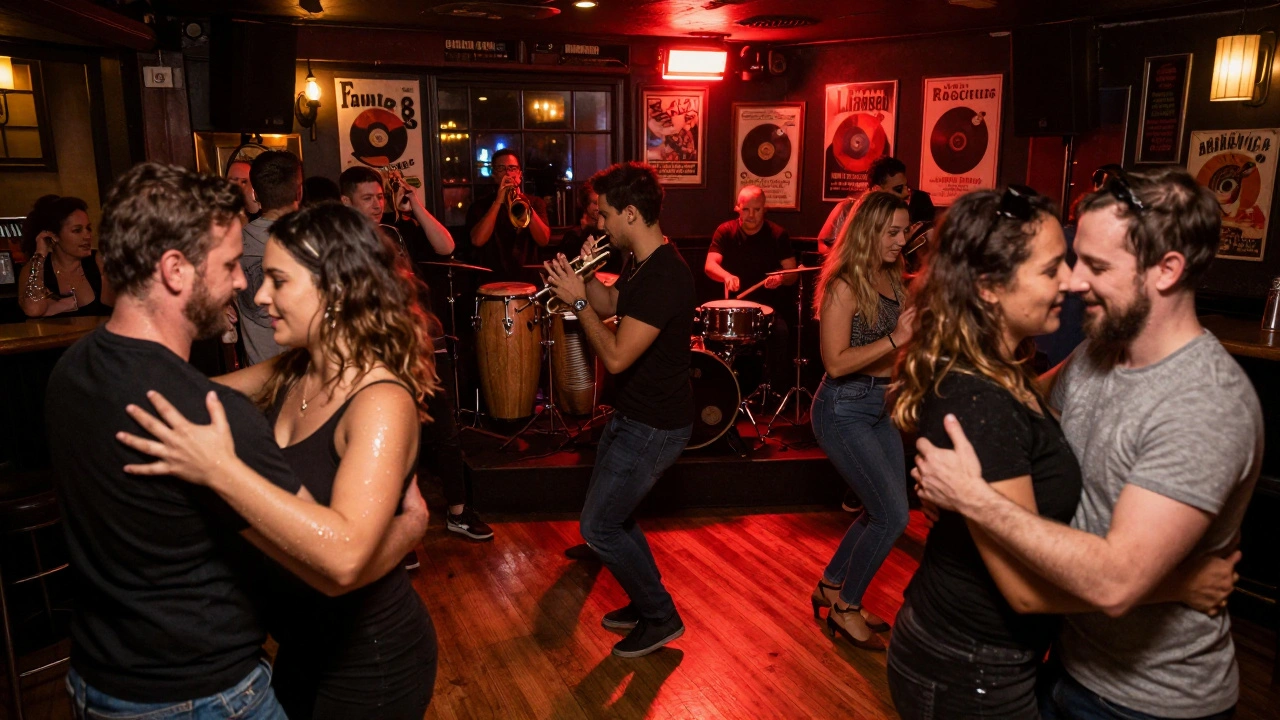
On a Friday night in London, the air hums with congas, trumpets, and the shuffle of feet on wooden floors. You’re not in Havana, Mexico City, or Bogotá-you’re in a basement bar in Camden, sweat glistening under dim red lights, dancing salsa with someone you met five minutes ago. This isn’t a fantasy. It’s London’s Latin music scene, alive, loud, and growing every year.
Where to Find Real Salsa in London
London doesn’t just host Latin nights-it hosts salsa like a second language. You won’t find it in tourist traps with fake mariachi bands. The real stuff lives in places like La Cueva in Soho, where the DJ plays 1970s Fania Records and the floor fills by 9 p.m. sharp. Or El Rincón de la Salsa in Brixton, where Cuban-born instructors lead open classes before the band takes the stage. These aren’t performances. They’re gatherings.
On Saturdays, La Cumbre in Shoreditch turns into a 300-person dance floor with a live six-piece band. The conga player, Carlos, has been touring since 1998. The trumpet section? Two ex-members of a Venezuelan salsa orchestra. They don’t play covers. They play originals-songs written in Caracas, Miami, and now, London.
The Bands That Keep the Rhythm Alive
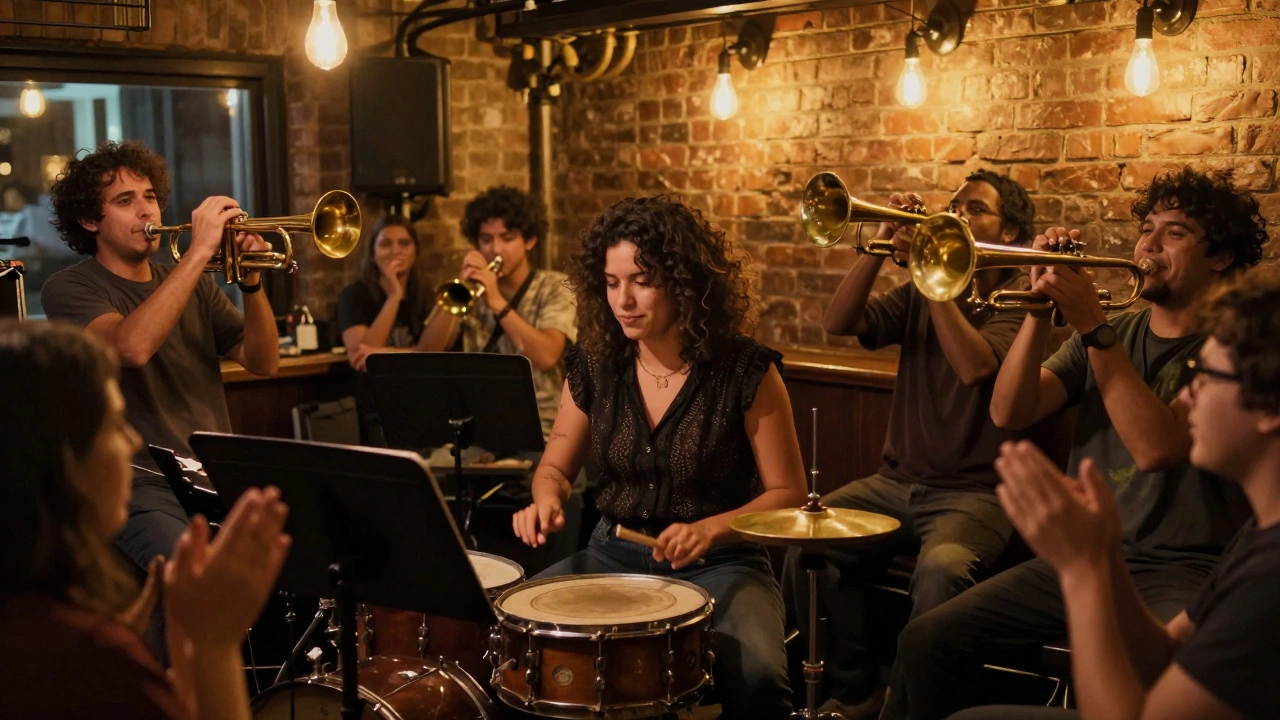
Forget pre-recorded tracks. The best Latin nights in London feature live bands that don’t just play music-they breathe it. Orquesta La 33 is the most booked group in the city. They’ve played at the Royal Albert Hall and still show up at a tiny pub in Peckham every third Thursday. Their drummer, Mireya, learned to play on a cardboard box in Caracas. Now she hits the snare like it owes her money.
Latin Heat brings the energy of Colombia’s Cumbia and the punch of Puerto Rican Bomba. Their bassist, Leo, used to play on street corners in Medellín. He moved to London in 2019 and now teaches bass workshops at the Latin Music Centre in Hackney. He says the secret isn’t technique-it’s timing. "You don’t count the beats," he told me. "You feel them in your ribs."
Los Soneros del Este specialize in Dominican Bachata and salsa dura. They’ve been playing together since 2015 and still rehearse in a garage in Walthamstow. Their lead singer, Rafael, is from Santo Domingo. He doesn’t sing in English. He doesn’t need to. The crowd knows every line.
Dance Classes for Beginners-No Experience Needed
If you’ve never danced salsa before, don’t worry. You don’t need to be graceful. You don’t need to know the difference between a cross-body lead and a natural turn. What you need is a willingness to move.
London Salsa Academy offers weekly beginner classes on Tuesdays at 7 p.m. in a studio above a bakery in Islington. The instructor, Sofia, has been dancing since she was six in Cali, Colombia. Her rule? "If you can walk, you can salsa." The class costs £12. You don’t need a partner. You’ll rotate. You’ll laugh. You’ll sweat.
At El Ritmo in Bayswater, they run "Salsa Sundays"-a three-hour session that starts with a 45-minute lesson, then opens the floor to free dancing. The music switches from slow ballads to fast timba. By 10 p.m., people who came alone are dancing with strangers. No one’s watching. Everyone’s moving.
What to Wear-And What Not To
You don’t need to buy expensive dance shoes. But you do need shoes that let you turn. Flat leather soles work best. Avoid sneakers-they stick. Avoid high heels-they’ll ruin your knees after two songs.
Wear something comfortable. A dress that moves. A shirt that breathes. A pair of pants that let you twist. No one’s judging your outfit. They’re judging your rhythm. And if you’re off-beat? That’s okay. The band won’t stop. The crowd won’t laugh. They’ll just move with you.
When to Go-And When to Skip
Most venues start packing in by 8:30 p.m. Arrive before 9 p.m. if you want a good spot near the dance floor. After 10:30, the energy peaks. The band plays longer sets. The drinks flow. The floor gets tighter. That’s when you’ll see couples dancing with their eyes closed, lost in the music.
Avoid Mondays and Tuesdays. Most clubs are quiet. Some don’t even open. Stick to weekends. Thursday nights at La Cueva are a hidden gem-smaller crowd, better music, cheaper drinks. Friday and Saturday are the big nights. Book a table if you can. Walk-ins get turned away after 10 p.m. on busy weekends.
Why London’s Scene Is Different
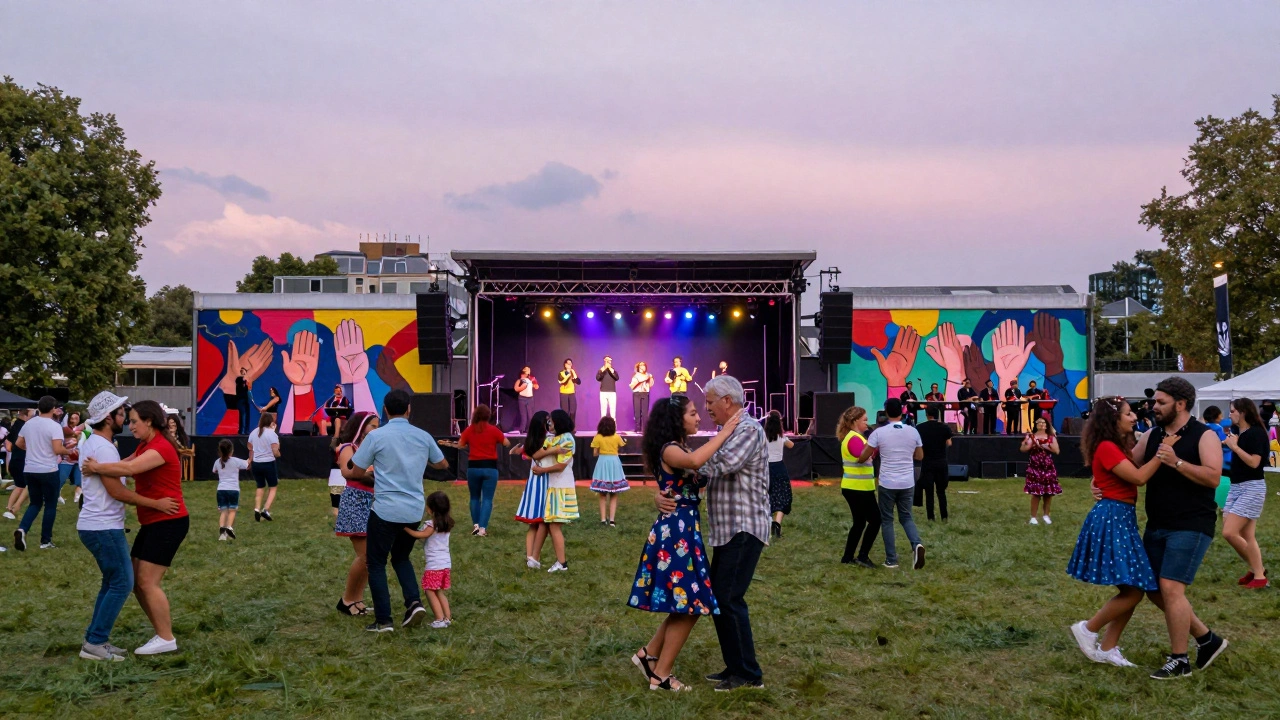
London’s Latin music scene isn’t a replica of Miami or New York. It’s something new. It’s Cuban musicians teaching in Hackney. It’s British kids learning to clap on the two and eight. It’s a Nigerian drummer adding Afrobeat rhythms into a salsa arrangement. It’s a Polish woman who moved here in 2021 and now leads a weekly dance circle in Tottenham.
The city doesn’t just tolerate Latin music. It absorbs it. Adapts it. Makes it its own. You won’t find this kind of fusion anywhere else in Europe. Not in Paris. Not in Berlin. Not even in Barcelona.
The scene thrives because it’s community-driven. No big corporations. No flashy marketing. Just people who love the music showing up, week after week, rain or shine. The bands don’t get paid much. The venues don’t make big profits. But they keep going. Because the music matters more than the money.
How to Get Involved
Want to join? Here’s how:
- Follow @londonsalsa on Instagram for weekly event updates.
- Join the London Latin Music Meetup group on Facebook. 2,300 members. New events posted every Monday.
- Sign up for a beginner class. One session costs less than a takeaway coffee.
- Bring a friend. Or don’t. Either way, show up.
You don’t need to be a dancer. You don’t need to speak Spanish. You just need to be willing to move.
What’s Next for London’s Latin Scene
In 2025, the first-ever London Latin Music Festival is happening in Victoria Park. Ten bands. Four stages. Three days. Free entry. Organized by local musicians, not corporations. The lineup includes a Cuban charanga, a Colombian cumbia group, and a London-based salsa orchestra made up of refugees from Venezuela and Puerto Rico.
There’s talk of a permanent Latin music hub in Peckham-a space with a dance floor, recording studio, and classroom. Funded by community donations. No investors. No ads. Just music.
This isn’t a trend. It’s a movement. And it’s not going anywhere.
Do I need to know how to dance to enjoy salsa nights in London?
No. Many people come just to listen, drink, and watch. But if you want to dance, every venue has beginner-friendly nights with free lessons. You don’t need experience-just a willingness to try.
Are Latin music venues in London expensive?
Most places charge £5-£10 entry, often waived if you arrive before 9 p.m. Drinks are priced like any London bar-£6-£8 for a cocktail. Beginner dance classes cost £10-£12. It’s affordable compared to other live music scenes in the city.
Can I bring my own partner to salsa nights?
Yes, but you don’t have to. Most events encourage rotating partners, especially in classes. It’s how you learn faster and meet more people. If you’re a beginner, dancing with others helps you adapt to different styles.
Is the crowd mostly tourists or locals?
It’s mostly locals-Londoners from all backgrounds. You’ll see students, teachers, nurses, engineers, retirees. Tourists come, but they’re a minority. The real heart of the scene is the community that’s built it over the last 15 years.
Are there salsa events outside of London?
Yes. Manchester, Birmingham, and Leeds have growing scenes, but they’re smaller. London still has the most venues, bands, and events. If you want the full experience, London is the place.
If you’re looking for a night out that’s more than just drinks and music-something that makes you feel alive-this is it. Show up. Let the rhythm find you.