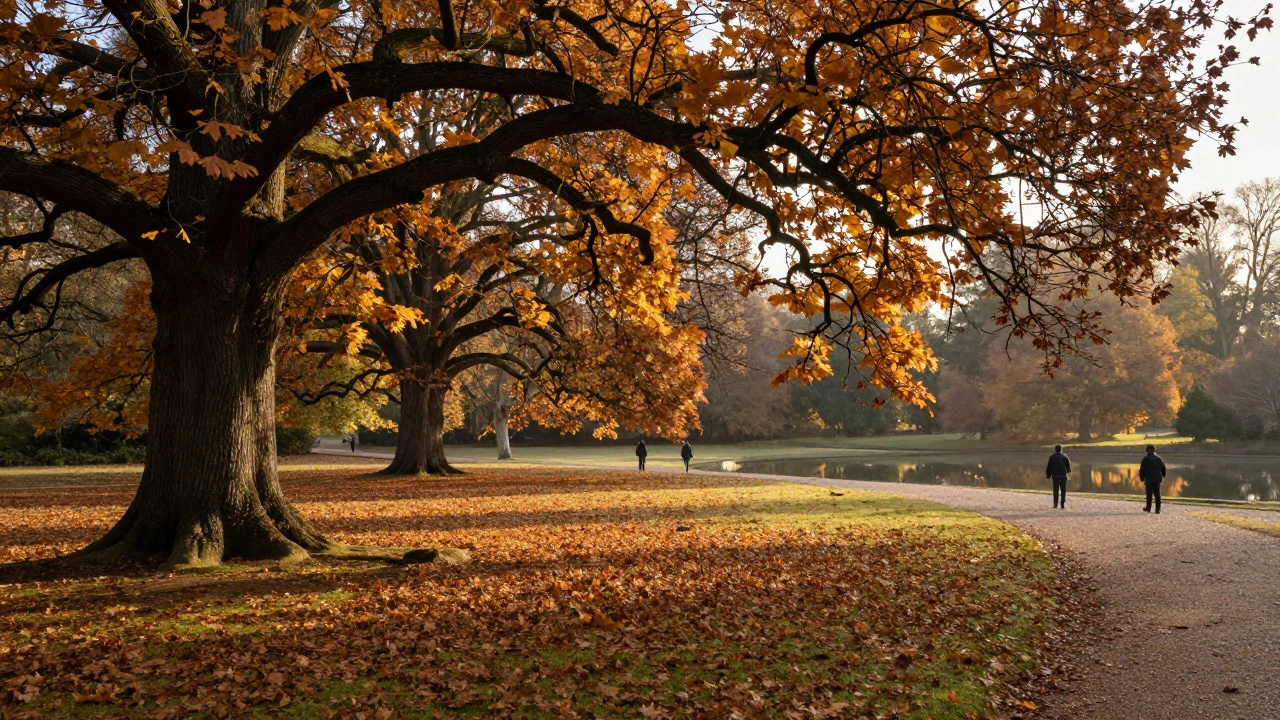
Autumn in London isn’t just about cooler weather-it’s a hidden show of color that most people walk right past.
Most folks think of London as gray skies and busy streets, but come October, the city’s parks turn into living paintings. Red maples, golden chestnuts, and amber oaks don’t just grow in the countryside-they line the paths of Hyde Park, Richmond Park, and Regent’s Park, turning quiet afternoons into unforgettable experiences. You don’t need to drive an hour to see fall colors. You just need to know where to look-and when.
When do London’s trees actually change color?
The timing isn’t fixed. It depends on the weather, the tree species, and even the microclimate of each park. But generally, the best window is between mid-October and early November. Early October might still feel like summer, with green leaves clinging on. By the third week of October, the first real bursts of color appear-usually in the park’s oldest trees. The peak? That’s usually the first week of November. After that, winds and rain start stripping the leaves, and the ground turns into a crunchy, colorful carpet.
Here’s a simple rule: if the daytime temperature drops below 10°C for three days in a row, the trees start to react. London’s average October highs hover around 13°C, so you’re usually in the sweet spot. Rainy days don’t hurt-moist soil helps the trees hold onto color longer. But if you get a hard frost before mid-October, things can speed up. In 2023, a sudden cold snap in late September pushed peak color to October 20. So check the forecast, but don’t overthink it.
Where to go for the best fall views in London
Not all parks are created equal when it comes to autumn. Some have rows of identical plane trees that turn a dull yellow. Others? They’re full of rare specimens and unexpected bursts of red.
- Richmond Park-This 2,500-acre royal park is the crown jewel. It’s home to over 600 mature oaks and hundreds of sweet chestnuts. The open grasslands let you see the trees from a distance, and the golden light at sunset turns the whole valley into a firelit scene. Head to Pen Ponds or Isabella Plantation for the most concentrated color.
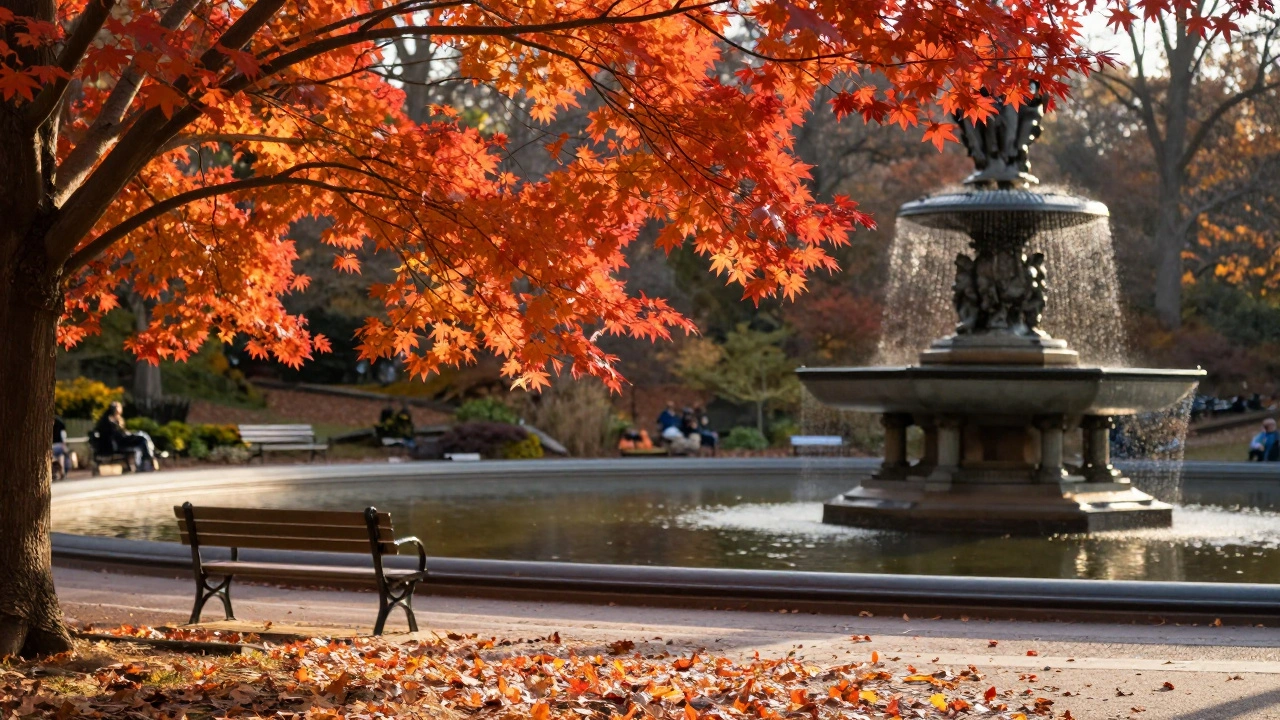
- Hyde Park-Easily accessible and packed with visitors, but don’t skip it. The long row of London plane trees along The Serpentine turns bright gold. Look for the red maples near the Diana Memorial Fountain-they’re the most vivid. Go on a weekday morning, and you’ll have the paths mostly to yourself.
- Regent’s Park-The rose gardens are gone by autumn, but the surrounding trees make up for it. The northern edge near the Open Air Theatre has a cluster of sugar maples that blaze crimson. The lake’s edge reflects the colors like a mirror.
- Greenwich Park-Perched on a hill with views of the Thames and the O2, this park has a mix of beech, hornbeam, and ginkgo trees. The ginkgos turn a sharp, almost neon yellow. They’re hard to miss. Go after lunch, when the sun hits the eastern side of the park just right.
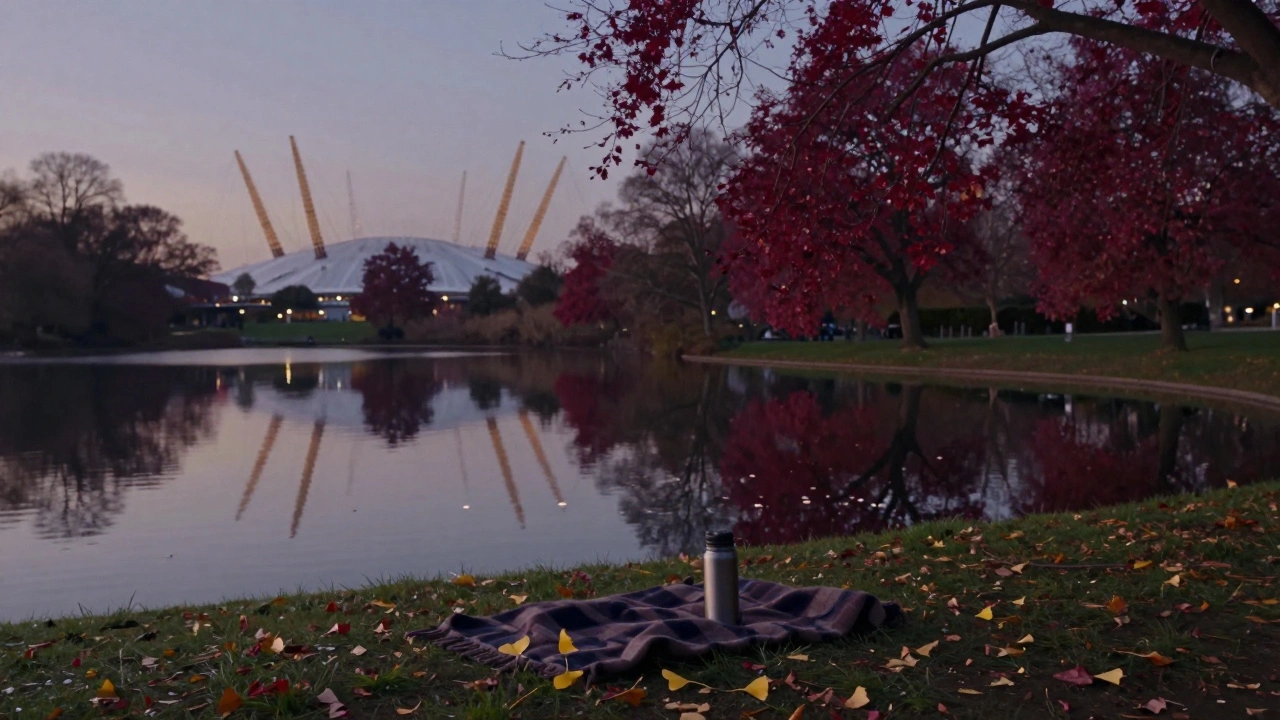
- Victoria Park-A local secret. East London doesn’t get the same tourist traffic, but the park’s 210 acres are full of red oaks and liquidambers. The lake here reflects the trees perfectly at dusk. Bring a thermos and sit on the grass. You’ll see more color here than in some national parks.
What trees should you look for?
Not every tree puts on a show. London’s streets are lined with plane trees, which turn a pale yellow and shed early. But if you know what to spot, you’ll find the real stars.
- Maple trees-Red and sugar maples are the stars. They turn bright red-orange and hold their leaves longer. Look for them near water features.
- Ginkgo biloba-These ancient trees turn a single, uniform gold. They’re rare in parks but show up in Greenwich and Regent’s. Their leaves fall all at once, creating a golden carpet.
- Sweet chestnut-Found mostly in Richmond Park. Their leaves turn golden-brown and stay on the branches longer than most.
- London plane-Common, but dull. They turn yellow and drop quickly. Don’t go for them.
- Liquidamber-Also called sweetgum. They turn deep red-purple and are mostly found in Victoria Park and Kew Gardens.
How to plan your visit
You don’t need to rush. But a little planning makes a big difference.
- Check the weather forecast-No rain the day before you go. Dry leaves stay brighter. Wind? Avoid it. A 20mph gust strips leaves overnight.
- Go midweek-Weekends are packed. Tuesday and Wednesday mornings are quiet. You’ll get better photos and more peace.
- Bring layers-Autumn mornings in London can be chilly, even if it’s sunny. A light coat and gloves are enough. You’ll be walking, not hiking.
- Timing matters-Late afternoon light is best. The sun hits the trees at a low angle, making the colors pop. Aim for 3-5 p.m.
- Use a park map-Most London parks have free maps at entrances. Look for labeled tree zones. Richmond Park’s app even shows real-time color updates from volunteers.
What to bring
- A camera with manual settings (or just your phone-auto mode works fine)
- A thermos of tea or coffee (yes, even if it’s sunny)
- A small blanket or mat to sit on
- Sturdy shoes-wet leaves can be slippery
- A notebook or phone note to jot down where you saw the best spots
Why this matters
Leaf-peeping isn’t just about taking pretty pictures. It’s about reconnecting with nature in a city that rarely feels green. London’s parks are among the oldest and most carefully managed in the world. The trees you see now were planted by Victorians, survived the Blitz, and now thrive because of decades of care. Seeing them turn color isn’t just seasonal-it’s historical.
Every year, the same trees do the same thing. And every year, someone new notices. You don’t need to travel far to find wonder. Sometimes, it’s right outside your door.
When is the best time to see autumn leaves in London parks?
The best time is typically between mid-October and early November. Peak color usually happens in the first week of November, but it varies each year depending on weather. Look for consistent temperatures below 10°C and dry conditions to maximize color retention.
Which London park has the most vibrant fall colors?
Richmond Park is widely considered the best for fall colors. With over 600 mature oaks and hundreds of sweet chestnuts, its open landscapes and varied tree species create unmatched depth and contrast. Isabella Plantation within the park is especially vivid due to its collection of rare deciduous trees.
Are there any trees in London that turn red in autumn?
Yes. Red maples and sugar maples turn bright red-orange, and liquidambers (sweetgum) show deep red-purple. These are found in Hyde Park near the Diana Memorial Fountain, Regent’s Park near the Open Air Theatre, and Victoria Park around the lake. Ginkgo trees turn golden yellow-not red-but are equally striking.
Do I need to pay to visit these parks in autumn?
No. All the major London parks mentioned-Hyde Park, Richmond Park, Regent’s Park, Greenwich Park, and Victoria Park-are free to enter year-round. Some smaller gardens within parks, like Kew’s Temperate House, charge admission, but the outdoor areas and tree displays are always open.
Can I take photos of the leaves without a fancy camera?
Absolutely. Modern smartphones capture autumn colors beautifully. Use the HDR mode, avoid direct backlighting, and shoot during golden hour (3-5 p.m.) for the best results. A simple tripod or even resting your phone on a bench can help reduce blur.