British Ceremonial Dress: Tradition, Symbols, and Modern Use in London
When you see the British ceremonial dress, a formal attire worn during official state and royal events in the UK, often featuring intricate embroidery, historical fabrics, and symbolic insignia. Also known as state dress, it’s not just clothing—it’s a living archive of power, history, and national identity. You’re not just watching a parade. You’re seeing centuries of protocol stitched into wool, silk, and gold thread.
These outfits aren’t costumes. They’re regulated by strict rules passed down through royal warrants and military codes. The royal attire, the specific garments worn by members of the British royal family during coronations, state openings of Parliament, and other formal ceremonies. Also known as coronation robes, it includes the Imperial State Crown, the Robe of State, and the ermine-lined mantles that only appear a few times a year. Then there’s the state uniforms, military and civil service dress codes mandated for official duties, often worn by peers, judges, and senior officials. Also known as court dress, these include tailcoats with lace jabots, cocked hats, and swords—still worn today at events like the Lord Mayor’s Show or the Garter Ceremony. Each piece has a purpose: to signal rank, to honor lineage, to remind everyone that some traditions don’t fade, even in a fast-moving city like London.
It’s not just about the past. In London, these outfits still show up where you’d least expect them—outside Buckingham Palace during Changing of the Guard, in the House of Lords during debates, even at the annual Trooping the Colour. You’ll see them in the V&A’s costume design shows, where historic ceremonial garments are displayed like fine art. You’ll spot them in the theatre production design of West End plays that recreate royal court scenes. Even in street fashion, designers pull inspiration from the bold silhouettes and rich textures of ceremonial wear, turning centuries-old symbols into modern statements.
What makes British ceremonial dress unique isn’t just how it looks—it’s how it’s used. Unlike fashion trends that come and go, these garments are preserved, repaired, and passed on. A single robe might be worn by five generations of monarchs. A military tunic might have been stitched by the same workshop since the 1800s. In a city full of change, these outfits are anchors. They don’t shout. They don’t trend. They just are.
What you’ll find below is a curated collection of stories that connect British ceremonial dress to the living culture of London. From the hidden workshops that maintain royal garments, to the museums that display them, to the events where they still take center stage—you’ll see how tradition isn’t frozen. It’s alive, worn, watched, and still deeply meaningful in the heart of the capital.
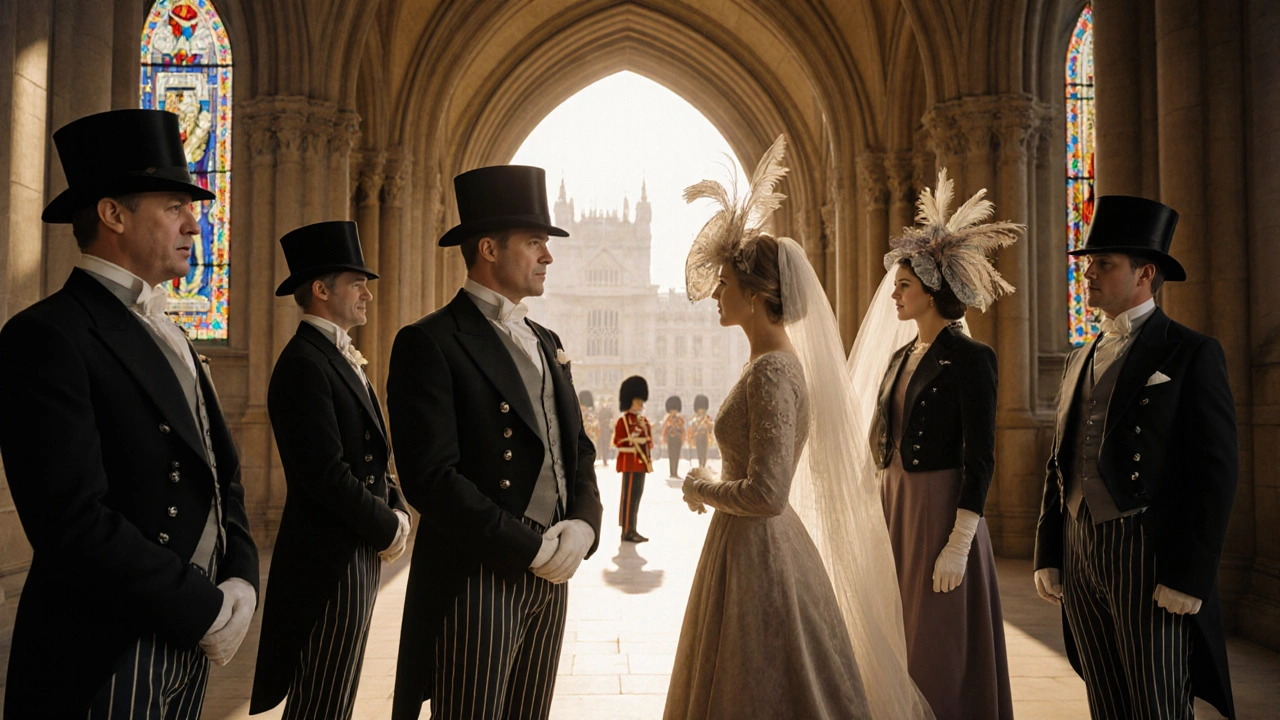
British Ceremonial Dress Codes: Hats, Tails, and Tiaras Explained
British ceremonial dress codes include morning dress, evening dress, and court dress - each with strict rules on hats, tails, and tiaras. These aren't fashion choices but constitutional traditions still followed today.
READ MORE