London’s Mediterranean dining scene got a serious upgrade in 2025
If you’ve been waiting for the next big wave of Mediterranean food in London, you won’t be disappointed. This year, a fresh crop of restaurants opened their doors - not just copying the usual grilled fish and hummus clichés, but digging into regional roots from Sicily to Syria, from Crete to Cyprus. These aren’t just places to eat. They’re where ingredients tell stories, and every dish feels like a conversation with the coast.
Where the real flavors are hiding
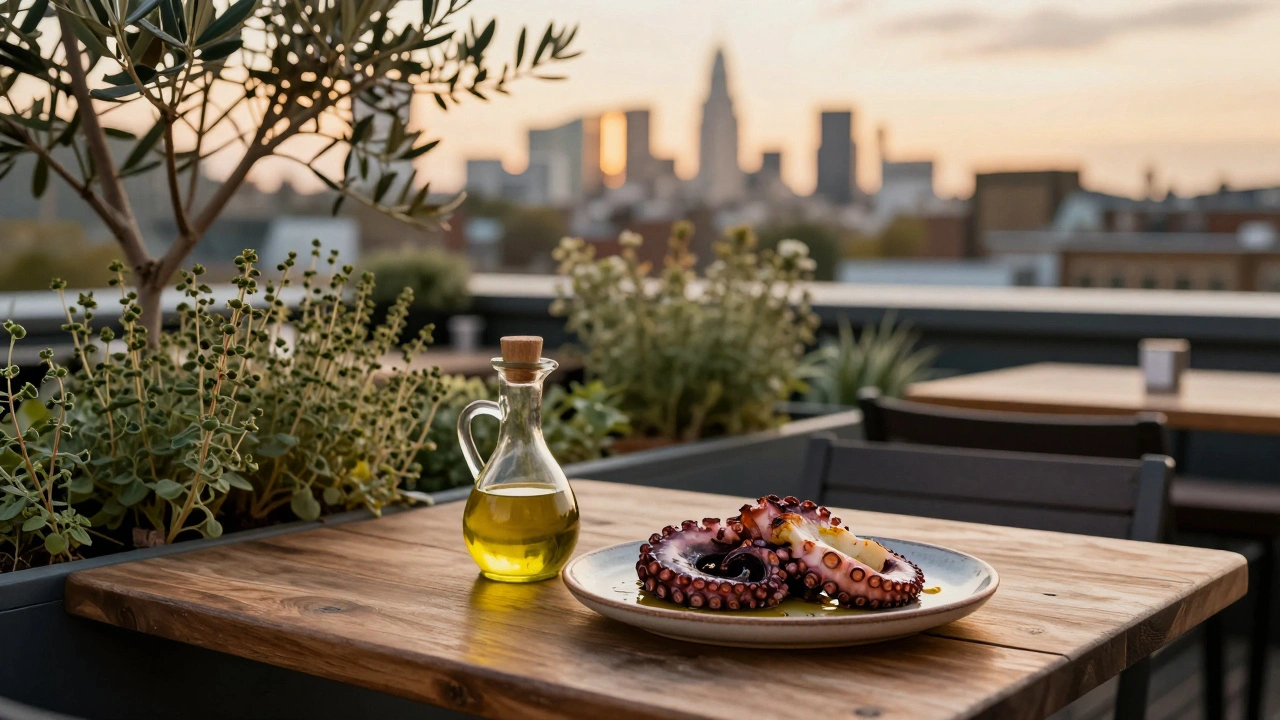
Forget the tourist traps near Covent Garden. The best new spots are tucked into neighborhoods you might not have thought of as food destinations. In Peckham, Thalassa opened in March with a menu built around wild herbs from the Aegean islands. Their oregano isn’t dried - it’s picked at dawn and pressed into olive oil the same day. You’ll taste the difference in their grilled octopus, served with smoked eggplant and a squeeze of bitter orange.
Down in Bermondsey, Marouf brings Levantine street food to life with a wood-fired oven that runs on oak logs. Their lamb kofta is seasoned with sumac, fenugreek, and a touch of rosewater - not sweet, but floral and sharp. Order the flatbread fresh from the oven. It’s still warm, slightly charred at the edges, and perfect for scooping up their house-made labneh.
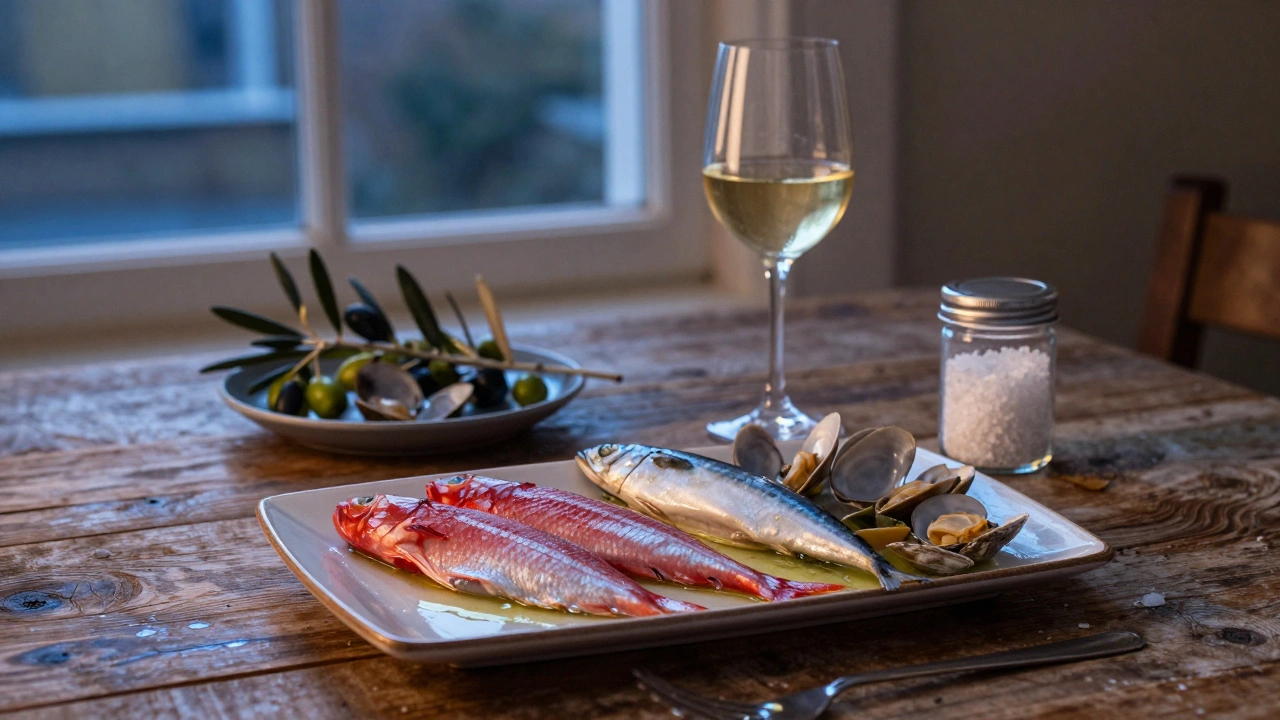
On the north side, Elia in Hampstead leans into Greek coastal cooking. Their seafood meze platter changes daily based on what arrives at Billingsgate Market. In June, it was red mullet, mackerel, and tiny clams cooked in white wine and garlic. The owner, a former fisherman from Mykonos, still calls the market himself every morning.
What makes these restaurants different
Most Mediterranean places in London stick to the same playbook: olives, feta, tzatziki, and a few grilled meats. The new wave doesn’t just serve food - they source it with intention. You’ll find:
- Extra virgin olive oil from small farms in Crete, not bulk-imported blends
- Sea salt harvested by hand from the Aegean, not supermarket table salt
- Herbs grown on rooftop gardens in Peckham and Dalston
- Grains like freekeh and farro imported directly from Syria and Tunisia
At Ornos in Shoreditch, the chef spent six months in the Cyclades learning how to make tsoureki - the sweet bread usually served at Easter - but now serves it year-round with honey from Mount Olympus. It’s not just a dessert. It’s a ritual.

Drinks that match the food
Wine lists here aren’t afterthoughts. Every restaurant pairs drinks with dishes like a sommelier who’s lived on the coast. At Thalassa, they serve Assyrtiko from Santorini - a white wine with minerality that cuts through the oil and salt like sea breeze. At Marouf, they’ve started importing arak from Lebanon, served chilled with a splash of water that turns it milky white. It’s strong, herbal, and meant to be sipped slowly.
And if you’re not into alcohol? Try the pomegranate molasses lemonade at Elia. It’s tart, sweet, and smells like summer in a Greek courtyard. No syrup. No artificial flavors. Just real fruit, sugar, and time.
What to order - and what to skip
At these places, the menu isn’t a buffet of clichés. Here’s what works:
- Start with mezze - small plates that let you taste multiple flavors
- Go for grilled fish or seafood - they’re usually caught the same day
- Try the grain salads - farro with roasted vegetables and mint is a standout
- Save room for baklava made with pistachios from Aleppo, not Turkish walnuts
Avoid anything labeled "Mediterranean pasta" or "Greek pizza." If it’s not from the region, it’s probably a gimmick.
Price range and what you’re paying for
These aren’t cheap eats. Most main courses run between £22 and £38. But you’re not just paying for food. You’re paying for:
- Direct relationships with small producers
- Zero plastic packaging in the kitchen
- Staff who’ve trained in the countries they’re cooking from
- Waste reduction - leftovers become compost or animal feed
At Ornos, even the napkins are made from recycled olive pulp. It’s not marketing. It’s how they’ve always done things.
Reservations and when to go
Most of these spots book up fast. Reserve at least two weeks ahead, especially for Friday and Saturday nights. Lunch is often quieter, and you might get a table by the window. Some, like Elia, only open for dinner on weekdays and do lunch on weekends.
Don’t show up at 7 p.m. sharp. The best tables go to those who arrive between 7:30 and 8:15. The kitchen isn’t rushed then. The staff has time to explain the dishes. And the lighting? Perfect.
Why this matters now
London’s food scene has been stuck in a loop for years - fusion this, global that. The new Mediterranean wave is different. It’s not trying to be trendy. It’s not blending flavors just to impress. It’s honoring traditions that have lasted centuries. These restaurants are run by people who grew up eating this food. They didn’t come to London to open a business. They came to share their table.
That’s why the lines are long. That’s why people are talking. And that’s why, in 2025, these places aren’t just the best new restaurants - they’re the most honest.
Are these restaurants suitable for vegetarians?
Yes, most of them have strong vegetarian options. Places like Thalassa and Ornos focus heavily on vegetables, legumes, and grains. You’ll find dishes like stuffed vine leaves, roasted eggplant with pomegranate, and wheat berry salads with herbs. Just ask for the vegetarian tasting menu - many chefs will customize it.
Do any of these restaurants have outdoor seating?
Several do. Elia has a small terrace in Hampstead with string lights and olive trees. Marouf’s back patio in Bermondsey is heated and open year-round. Thalassa’s rooftop garden in Peckham is the most popular - it’s open from April to October. If outdoor dining matters to you, mention it when booking.
Can I bring a group for a special occasion?
Absolutely. Most of these restaurants welcome groups of 6 or more, but they need advance notice. Some, like Ornos, offer private dining rooms with curated menus. Others, like Marouf, will set up a long communal table for larger parties. It’s best to call directly - email responses are often slow.
Are these restaurants child-friendly?
They’re not designed for kids, but they’re not hostile to them either. You won’t find high chairs or kids’ menus, but many chefs will make simple grilled vegetables or plain flatbread if asked. The atmosphere is relaxed, not formal. If your child can sit quietly for an hour and eat olives, you’ll be fine.
What’s the best time of year to visit?
Late spring to early autumn (May to September) is ideal. That’s when the seafood is at its peak, herbs are fresh, and outdoor seating is open. But winter has its charm too - the indoor spaces are cozy, and the food leans into heartier dishes like slow-cooked lamb and bean stews. If you go in December, ask for the winter meze platter - it’s different from the summer one.
Where to go next
If you’ve tried these spots and still want more, look into the new wave of Mediterranean bakeries opening in Clapham and Islington. Some are selling sourdough made with semolina and sea salt. Others bake koulourakia - buttery Greek cookies - with orange blossom water. And if you’re curious about the wines, check out the pop-up tastings at the London Wine Exchange. They host monthly sessions with importers from Crete and Lebanon.
This isn’t just a trend. It’s a shift. London’s food culture is finally catching up to the depth of Mediterranean cooking - not as a style, but as a way of life.