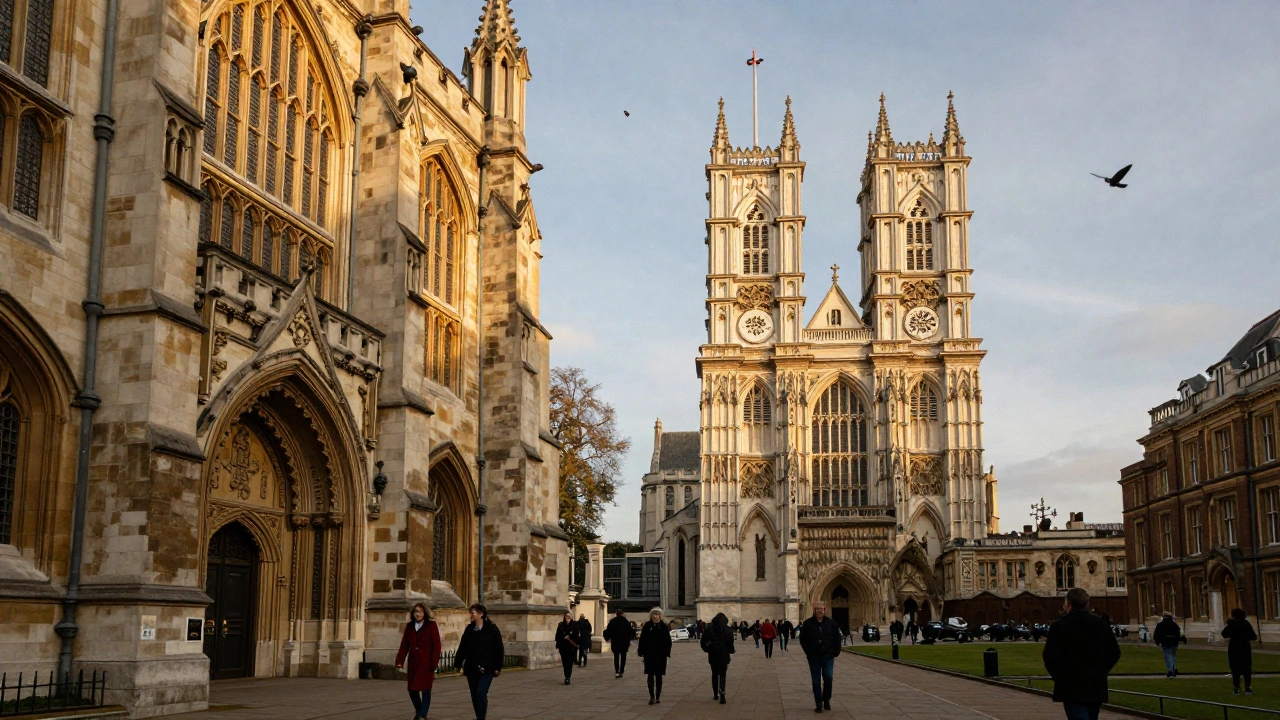
Walk through Westminster and you’re walking through the living spine of British history. It’s not just a place on a map-it’s where laws are made, kings were crowned, and revolutions quietly began. You don’t need a history degree to feel it. The weight of centuries is in the stones under your feet, the chimes of Big Ben echoing over the Thames, and the quiet hum of MPs rushing through the corridors of power.
The Abbey That Held a Nation
Westminster Abbey isn’t just a church. It’s England’s cathedral of memory. Since 1066, every English and British monarch has been crowned here. Henry VII’s chapel, with its fan-vaulted ceiling, looks like a stone lacework frozen in time. Beneath the floor lie kings and queens, poets and scientists-Chaucer, Darwin, Newton, and Dickens. You can stand where Queen Elizabeth II’s funeral procession passed just a few years ago. The air feels different here. Calm. Reverent. Like the building itself remembers every step that came before.
The Abbey’s role isn’t just ceremonial. It’s political too. Royal proclamations are read from its steps. Memorial plaques honor wartime leaders and civil rights pioneers. It’s where the nation pauses to remember-not just in prayer, but in public tribute.
Parliament and the Power Behind the Stones
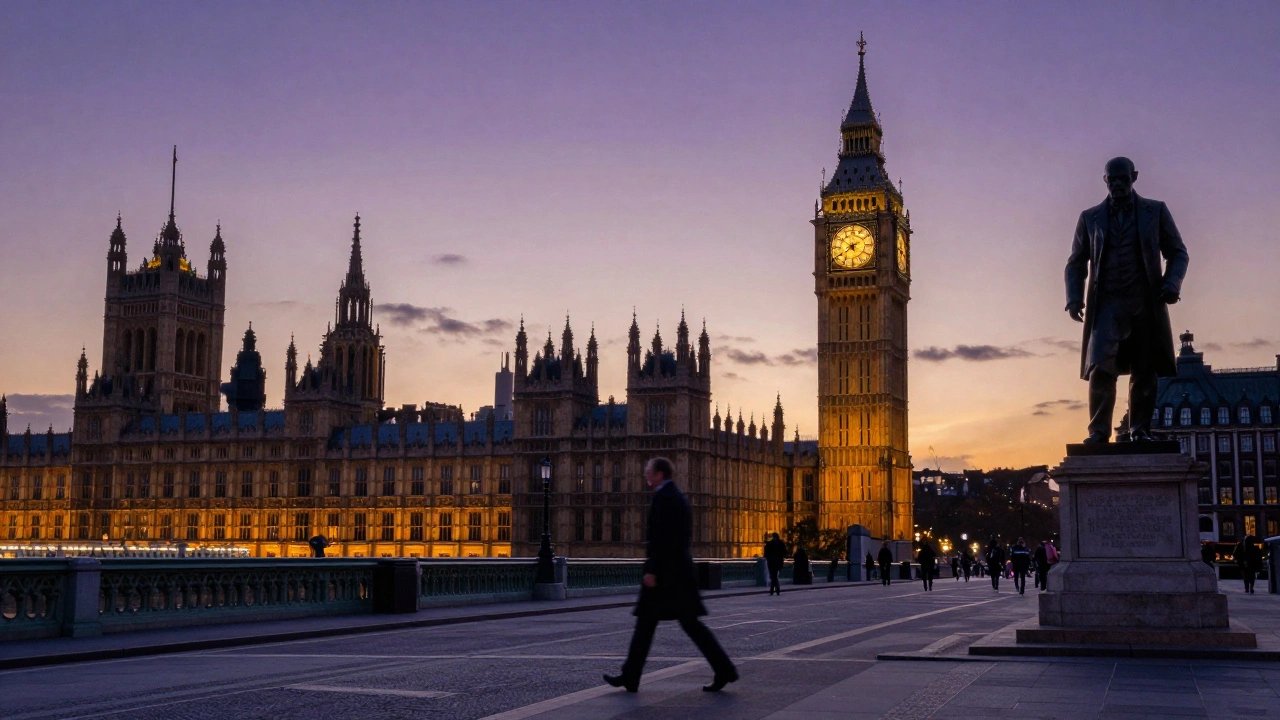
Just across the square, the Palace of Westminster rises like a Gothic dream. This is where the UK’s Parliament sits. The building you see today isn’t the original-it was mostly destroyed by fire in 1834. What you see now is the result of a massive rebuild, completed in 1870, with over 1,100 rooms and 100 staircases. It’s not just grand for show. Every detail has meaning.
The clock tower, commonly called Big Ben, isn’t actually the bell-it’s the 13.5-ton bell inside. The tower itself is officially Elizabeth Tower, renamed in 2012 to mark the Queen’s Diamond Jubilee. The clock is one of the most accurate mechanical clocks in the world, keeping time to within two seconds a week. It’s been silent only a handful of times: during World War II bombings, for maintenance, and during the 2020 pandemic.
Inside, the House of Commons and the House of Lords aren’t just rooms-they’re stages for democracy. The Commons chamber is small, cramped, and deliberately so. The benches face each other, a physical reminder of debate, not consensus. The government sits on one side, the opposition on the other. No one sits in the middle. That’s intentional. It forces confrontation, not comfort.
The Real Heart of British Politics
Westminster isn’t just about buildings. It’s about who moves through them. MPs come here from every corner of the UK, many living in tiny flats above shops or in shared houses nearby. They eat in the same canteens, rush past the same statues, and sometimes bump into each other on the way to a vote.
The Lobby is where the real work happens-not in the chambers, but in the corridors. That’s where journalists corner ministers, where lobbyists wait with briefcases full of proposals, and where backbenchers make deals over coffee. You won’t see it on TV, but most laws are shaped here, in whispered conversations, not speeches.
Even the security is part of the story. The black iron gates outside Parliament aren’t just for show. They’re the same ones that stood during the Gunpowder Plot of 1605, when Guy Fawkes tried to blow up the building. Today, they’re checked daily-not just for bombs, but for people who might try to slip in unnoticed. The system isn’t perfect, but it’s alive. It’s messy. And it’s real.
St. Margaret’s and the Quiet Side of Power
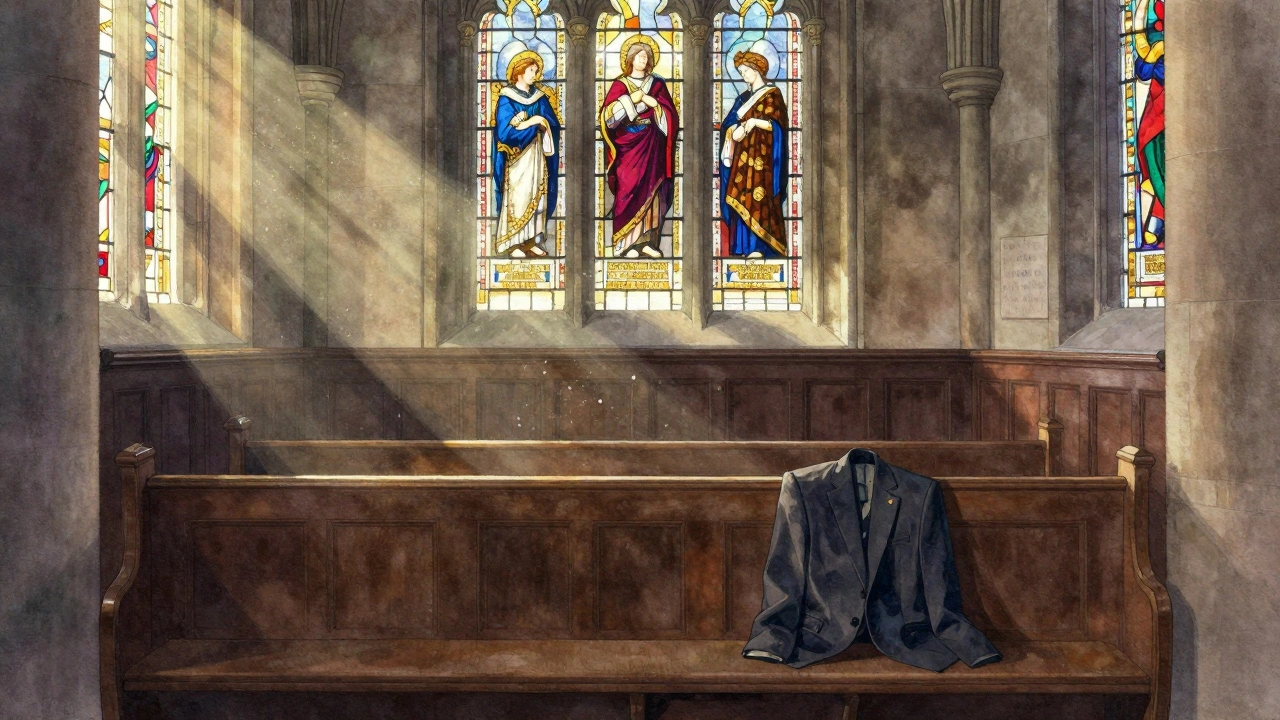
Behind Westminster Abbey, tucked between the palace and the river, is St. Margaret’s Church. It’s the parish church for MPs. Many of them have sat in these pews on Sunday mornings, just like everyone else. The stained glass windows show scenes from the Bible, but also from British history. One window honors the suffragettes. Another remembers those who died in the World Wars.
Unlike the Abbey, St. Margaret’s doesn’t charge for entry. You can sit in the back pew and watch the sunlight move across the floor. It’s quiet here. No crowds. No audio guides. Just the occasional rustle of a politician’s coat as they slip in before a vote. It’s a reminder that even those who shape the nation still need a place to be still.
How Westminster Fits Into London’s Soul
London has many hearts. The City is the financial pulse. Camden is the rebel heartbeat. Shoreditch thrums with creative energy. But Westminster? It’s the soul. It doesn’t shout. It doesn’t need to. It’s the place where decisions are made that ripple across the globe-from trade deals to human rights laws to climate policy.
Visitors often come to see Big Ben and snap a photo. But the real experience comes when you walk the length of Parliament Square, past the statues of Churchill, Lincoln, and Mandela. You see the contrast: the old stone buildings, the modern tourists, the security guards with radios, the protesters holding signs, the pigeons flying over the same ground where centuries of leaders have stood.
It’s not a museum. It’s not a theme park. It’s a working government, a living cathedral, and a public space-all in one. You can stand where a prime minister once walked. You can hear the same bells that rang for the end of World War II. And you can feel, just for a moment, the weight of what’s been built here.
What You Should See, and What You Should Skip
If you’re short on time, here’s what matters:
- Don’t skip the Abbey’s nave and chapter house-these are the oldest surviving parts of medieval Westminster.
- Don’t skip the Houses of Parliament exterior and the view from Westminster Bridge. The best photos are taken at sunset, when the towers glow gold.
- Don’t skip St. Margaret’s Church. It’s free, peaceful, and rarely crowded.
Here’s what you can skip without missing much:
- The guided tour of Parliament’s interior-it’s worth it if you’ve got time, but you’ll see the same chambers on TV anyway.
- Buying souvenirs inside the Abbey gift shop. The same items are sold cheaper on Victoria Street.
- Waiting for the changing of the guard at Westminster. It doesn’t happen here-it’s at Buckingham Palace.
When to Go and How to Avoid the Crowds
Westminster is busy year-round, but timing helps. The quietest times are:
- Early morning (before 9 a.m.) on weekdays-before MPs arrive and tourists flood in.
- Weekdays during parliamentary recess (August, Christmas, Easter)-the buildings are still open, but the buzz is gone.
- Winter afternoons (November to February)-fewer tourists, colder air, but clearer light for photos.
Avoid weekends if you want to move freely. Sunday is the busiest day at the Abbey, and Saturday sees the most tour groups at Parliament.
Use the Westminster Underground station (Jubilee and Circle lines). It’s the closest. Walk east along Bridge Street, past the statue of Winston Churchill, and you’ll be at Parliament Square in five minutes.
Why Westminster Still Matters
Some say democracy is broken. Others say politics is corrupt. But Westminster doesn’t care what you think. It keeps going. The bells still chime. The doors still open. The votes still happen.
It’s not perfect. It’s loud. It’s slow. It’s frustrating. But it’s ours. And that’s why people still come here-not just to see the buildings, but to stand where history is still being written.
Is Westminster open to the public?
Yes, most of Westminster’s key sites are open to the public. Westminster Abbey welcomes visitors daily, though services may restrict access. The Houses of Parliament offer guided tours when Parliament is not in session. St. Margaret’s Church is always free to enter. Check official websites for current opening hours and booking requirements.
Can you see Parliament in session?
Yes, but only if you’re a UK resident or have a pass. The public galleries in both the House of Commons and House of Lords are open during sitting days. You can queue on the day, but space is limited. Alternatively, you can request a pass through your MP. Sessions usually run Monday to Thursday, and sometimes Friday. Check the Parliament website for schedules.
Is Big Ben still working?
Yes. After a four-year restoration completed in 2022, Big Ben’s clock and bell are fully operational. The bell chimes every hour, and the clock face is lit at night. It was silenced only for maintenance and during the 2020 pandemic. It now runs with a new electric motor and digital backup systems, but still uses the original 1859 pendulum.
How long does it take to see Westminster?
You can walk the main highlights-Abbey, Parliament, St. Margaret’s-in about three hours. But if you want to sit quietly in the Abbey, read the plaques, watch the light change over the buildings, or have coffee near the river, plan for half a day. Many visitors spend a full day here, especially if they combine it with a walk along the Thames or a visit to the London Eye.
Are there free things to do in Westminster?
Yes. St. Margaret’s Church is always free. You can walk around Parliament Square and Westminster Abbey’s exterior for free. The view from Westminster Bridge is free and one of the best photo spots in London. You can also watch MPs enter and exit Parliament from the public walkways. Free guided walks are sometimes offered by the City of Westminster-check their website for schedules.
Next Steps: Where to Go After Westminster
After Westminster, head south to the London Eye for panoramic views of the area you just walked. Or cross the river to Tate Britain for British art in a historic building. If you’re hungry, try the pubs along Bridge Street-The Red Lion has been serving ale since 1745. For a quieter end to the day, walk along the Thames Path toward Lambeth Palace. The river never stops moving, and neither does Westminster.