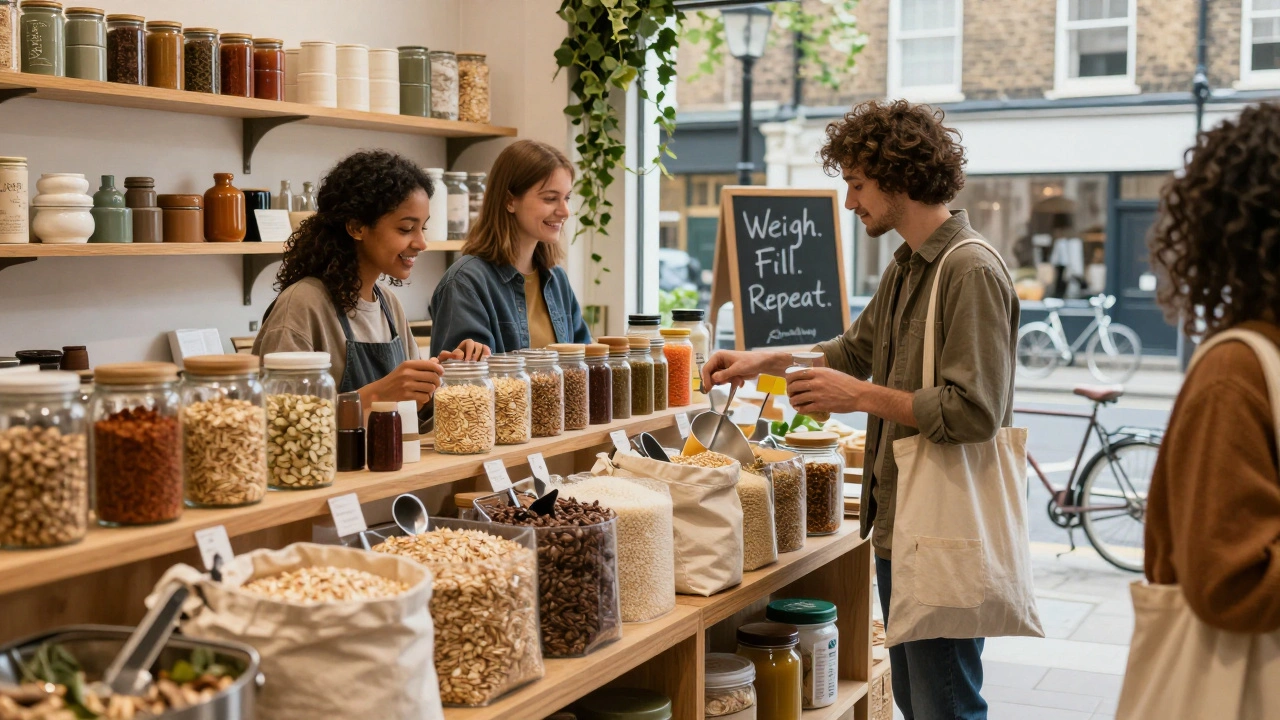
Walking down a London street in 2025, you’re more likely to see someone carrying a cloth bag and a glass jar than a plastic-wrapped snack. The city’s shift toward zero-waste living isn’t just a trend-it’s becoming normal. Grocery aisles are being replaced by bulk bins, checkout counters by weighing scales, and disposable packaging by reusable containers. If you’re wondering where to start your zero-waste shopping journey in London, you’re not alone. Thousands of residents are ditching single-use plastics, and the stores ready for them are thriving.
What Zero-Waste Shopping Actually Means
Zero-waste shopping isn’t about being perfect. It’s about making better choices, one trip at a time. It means bringing your own containers to fill with food, cleaning products, or personal care items-no plastic bags, no blister packs, no unnecessary wrappers. The goal? To send as little as possible to landfill or incineration. In London, this movement isn’t just happening in hip neighborhoods. It’s spreading into suburbs, market squares, and even train station concourses. You don’t need to overhaul your life overnight. Start with one item: maybe your shampoo, or your rice, or your coffee beans. The stores are ready. You just need to know where to go.Top Zero-Waste Stores in London You Can Visit Today
There are over 70 refill and zero-waste shops across Greater London. Here are the ones that consistently stand out for quality, selection, and community impact.- The Refill Shop (Hackney) - This is where Londoners go for staples like oats, pasta, spices, and cleaning concentrates. They stock over 150 bulk items, all priced by weight. Bring your own jar or buy one for £1. Their soap bar selection is unbeatable-locally made, palm-oil free, and scented with lavender or citrus.
- Zero Waste Store (Brixton) - A pioneer since 2018, this shop offers everything from bamboo toothbrushes to reusable menstrual pads. Their refill station for laundry detergent uses a concentrated formula that lasts 6 months per bottle. They also run monthly workshops on composting and mending clothes.
- Earth & Co. (Camberwell) - Focused on personal care, this store sells shampoo bars, deodorant in metal tins, and toothpaste tablets. No plastic tubes. No synthetic fragrances. Their refill system works with a loyalty card-you get a free refill after five visits.
- Plastic Free Pantry (Islington) - This is the go-to for families. They have organic grains, legumes, nuts, and even pet food in bulk. Their honey is sold by the spoonful from a tap. The owner, a former supermarket manager, switched to zero-waste after seeing 12 tons of plastic waste leave one store in a week.
- Fill London (Notting Hill) - The largest refill hub in the city. Over 300 products, from organic wine to hand soap, all refillable. They partner with local breweries and dairies to bring in fresh, seasonal items. Their glass bottle deposit system is simple: return empty bottles for £0.50 credit.
How to Shop Zero-Waste: A Simple Guide
You don’t need a whole new wardrobe of reusable bags to start. Here’s how to begin without stress:- Start with one item - Pick something you use often: coffee, rice, detergent, or toothpaste. Find a store that refills it.
- Bring what you have - Mason jars, old tupperware, cloth bags, even clean paper bags work. No need to buy special containers right away.
- Check the weight - Weigh your empty container before filling it. Most stores have scales near the bulk bins. Write the tare weight on the container with a marker.
- Ask questions - If you’re unsure how a refill station works, just ask. Staff at these stores are usually passionate and happy to help.
- Track your progress - After a month, count how many plastic items you avoided. You might be surprised.
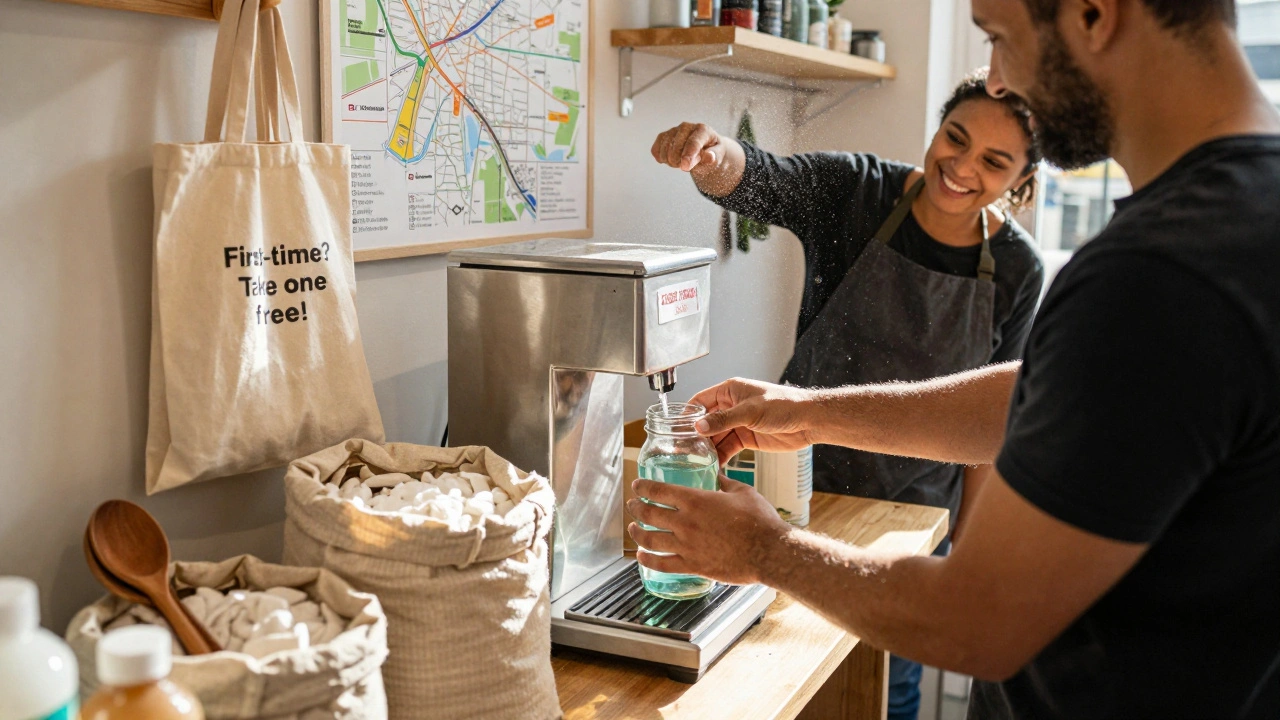
What You’ll Save-Money and Waste
Many assume zero-waste shopping is expensive. It’s not. Buying in bulk cuts out packaging costs, and you only buy what you need. A 1kg bag of organic rice from a supermarket might cost £4.50. At The Refill Shop, it’s £2.90. The same rice in a plastic bag from a discount chain? £3.20-but with 100g of plastic waste attached. And it adds up. A typical London household throws away 18kg of plastic packaging per year. Switching just three items to refill stations can cut that by half. Over five years, that’s 90kg of plastic saved. That’s the weight of a large dog.What’s Missing? And Where the System Still Falls Short
Let’s be honest: zero-waste shopping isn’t perfect. Not every neighborhood has a refill store. Outer boroughs like Barking or Havering still have limited options. Some products-like certain medications or baby formula-still come wrapped in plastic because regulations haven’t caught up. And while refill stations are growing, the supply chain isn’t always green. Some bulk items are shipped in plastic sacks from overseas. That’s why many shops now list where their products come from. Look for local suppliers. Ask if the bulk bin ingredients are sourced within the UK. The biggest hurdle? Convenience. If you’re rushing home after work, grabbing a pre-packaged salad feels easier. But the more you do it, the more normal it becomes. Londoners who’ve been doing this for two years say the same thing: “I don’t even think about plastic anymore.”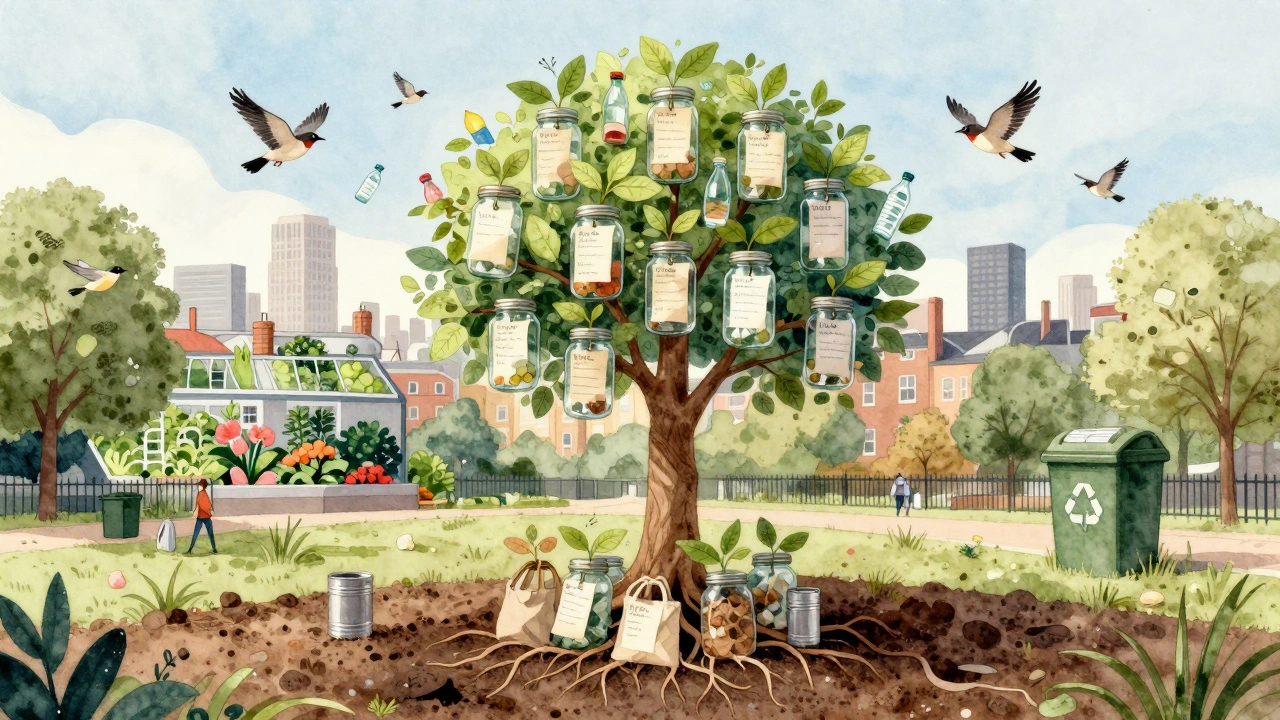
What’s New in 2025
This year, London councils started offering free reusable containers to residents who sign up for zero-waste shopping programs. Over 12,000 jars and cloth bags have been distributed through libraries and community centers. New apps like RefillNow and ZeroWaste Map let you find the nearest refill station in real time. They show which stores accept your own containers, which ones offer delivery, and even which ones have vegan-only sections. A pilot program in Camden now lets you return glass bottles to any participating store-even if you bought them elsewhere. It’s a small change, but it’s making the system more circular.How to Make It Stick
The biggest mistake people make? Trying to do everything at once. You won’t go from plastic-heavy to zero-waste in a week. That’s why the most successful shoppers follow a simple rule: one swap, one month. - January: Switch to bar soap - February: Buy rice in bulk - March: Bring your own coffee cup - April: Try shampoo bars By the end of the year, you’ve replaced 12 common plastic items. That’s a 90% reduction in packaging waste from those products alone. Join a local group. Facebook has active zero-waste communities in every borough. Instagram hashtags like #ZeroWasteLondon and #RefillNotLandfill show real people doing it-no filters, no perfection.Final Thought: It’s Not About Being Perfect
You don’t need to shop at every zero-waste store in London. You don’t need to compost your banana peels or make your own toothpaste. You just need to make one better choice today. That jar you bring to fill with oats? It’s not just a container. It’s a statement. A quiet rebellion against waste. A small act that, when multiplied by thousands, changes how cities work. London’s zero-waste stores aren’t just shops. They’re community hubs. Places where people talk about what matters: clean air, less plastic, better food, and a future that doesn’t cost the earth.Can I really save money shopping zero-waste in London?
Yes, and many people do. Buying in bulk cuts out packaging and marketing costs. For example, organic rice costs £2.90 per kg at refill stores versus £4.50 in supermarkets. The same applies to detergent, oats, and nuts. You pay only for what you use, not for plastic or branding. Over time, this adds up to 20-40% savings on common household items.
Do I need to buy special containers to shop zero-waste?
No. You can use jars, tupperware, cloth bags, or even clean paper bags you already have. Most stores have scales where you can weigh your empty container first (called the tare weight). Then you fill it and pay only for the product inside. If you don’t have anything, many stores sell affordable reusable containers for £1-£3.
Are zero-waste stores only in central London?
No. While areas like Hackney, Brixton, and Islington have the highest concentration, refill shops now exist in outer boroughs too-Croydon, Enfield, Sutton, and Walthamstow. Apps like RefillNow and ZeroWaste Map show locations across Greater London. Some even offer delivery for bulk orders.
What if I forget my containers?
Don’t panic. Most zero-waste stores sell reusable containers on-site-jars, cotton bags, stainless steel tins-for under £5. Some even let you take items home in paper bags or cardboard boxes. The goal is progress, not perfection. One trip without plastic is better than none.
Are zero-waste products more expensive than regular ones?
Not usually. While some organic or artisanal items cost more, bulk staples like rice, lentils, pasta, and soap are often cheaper than packaged versions. The difference comes from eliminating packaging, advertising, and middlemen. Many zero-waste stores also offer loyalty discounts and bulk pricing. You’re paying for quality, not plastic.
Can I refill beauty and cleaning products too?
Absolutely. Stores like Earth & Co. and Fill London offer refills for shampoo, conditioner, hand soap, laundry detergent, and all-purpose cleaners. These are often concentrated formulas-just add water at home. They’re free from microplastics, parabens, and synthetic fragrances. Many are made locally in the UK.
Is zero-waste shopping only for vegans or eco-activists?
No. Zero-waste shopping is for anyone who wants to reduce waste. You don’t need to be vegan, politically active, or into mindfulness. People from all backgrounds-students, parents, retirees, office workers-are doing it. It’s about practical choices: bringing a bag, buying in bulk, avoiding unnecessary packaging. It’s simple, not ideological.