
Choosing the right interior designer in London isn’t about picking the most expensive name or the one with the prettiest Instagram feed. It’s about finding someone who listens, understands your space, and can turn your vision into something real-without breaking the bank or your sanity. Too many people end up with a room that looks like a magazine spread but feels nothing like home. That’s not design. That’s decoration with a price tag.
What You Really Need from an Interior Design Consultation
A good interior design consultation doesn’t start with mood boards or fabric swatches. It starts with a conversation. You should walk in talking about your messy kitchen, your kid’s crayon-covered walls, or how you never use the formal dining room. The designer should walk out knowing you hate clutter, love natural light, and need a spot to park your bike inside because you live in a flat with no storage.
Too many designers push trends-marble countertops, black frames, velvet sofas-without asking if any of it fits your life. A real consultation digs into how you live. Do you cook every night? Do you entertain? Do you have pets that shed? Are you moving in with someone else? These aren’t small details. They’re the foundation of the design.
London has thousands of designers. Some specialize in luxury penthouses in Chelsea. Others work with families in terraced houses in Peckham. You need the latter if you have three kids and a dog that chews everything. Don’t hire someone who only knows how to style a showroom. Hire someone who’s fixed a leaky sink in a 1920s flat and knows how to hide wires behind skirting boards.
How to Spot a Real Designer (Not Just a Decorator)
There’s a difference between a decorator and a designer. A decorator picks colors and cushions. A designer plans layouts, moves walls, installs lighting circuits, and knows building regulations. If your project involves changing door positions, adding underfloor heating, or reconfiguring a bathroom, you need a designer with technical skills-not just a good eye.
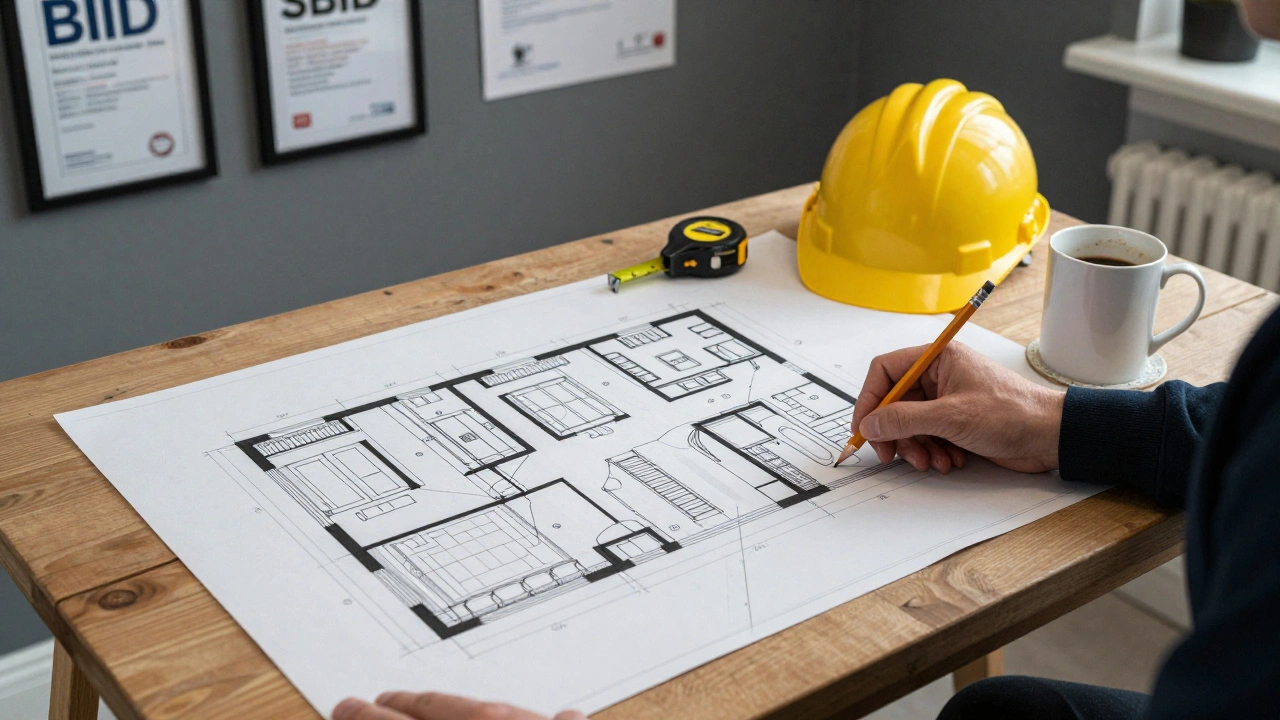
Ask to see full project files. Not just before-and-after photos. Ask for floor plans, electrical layouts, and material specs. If they can’t show you these, they’re likely not handling the technical side. Real designers in London often work with architects and builders. They don’t just shop for rugs-they coordinate tradespeople, order custom cabinetry, and manage timelines.
Check their credentials. Look for membership in the British Institute of Interior Design (BIID) or the Society of British Interior Design (SBID). These aren’t just fancy titles. They mean the designer has passed exams, has insurance, and follows ethical standards. You’re not hiring a freelancer off Fiverr. You’re trusting someone with your home-and possibly your safety.
Where to Look for Designers in London
Don’t just Google “best interior designers London.” That list is full of paid ads and influencers with no real track record. Start with referrals. Talk to your neighbors. Ask your builder. Visit local showrooms like Heal’s or Design Centre Chelsea Harbour. The staff there work with designers daily and know who delivers on time and who doesn’t.
Check out local design studios in areas like Notting Hill, Camden, or Islington. Many smaller studios handle projects under £20,000 and are more flexible than big firms. They often have portfolios on their websites showing real homes-not staged photos. Look for projects that match your home type: Victorian terrace, post-war flat, new build in Zone 3.
Don’t ignore social media entirely-but use it smartly. Search Instagram hashtags like #LondonInteriorDesigner or #LondonHomeRenovation. Look for posts tagged with real addresses (not just “London” or “UK”). If someone posts a photo of a kitchen with a visible window view of a specific street, they’re likely working locally. That’s a good sign.
What to Expect During Your First Meeting
Your first meeting should be free-or at most, a small fee that’s deducted from the final bill. It’s not a sales pitch. It’s a mutual interview. Come prepared with:
- Photos of your space from every angle
- A list of what you love and hate about your current setup
- Images of designs you like (Pinterest is fine, but be specific-why do you like this one?)
- Your budget range (be honest)
- Any deadlines (moving date, child’s birthday party, etc.)
A good designer will ask questions like: “What’s the one thing you’d change if you could?” or “Do you want this room to feel calming or energizing?” They won’t jump to suggesting a $10,000 sofa. They’ll ask about your lighting habits, how you use the space, and whether you prefer warm or cool tones.
If they start talking about “curated collections” or “design philosophy” without asking about your life, walk out. You’re not hiring a poet. You’re hiring someone to solve problems.
Understanding Fees and Payment Structures
Designers in London charge in different ways. Some take a percentage of the total project cost (15-30%). Others charge hourly (£75-£200/hour). Some offer flat fees for consultations or room makeovers (£500-£2,500).
Be clear upfront. Ask: “What’s included in your fee?” Some charge for sourcing, others don’t. Some include 3D renderings, others charge extra. If they’re taking a percentage, make sure they’re not pushing expensive items just to boost their cut. Ask if they get kickbacks from suppliers. Reputable designers don’t. They buy from multiple vendors and pick what’s best for you.
Never pay more than 20% upfront. Payment should be tied to milestones: design approval, order placement, installation. If they ask for 50% before any work starts, that’s a red flag.
Red Flags to Watch Out For
Here’s what not to ignore:
- No portfolio of completed projects
- Refuses to share references
- Uses only stock images, not real client work
- Claims to be “the best” without proof
- Pressure to sign immediately
- Doesn’t have public liability insurance
- Works only with one supplier (they’re probably getting commissions)
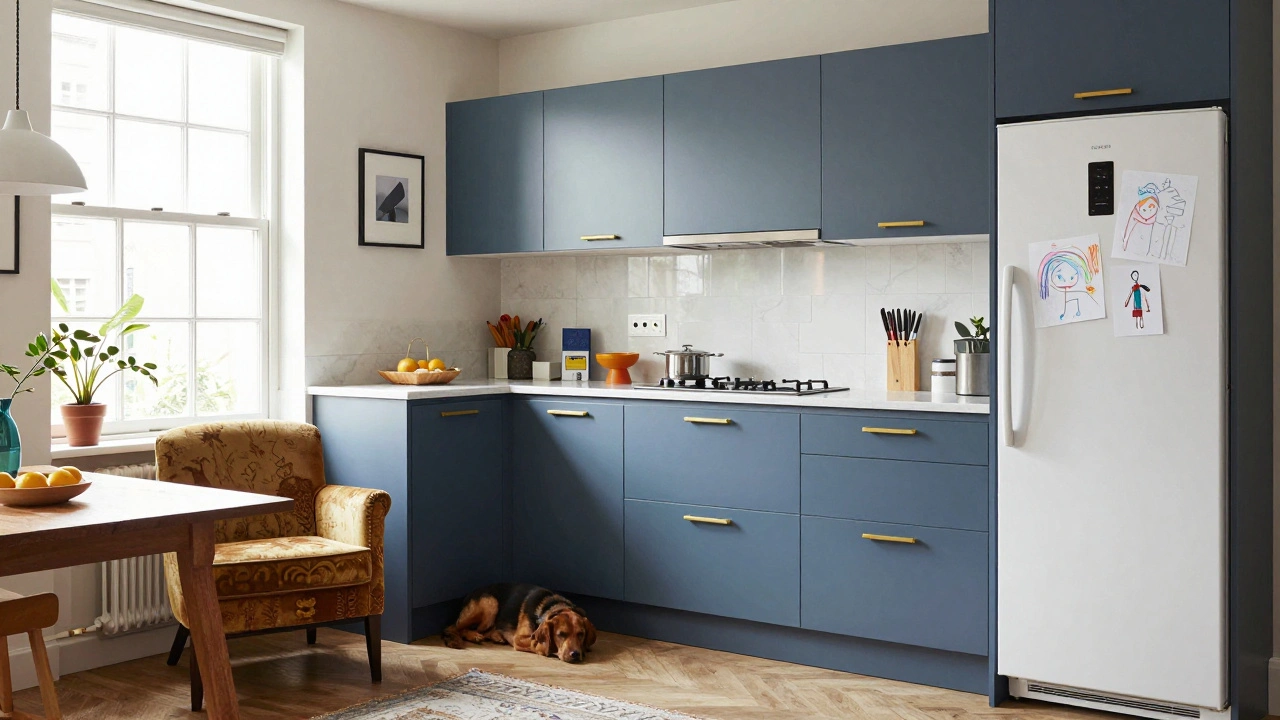
One designer I spoke to in Brixton told a client she needed a £12,000 Italian marble table because “it’s timeless.” The client had two toddlers and a dog. The table was returned three months later, scratched and stained. The designer didn’t ask about the kids. That’s not design. That’s arrogance.
What Good Design Looks Like in a London Home
London homes are small, old, and often dark. The best designers work with those limits, not against them. They use mirrors to bounce light, choose slim-profile furniture for narrow hallways, and install hidden storage in stairs or under window seats. They know that a £200 vintage armchair from a Camden market can look better than a £2,000 designer piece from a showpiece showroom.
Real London design isn’t about luxury. It’s about smart solutions. A designer who knows how to turn a 10-square-meter kitchen into a functional workspace with fold-down counters and magnetic knife strips is worth their weight in gold. They’ll use off-the-shelf cabinets from IKEA and pair them with custom handles and paint to make them look bespoke.
Look for designers who use local makers. A ceramicist in Hackney, a woodworker in Walthamstow, a textile artist in Shoreditch-they add character you won’t find in a catalog. It’s not about being trendy. It’s about being real.
Final Tip: Trust Your Gut
You’ll spend months living with this design. You need to feel comfortable with the person creating it. Do they listen? Do they laugh at your jokes? Do they remember your dog’s name? Do they say “I don’t know” when they’re unsure? Those are the signs of someone who cares.
Don’t pick the cheapest. Don’t pick the flashiest. Pick the one who makes you feel heard. The one who says, “Let’s figure this out together.” That’s the designer who’ll still be your go-to when you want to repaint the hallway next year.
How much does an interior design consultation cost in London?
Consultation fees in London typically range from £50 to £250 for a one-hour session. Some designers offer free initial meetings, especially if they’re looking to build their portfolio. For full design services, fees vary widely: hourly rates are £75-£200, flat fees for a single room are £500-£2,500, and percentage-based fees (15-30% of total project cost) are common for full renovations. Always ask what’s included-some charges cover sourcing, renderings, or site visits.
Should I hire a designer for a small flat?
Yes-especially if you live in a small flat. London flats are often cramped, oddly shaped, or poorly lit. A good designer knows how to maximize space with smart storage, multi-functional furniture, and strategic lighting. They can help you avoid costly mistakes like choosing oversized sofas or blocking natural light. Even a £1,000 consultation can save you thousands in wasted purchases and poor layout choices.
Can I work with a designer remotely?
It’s possible, but not ideal for most London projects. Remote design works best for color schemes, furniture selection, or styling advice. If you’re changing walls, moving plumbing, or installing lighting, you need someone on-site. London’s older buildings have quirks-uneven floors, hidden pipes, non-standard door frames-that can’t be assessed from photos. A local designer knows the area’s building codes and common issues in your type of property.
How long does an interior design project take in London?
A single-room redesign usually takes 8-12 weeks from consultation to completion. Full-home projects can take 4-8 months, depending on scope. Delays are common due to lead times for custom furniture, planning permissions, or tradespeople availability. A good designer will give you a realistic timeline and flag potential bottlenecks early-like ordering a bespoke kitchen that takes 16 weeks to arrive.
Do I need planning permission for interior design work?
Most cosmetic changes-painting, swapping fixtures, installing new flooring-don’t need planning permission. But if you’re removing load-bearing walls, altering windows, converting a loft, or changing the building’s external appearance, you’ll need approval. A qualified designer will know the difference and guide you through the process. They’ll also know which local councils are strict and which are flexible.
What’s the most common mistake people make when hiring a designer?
The biggest mistake is choosing based on style alone. You might love a designer’s Instagram aesthetic, but if they don’t understand your lifestyle, the result won’t work. A minimalist design looks great in a magazine but falls apart if you have kids, pets, or work from home. Always prioritize function over form. Ask: “Will this still feel right in six months?”