
When it comes to women’s health in London, the conversation has shifted from just treating illness to building lasting wellness. More women are walking into clinics not because they’re sick, but because they want to feel stronger, more balanced, and in control of their bodies-especially after pregnancy, during perimenopause, or while managing chronic stress. London now has a growing network of specialized wellness programs designed specifically for women, blending medical expertise with holistic care in ways that actually work.
What Makes Women’s Health Wellness Different?
Women’s health isn’t just a subset of general health. It’s its own ecosystem. Hormonal shifts, reproductive history, mental load, and social pressures all interact in ways that don’t show up on standard blood tests. A woman in her late 30s juggling a demanding job, parenting, and aging parents might not have thyroid issues-but she could be running on cortisol overload. That’s not "burnout." It’s a biological signal that needs tailored support.
Traditional clinics often treat symptoms in isolation: low energy? Take a vitamin. Mood swings? Try antidepressants. But the best wellness programs in London look at the whole picture. They combine hormone testing, nutritional coaching, sleep optimization, pelvic floor therapy, and trauma-informed mental health care-all under one roof.
Top Specialized Programs in London
Several clinics have built reputations by refusing to follow the one-size-fits-all model. Here are a few that stand out:
- The Women’s Wellness Clinic (Chelsea) offers a 12-week Hormone Reset Program. It includes saliva and blood testing for estrogen, progesterone, cortisol, and thyroid markers, paired with personalized meal plans and biweekly coaching. One patient, 42, reported regaining her energy after years of being told "it’s just menopause"-turns out, her cortisol was through the roof from chronic stress.
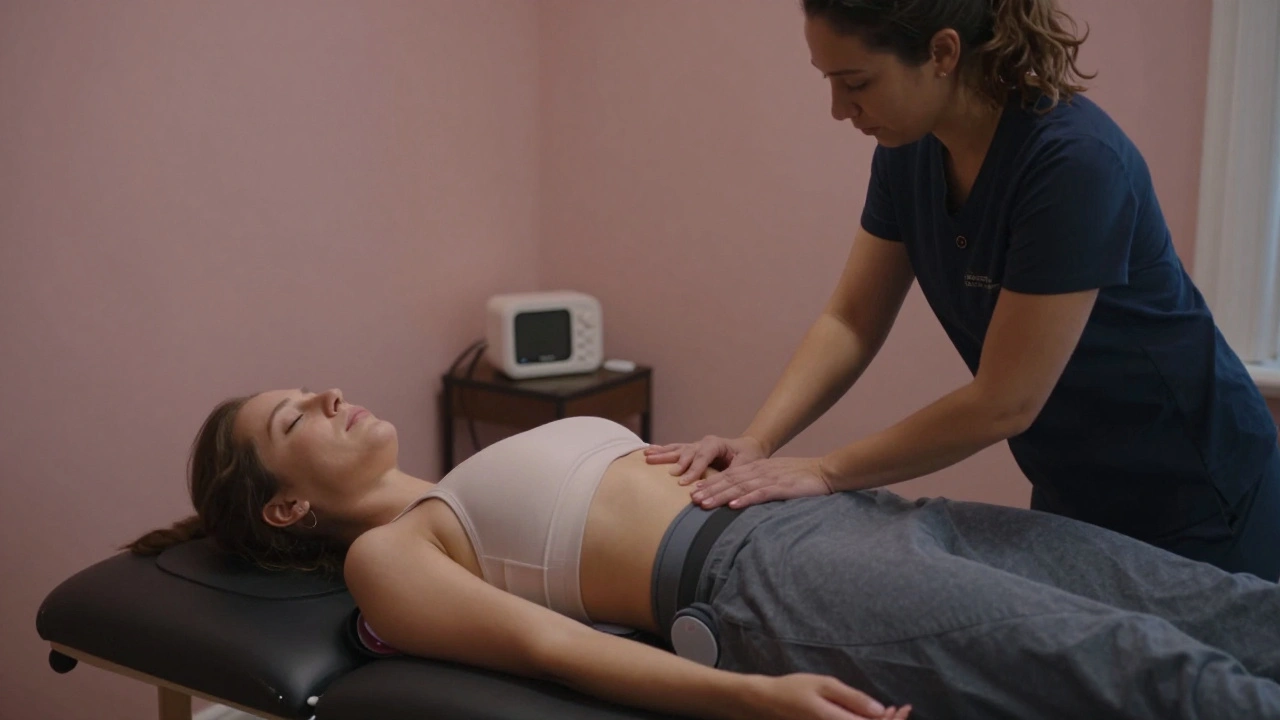
- HerHealth London (Notting Hill) focuses on postpartum recovery and pelvic floor rehabilitation. Their program includes manual therapy, biofeedback training, and postnatal nutrition. Unlike standard NHS referrals, they don’t wait six weeks after birth to start. Many women begin treatment within days.
- Evolve Women’s Health (Camden) integrates functional medicine with mindfulness. Their signature program, "The Calm Cycle," addresses anxiety, sleep disruption, and menstrual irregularities using adaptogenic herbs, light therapy, and breathwork. They track progress with wearable devices that monitor HRV (heart rate variability), a key indicator of nervous system balance.
These aren’t luxury spas. They’re medically grounded, staffed by GPs, endocrinologists, physiotherapists, and nutritionists who specialize in female physiology. Many accept private insurance, and some offer sliding-scale fees.
What You Won’t Find in NHS Waiting Rooms
The NHS does vital work-but its system isn’t built for prevention. Wait times for a gynecologist can be 6-12 weeks. Mental health referrals? Often 3-6 months. And while NHS clinics treat conditions like PCOS or endometriosis, they rarely offer ongoing wellness support after diagnosis.
Private wellness clinics fill that gap. They don’t just diagnose-they create sustainable routines. One clinic in South Kensington tracks clients for two years after their initial program. Why? Because wellness isn’t a one-time fix. It’s a practice. These programs teach women how to read their own bodies: when to rest, when to move, when to push back on societal pressure to "do it all."
Key Services You Should Look For
Not every clinic offering "women’s wellness" is worth your time. Here’s what to ask for:
- Hormone panels beyond TSH and estrogen-include DHEA-S, progesterone, cortisol rhythm, and insulin sensitivity.
- Pelvic floor assessment-even if you haven’t had kids, pelvic tension from sitting all day or chronic stress can cause pain, bladder issues, or low back pain.
- Nutrition tailored to menstrual cycle phases-your body’s needs change between follicular, ovulatory, luteal, and menstrual phases. Most diets ignore this.
- Stress and nervous system regulation-look for programs that include vagus nerve stimulation, breathwork, or somatic therapy.
- Access to female practitioners-many women feel safer discussing intimate health with women providers, especially after trauma or long-term medical gaslighting.
If a clinic offers only yoga, essential oils, and a generic supplement pack, walk away. Real wellness is science-backed, not trendy.
Who Benefits Most?
These programs aren’t just for women with obvious issues. They’re for:
- Women in their 30s-50s feeling "off" but can’t pinpoint why
- Postpartum mothers still struggling with fatigue or mood swings after 12 months
- Perimenopausal women told "it’s all in your head"
- High-achievers with chronic insomnia or digestive issues
- Anyone who’s been told "it’s normal" when they feel anything but
One woman in her early 40s, a marketing director, came in after three years of migraines, weight gain, and panic attacks. Standard doctors blamed stress. The wellness clinic found she had estrogen dominance and adrenal fatigue. Within six weeks of targeted supplementation, sleep hygiene, and cycle-synced nutrition, her migraines dropped by 80%. She didn’t need more pills. She needed better information.

The Hidden Cost of Ignoring Women’s Wellness
When women don’t get proper support, the ripple effects are real. Poor hormonal health leads to higher rates of depression, heart disease, and osteoporosis later in life. Chronic stress weakens immunity. Unaddressed pelvic floor dysfunction leads to incontinence and sexual pain. These aren’t "women’s problems." They’re public health issues.
London’s specialized clinics are proving that prevention works. Women who engage in these programs report not just better physical health-but improved relationships, sharper focus at work, and more confidence in their own bodies.
Getting Started
Don’t wait until you’re at your lowest. Start with a simple step:
- Find a clinic with a free 15-minute consultation. Most offer them.
- Ask what tests they use and why. If they can’t explain, move on.
- Check if they have female practitioners and real patient stories (not just stock photos).
- Look for programs that include follow-ups. Wellness isn’t a one-off.
Some clinics even offer group sessions for women in similar life stages-think new moms, women approaching menopause, or those recovering from illness. Community matters as much as care.
Women’s health isn’t about fixing what’s broken. It’s about helping you thrive-on your own terms, in your own body, in a city that finally understands it’s possible.
Are these women’s wellness clinics covered by the NHS?
Most specialized wellness programs in London are private, so they’re not covered by the NHS. However, some clinics work alongside NHS services-for example, they may accept referrals from your GP or provide reports that your NHS doctor can use to support further treatment. If you’re eligible for NHS care for conditions like PCOS or endometriosis, you can still use private clinics for ongoing wellness support while staying on the NHS for diagnostics or surgery.
How much do these programs cost?
Prices vary widely. A basic hormone panel and consultation can start at £250. Comprehensive 12-week programs typically range from £1,200 to £3,000, depending on testing depth and coaching frequency. Some clinics offer payment plans or discounts for upfront payment. Compare this to the cost of years of untreated symptoms-medication, missed work, therapy, or emergency visits. Many women find the investment pays for itself in improved energy, productivity, and quality of life.
Do I need a referral to visit these clinics?
No, you don’t need a referral. Most clinics accept self-referrals. You can book a consultation directly online. That said, if you’re already seeing a GP or specialist for a related condition (like thyroid issues or depression), bringing them into the conversation can help coordinate care. Some clinics even offer to send summaries to your NHS doctor with your permission.
Are these programs only for women in London?
While the clinics are based in London, many offer virtual options for initial consultations, coaching, and follow-ups. If you live outside London but want to access their services, you can often start remotely and then travel for in-person testing or therapy. Some clinics have satellite partners in Manchester, Bristol, or Brighton for clients who can’t easily commute.
How long until I see results?
Most women notice small changes within 2-4 weeks-better sleep, less bloating, more stable moods. Deeper shifts-like hormone balance or pelvic floor recovery-take 8-12 weeks. The best programs set clear milestones and track progress with data, not just how you "feel." If a clinic promises miracles in a week, they’re not being honest. Real wellness is gradual, sustainable, and personalized.