Student Housing Demand in London
When it comes to student housing demand, the overwhelming need for affordable, safe, and close-to-campus accommodation by university students in London. Also known as university housing demand, it’s not just about finding a room—it’s about surviving a city where rent eats up half your maintenance loan. Every year, over 200,000 students flood into London’s universities, but the number of purpose-built student flats hasn’t grown fast enough. The result? A brutal scramble for space, with many forced into overcrowded shared houses, distant suburbs, or even couch surfing.
This isn’t just a supply problem—it’s a system problem. London student accommodation, the physical spaces designed specifically for students, often managed by private operators or universities. Also known as PBSA, it’s the closest thing to a solution, but even these are booked months in advance and priced beyond what most students can afford. Meanwhile, student rent crisis, the sharp rise in rental prices and shrinking availability that makes finding a decent place nearly impossible for many. Also known as housing affordability crisis for students, it’s pushed some to take on second jobs, drop out of courses, or move to cities like Manchester or Leeds just to stay in education. The city’s planning rules make it hard to build new student blocks. Landlords prefer long-term private lets because they pay more. And universities? Many don’t have enough on-campus beds to house even a third of their students.
What’s surprising is where the pressure is most intense. Areas like Camden, Islington, and Southwark—close to UCL, King’s, and Goldsmiths—are seeing rent hikes of 15% year on year. Meanwhile, students are turning to places like Croydon, Stratford, or even beyond Zone 3, commuting over an hour just to save £300 a month. Some are sharing rooms with three others. Others are living in converted garages or basements with no proper heating. And let’s not forget the rise of illegal sublets—where someone rents a flat, then splits it into tiny rooms and charges each student full price.
The good news? Change is starting. New council policies are pushing developers to include more student units in large housing projects. Some universities are buying old office buildings and turning them into dorms. And apps are popping up that connect students with verified, legal rooms—no scams, no middlemen. But none of this fixes the core issue: there simply aren’t enough homes for the number of people who need them.
Below, you’ll find real stories, real data, and real solutions from people who’ve been through it. From how to spot a scam rental to where the cheapest, safest options are hiding in plain sight. This isn’t theoretical—it’s what’s happening right now, on your doorstep, in your neighborhood, and in the lives of students just like you.
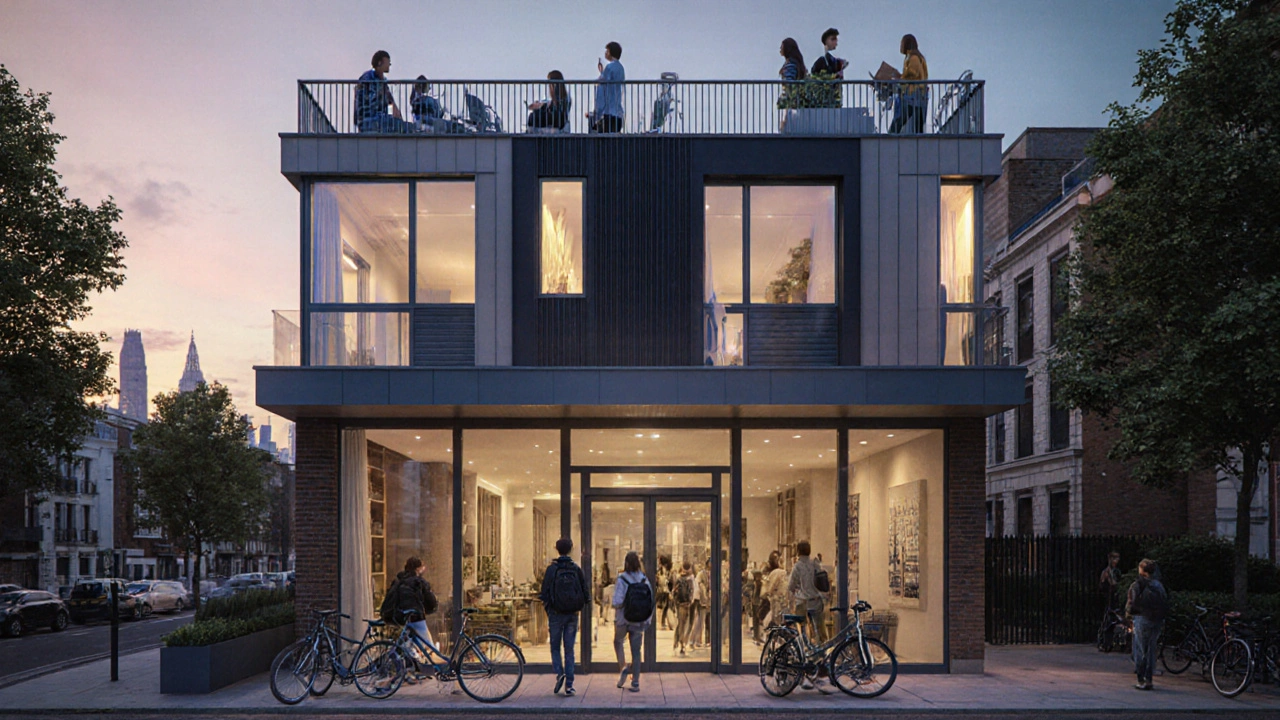
Student Accommodation in London: Investment and Demand
Student accommodation in London offers strong rental yields and steady demand, making it one of the UK's most reliable property investments. With over 400,000 students and a housing shortage, returns consistently outperform other rental markets.
READ MORE