Natural Materials Interior Design: Real Textures for London Homes
When you think of natural materials interior design, the use of unprocessed or minimally processed elements like wood, stone, wool, and clay to create calm, healthy living spaces. Also known as organic interior design, it’s not just about looks—it’s about how your home breathes, feels, and supports your well-being. In London, where apartments are small and air quality matters, choosing materials that don’t off-gas chemicals or trap dust isn’t a trend—it’s a necessity.
Think about reclaimed wood, salvaged timber from old buildings, barns, or factories, repurposed for floors, shelves, or furniture. It’s a staple in London homes because it adds character without new deforestation. You’ll see it in Shoreditch lofts, Hackney renovations, and even in council flat makeovers. Then there’s low-VOC paint, paint with minimal volatile organic compounds that won’t pollute your indoor air. Unlike standard paints that smell strong for days, these are odorless after a few hours and safe for kids and pets. And let’s not forget organic textiles, fabrics like cotton, linen, and wool grown without synthetic pesticides and dyed with natural pigments. They’re what you’ll find on sofas in Notting Hill and curtains in Greenwich—soft, durable, and free from plastic-based synthetics.
Natural materials interior design isn’t about rustic clichés or expensive Scandinavian imports. It’s about smart choices that work in a city where space is tight and time is short. A reclaimed oak table from a Camden salvage yard costs less than a new veneer one and lasts twice as long. A wool rug from a local weaver doesn’t just look warm—it traps less allergen than synthetic pile. Even something as simple as a clay plaster wall regulates humidity, which helps with London’s damp winters and hot summers. These aren’t luxury add-ons—they’re practical upgrades that improve how you live, not just how your home looks.
You’ll find real examples of this in London homes where people are ditching plastic laminate, synthetic carpets, and chemical-laden finishes. They’re turning to local suppliers, vintage finds, and handmade pieces that tell a story. The posts below show you exactly how this is being done—from using recycled brick in kitchen backsplashes to weaving hemp into window treatments. No greenwashing. No overpriced trends. Just real, usable ideas from people who’ve done it themselves in real London spaces.
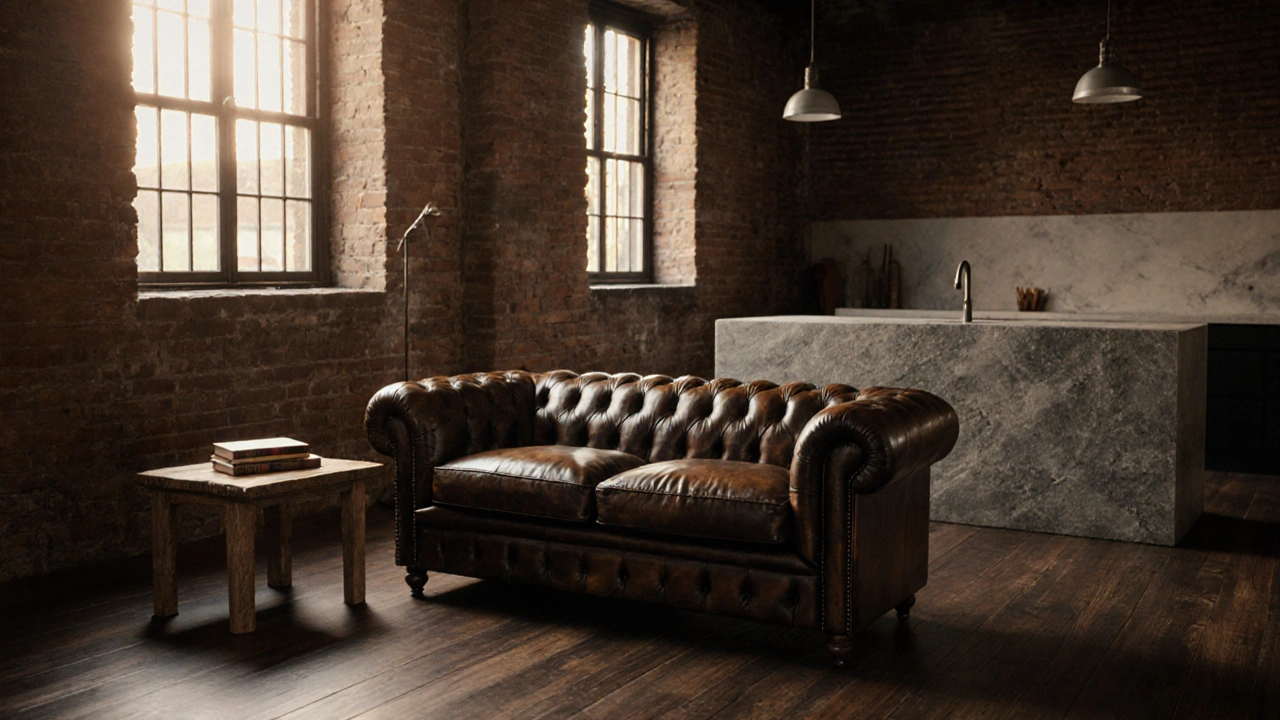
Natural Materials in Interior Design: Leather, Wood, and Stone
Discover why leather, wood, and stone are timeless choices for interior design-how they age, how to care for them, and why they create spaces that feel truly alive.
READ MORE