
More people in London are quietly experimenting with microdosing - taking tiny amounts of psychedelics like psilocybin or LSD - not to get high, but to ease anxiety, lift depression, and sharpen focus. It’s not a fringe trend anymore. Walk through Notting Hill or Shoreditch on a weekday morning, and you’ll hear whispers about it in coffee shops, yoga studios, and co-working spaces. But here’s the catch: in the UK, these substances are still Class A drugs. That means possessing even a fraction of a gram can land you in legal trouble. So how are people doing it? And where can you actually get help if you’re serious about trying it?
What Is Microdosing, Really?
Microdosing means taking 1/10th to 1/20th of a normal psychedelic dose - so small you don’t feel the trip, but might notice subtle shifts in mood, creativity, or mental clarity. A typical microdose of psilocybin is around 0.1 to 0.3 grams of dried mushrooms. For LSD, it’s about 5 to 15 micrograms. People take it every three or four days, often in the morning, and track how they feel in journals.
It’s not magic. It’s not a cure. But for some, it’s a lifeline. A 2023 study from Imperial College London followed 120 adults with treatment-resistant depression who microdosed psilocybin over six weeks. Half reported improved mood and reduced rumination after just four weeks. The effects weren’t dramatic, but they were consistent - and better than placebo. No one reported hallucinations or panic attacks. That’s rare in psychedelic research.
The Legal Gray Zone in the UK
Under the Misuse of Drugs Act 1971, psilocybin and LSD are Schedule 1 drugs. That means they’re classified as having no medical value and a high potential for abuse. Possession is illegal. Supply or distribution? That’s a prison sentence.
But enforcement? That’s where things get messy. Police in London aren’t raiding homes over a few grams of mushrooms. They’re focused on dealers, not individuals. Still, if you’re caught with microdose capsules - even if they’re labeled as "research compounds" - you’re breaking the law. The police don’t care if you’re using it for mental health. The law doesn’t make exceptions.
There’s one loophole: research. Universities and licensed clinics can legally use psychedelics under Home Office licenses. But you can’t walk in off the street and ask for a microdose. You have to be part of a clinical trial. And those are rare, highly selective, and often require a diagnosis of severe depression or PTSD.
Where to Find Legal Support in London
If you’re serious about microdosing for mental health, you have two real options: clinical trials or private clinics operating in legal gray areas.
Clinical Trials: Imperial College London runs the Centre for Psychedelic Research. They’ve conducted trials on psilocybin for depression, OCD, and anorexia. To join, you need a referral from a GP, a confirmed diagnosis, and to pass medical screenings. The waitlist is long - often 12 to 18 months. But if you get in, you get free, supervised doses and therapy sessions. No risk. No legal exposure.
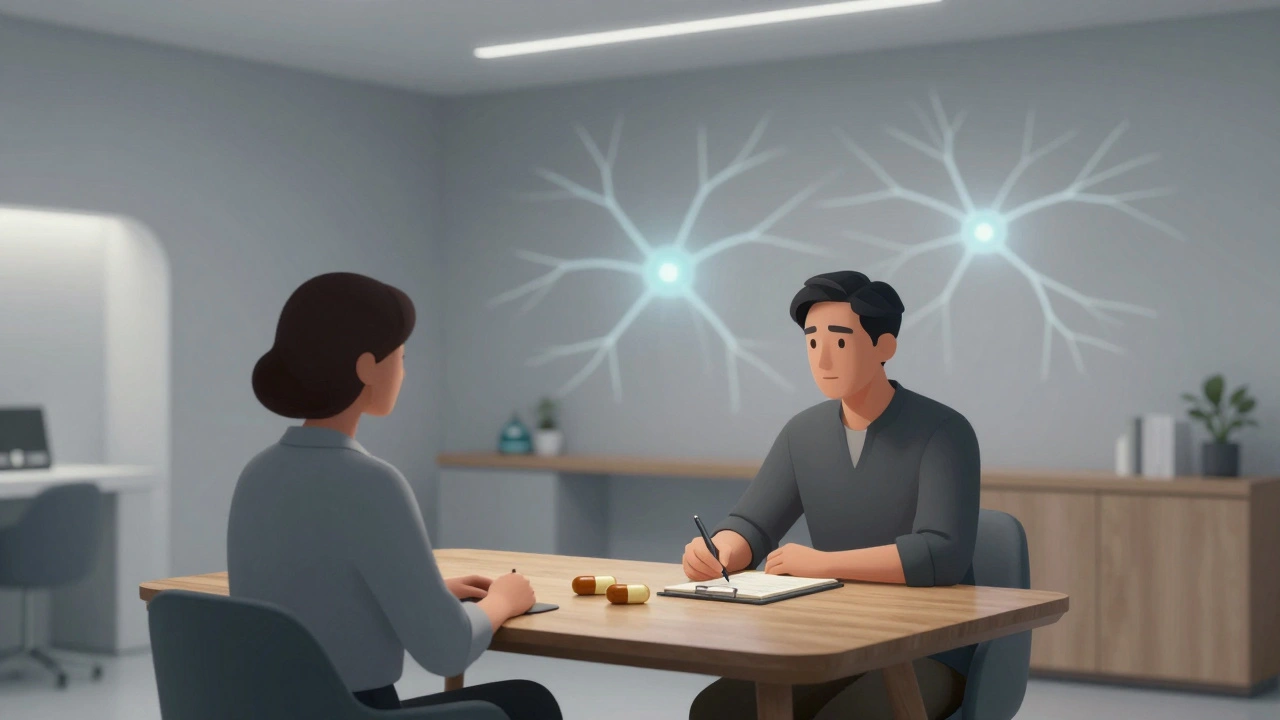
Private Clinics: A few clinics in London now offer "psychedelic-assisted wellness" programs. They don’t call it therapy. They call it "personal development" or "neuroplasticity coaching." They don’t hand you mushrooms. They sell you capsules labeled as "plant-based nootropics" or "research chemicals." The truth? Many contain psilocybin or LSD. They’re operating on a technicality: they don’t claim medical benefit. They say, "This is for self-exploration only."
Some of these clinics are reputable. Others are scams. Look for ones with licensed therapists on staff, clear intake procedures, and no pressure to buy expensive packages. Ask for their safety protocols. Ask if they screen for bipolar disorder or psychosis - psychedelics can trigger episodes in vulnerable people. If they don’t ask, walk away.
Who Shouldn’t Try This
Microdosing isn’t for everyone. If you have a personal or family history of psychosis, schizophrenia, or severe bipolar disorder, you should avoid it entirely. Even tiny doses can destabilize your brain. If you’re on SSRIs or MAOIs, mixing them with psilocybin can cause serotonin syndrome - a dangerous, sometimes fatal reaction.
Also, don’t start if you’re in crisis. Microdosing won’t fix a broken relationship, a layoff, or grief. It might help you feel more grounded while you work through those things - but it’s not a replacement for therapy, medication, or support.
And if you’re doing it because you think it’s trendy? You’ll probably just waste money. The benefits come from consistency, intention, and self-reflection - not from popping a capsule because everyone on Instagram is doing it.
What to Expect If You Start
Most people don’t feel anything on a microdose. That’s normal. The effects are subtle: a slight lift in energy, clearer thinking, less emotional reactivity. Some notice colors seem brighter. Others say they listen better in conversations.
But side effects happen. Headaches. Nausea. Anxiety spikes. Sleep disruption. That’s why most protocols recommend starting with one microdose per week, then waiting to see how your body reacts. Keep a journal. Note your sleep, mood, focus, and any physical symptoms. After four weeks, review it. Did things improve? Or did you just feel more jittery?
One Londoner, a 34-year-old marketing manager, told me she started microdosing after burnout left her unable to get out of bed. She did it for six months - under the guidance of a private coach. She didn’t quit her job. She didn’t stop therapy. But she says, "I finally felt like myself again. Not fixed. Just... more present."
The Future of Psychedelics in the UK
The tide is turning. In 2025, the UK government commissioned a review of psychedelic-assisted therapies. Early findings suggest psilocybin could be reclassified as a Schedule 2 drug - meaning it could be prescribed for depression under strict conditions. That’s still years away. But if it happens, London could become one of the first cities in Europe to offer legal, medically supervised psychedelic treatment.
Until then, the path is unclear. You can wait for the NHS to catch up. You can join a trial. Or you can take the risk and go private. Just know this: if you choose the last option, you’re stepping outside the law. And if something goes wrong, there’s no safety net.
How to Proceed Safely
If you’re considering microdosing for mental health in London, here’s what to do:
- Speak to your GP first. Mention your interest in psychedelics. They might refer you to a research program.
- Search for registered clinical trials at Imperial College London or King’s College. Their websites list current studies.
- If you go private, choose a clinic with licensed therapists, not just "coaches." Ask for credentials.
- Never buy from online vendors. You have no idea what’s in the capsule.
- Start low. One microdose per week. Track everything.
- Don’t stop your current treatment. Microdosing is a complement, not a replacement.
The goal isn’t to escape your mind. It’s to understand it better. And in a city as fast-paced as London, that’s worth more than any trend.
Is microdosing legal in London?
No. Psilocybin and LSD are Class A drugs in the UK. Possession, even in tiny amounts, is illegal. Some clinics operate in a gray area by labeling substances as "research chemicals" or "nootropics," but this doesn’t make them legal. Only licensed clinical trials are fully compliant with UK law.
Can I get microdosing on the NHS?
Not yet. The NHS does not offer microdosing as a treatment. However, Imperial College London and King’s College are running NHS-funded clinical trials for depression and anxiety. Access is limited to participants who meet strict medical criteria and are referred by a GP.
What are the risks of microdosing?
Risks include increased anxiety, headaches, sleep issues, and in rare cases, triggering psychosis in people with a predisposition. Mixing with antidepressants like SSRIs can cause serotonin syndrome. There’s also the legal risk - if caught with the substance, you could face criminal charges. Always screen for mental health history before starting.
How do I know if a London clinic is trustworthy?
Look for clinics staffed by licensed therapists or psychologists, not just "coaches." Ask if they conduct medical screenings, provide integration support, and have clear safety protocols. Avoid places that pressure you to buy expensive packages or promise quick fixes. Reputable clinics will ask about your mental health history before accepting you.
How long does it take to feel effects from microdosing?
Most people don’t feel anything obvious. Subtle changes - like improved focus, reduced emotional reactivity, or better sleep - usually appear after 2 to 4 weeks of consistent dosing (every 3-4 days). It’s not a fast fix. Track your mood daily in a journal to spot patterns.