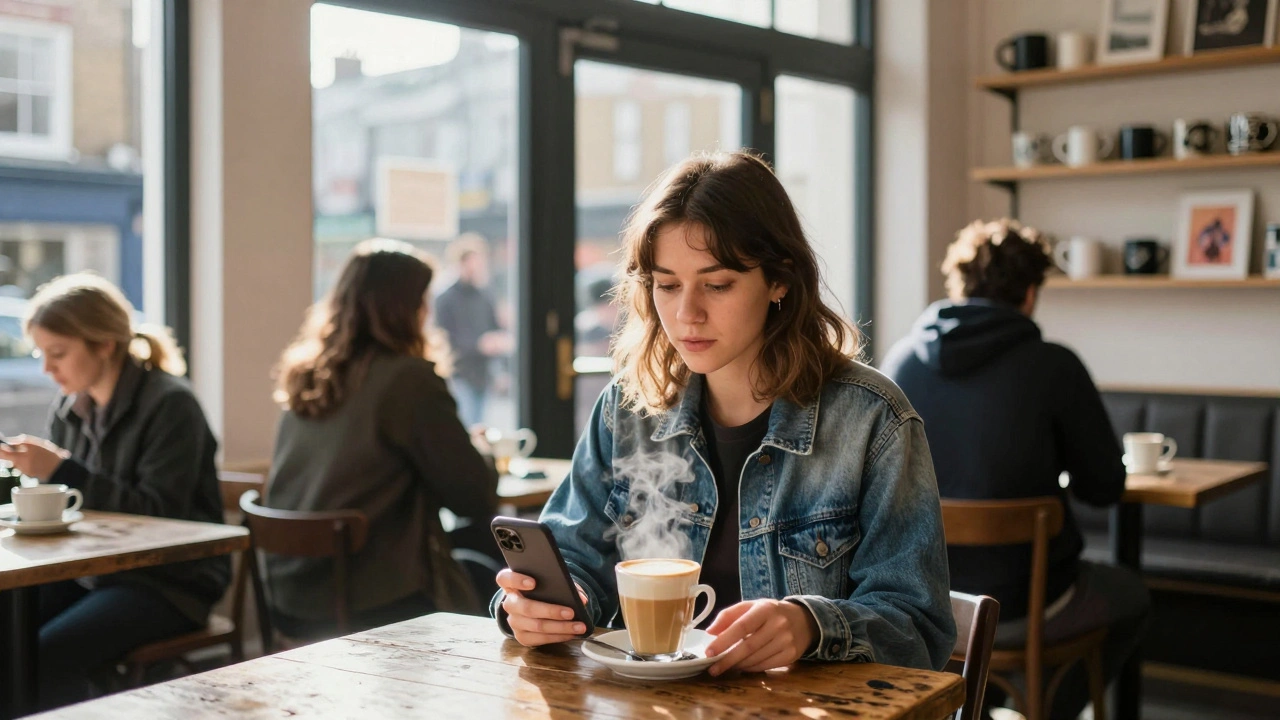
Walk through Shoreditch on a Friday afternoon, and you’ll see them: a woman in a second-hand denim jacket filming a TikTok review of a £3 latte at a hidden café, a guy in a hoodie demonstrating how to fold a £12 scarf at a pop-up market in Camden, a group of friends laughing as they film a 17-second Instagram Reel about the best tube station for people-watching. These aren’t celebrities. They don’t have millions of followers. But they’re the ones Londoners actually trust.
Micro-influencers in London aren’t just a trend-they’re the quiet engine behind local commerce, culture, and community. With follower counts between 1,000 and 50,000, they don’t sell products. They sell authenticity. And in a city as crowded, fast-moving, and saturated with ads as London, that’s worth more than a million likes.
Why London’s Micro-Influencers Are Different
Most cities have influencers. But London’s are shaped by its chaos. The city has 326 distinct neighborhoods, each with its own rhythm, language, and hidden gems. A micro-influencer in Peckham doesn’t talk about the same things as one in Notting Hill. One might specialize in Caribbean street food pop-ups. Another might review vintage bookshops in Hampstead. A third might document the best free public showers after a run along the Thames.
Unlike big-name influencers who post polished, studio-lit content, London’s micro-influencers work with what they’ve got: a phone, a park bench, and a local shop owner who lets them hang out for free coffee in exchange for a shoutout. Their content feels like a text message from a friend who knows the city better than Google Maps.
Take Jamila, a 28-year-old graphic designer from Brixton. She has 18,000 Instagram followers. Her feed isn’t full of sponsored posts. It’s full of real moments: the exact time the market stall in Brixton Village starts serving jerk chicken, the hidden entrance to a free rooftop garden behind a laundrette in Peckham, the £1.20 bus route that gets you from Elephant & Castle to Greenwich without changing. Her engagement rate? 8.7%. That’s three times the average for influencers with 100K+ followers.
How Niche Content Builds Trust
People don’t follow micro-influencers because they want to see perfect lives. They follow them because they want to know where to find the real stuff. In London, that means:
- Where to buy fresh sourdough without standing in line for 45 minutes
- Which independent bookstore has the best coffee and the quietest corner
- Which underground music venue still lets you pay at the door with cash
- Where to get a haircut for £15 from a stylist who’s been cutting hair since 1998
These aren’t just recommendations. They’re local knowledge passed down like a secret handshake. And micro-influencers are the new carriers of that knowledge.
A 2025 study by the London School of Economics found that 68% of Londoners under 35 trusted recommendations from micro-influencers more than ads from big brands. Why? Because micro-influencers don’t have the budget to fake it. They can’t afford paid ads, Photoshop, or PR teams. So they show up, show out, and show the truth.
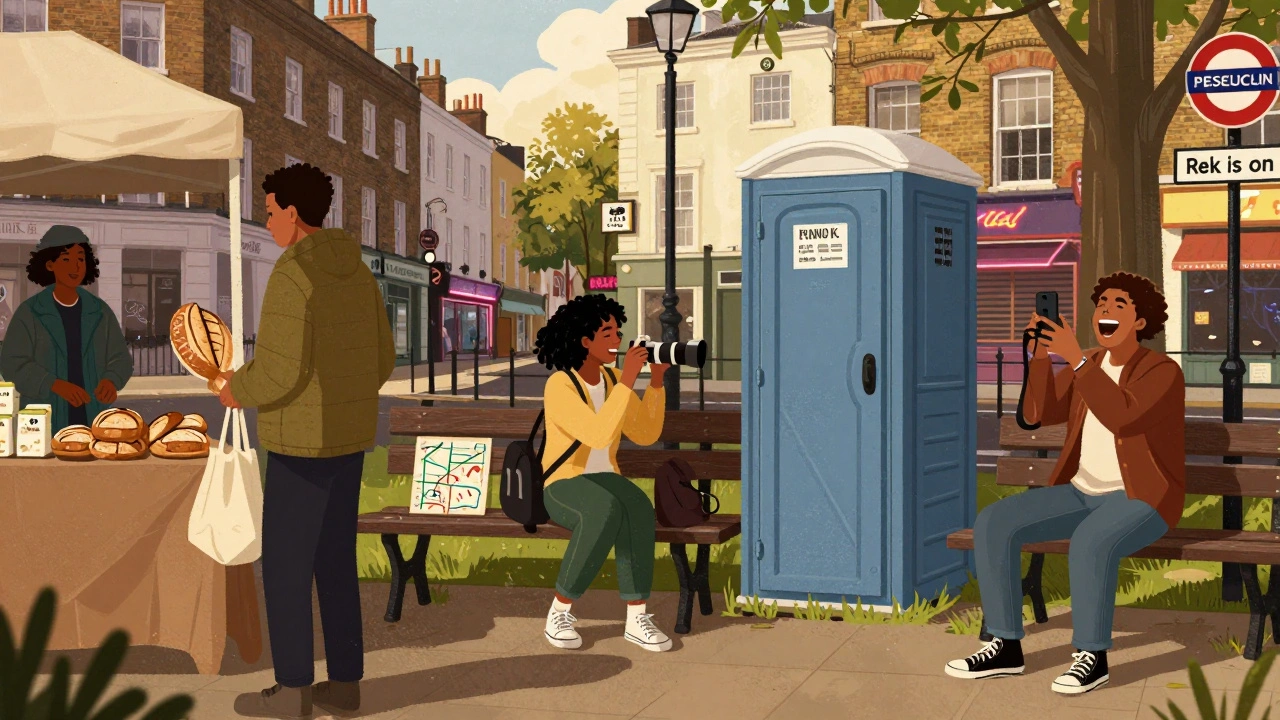
One example: Marcus, a 31-year-old photographer in Hackney, started posting photos of London’s public toilets-yes, public toilets-because he noticed how few were clean or accessible. His Instagram account, @LondonLoos, now has 23,000 followers. He’s not selling anything. He’s documenting. And because of him, three council-run toilets have been renovated. A local charity even hired him to audit 12 more.
The Business Side: What Brands Are Doing Right
Brands that treat micro-influencers like mini-celebrities fail. The ones that get it? They treat them like neighbors.
Take London Coffee Co. a small, independent roastery based in Southwark. Instead of paying a macro-influencer £5,000 for a single post, they gave 12 local micro-influencers free bags of beans and asked them to post honestly: “How do you drink your coffee? What’s your morning ritual?” The results? 1,200 real posts, 47,000 engagements, and a 22% spike in online sales. No staged photos. No scripts. Just people showing up with their mugs.
Another brand, Wear Local a sustainable fashion label that partners with London-based textile artists, doesn’t send products. They send invites. “Come to our pop-up. Bring your friends. Take photos if you want. Don’t feel pressured.” That approach led to 300+ organic posts in two weeks. One influencer, a 19-year-old student from Croydon, posted a video of herself trying on a dress she bought for £25, then walking to her part-time job at a library. She didn’t mention the brand. But 12,000 people saw it-and 400 of them bought the same dress.
The Hidden Rules of London Micro-Influencing
If you think being a micro-influencer is easy, think again. It’s a part-time job with no salary. Here’s what actually works in London:
- Don’t chase trends. Chase neighborhood rhythms. If you’re in Brixton, post about the weekend market. If you’re in Islington, post about the quietest pub garden. Consistency beats virality.
- Be specific. “Best coffee in London” is useless. “The Ethiopian pour-over at the back of the newsagent on Coldharbour Lane” is gold.
- Engage like a human. Reply to comments. Ask questions. Share stories. People follow people, not profiles.
- Don’t sell. Show. A 15-second video of you struggling to open a jar of jam at a local deli? That’s more valuable than a 30-second ad.
- Collaborate locally. Team up with other micro-influencers. A foodie + a photographer + a history buff in Camden? That’s a mini-documentary waiting to happen.
And here’s the kicker: most of these influencers don’t even call themselves influencers. They just call themselves Londoners who like sharing what they know.
What Happens When You Stop Chasing Numbers
Here’s the truth no one talks about: micro-influencers in London aren’t trying to go viral. They’re trying to be useful.
One influencer, Aisha, runs a TikTok series called “The Tube Stops I Love.” She films herself getting off at obscure stations-like North Wembley, or North Greenwich-and tells the story of the place. One video, about the abandoned ticket booth at Highbury & Islington, got 1.2 million views. Why? Because it wasn’t about the station. It was about memory. About how places hold stories.
That’s the power of niche content. It doesn’t need to reach everyone. It just needs to reach the right people. And in a city of 9 million, that’s enough.
London’s micro-influencers aren’t the future of marketing. They’re the present of community. And in a world that feels increasingly disconnected, that’s the most valuable thing of all.