Quick Guide to the Area
- Best for: Architecture walks, high-end shopping, and diverse dining.
- Key Highlight: The stunning architecture of Coal Drops Yard.
- Vibe: Professional by day, trendy and social by night.
- Top Tip: Visit the canal-side paths for a quieter escape from the station crowds.
The Magic of Coal Drops Yard
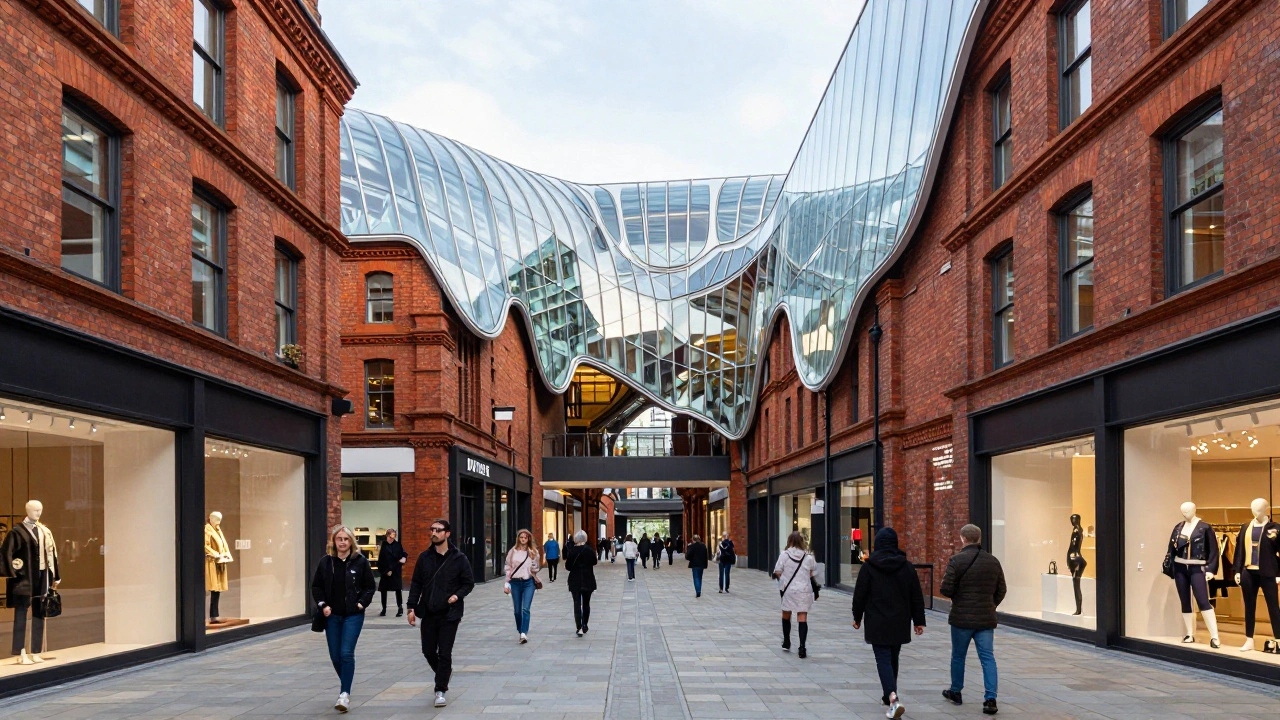
If you want to see the heart of the regeneration, head straight to Coal Drops Yard. This isn't your typical shopping mall. It's a repurposed industrial site where coal was once unloaded from trains into huge drops. The magic happened when architects decided to keep the original brickwork but added a stunning, undulating glass roof that connects two parallel streets. It looks like a giant piece of melted sculpture floating above the shops.
Walking through here feels different because the scale is human. You've got independent boutiques sitting right next to global brands. Instead of the frantic pace of Oxford Street, people actually linger here. You'll see office workers from the nearby tech hubs grabbing a coffee and tourists photographing the juxtaposition of the heavy iron girders against the sleek, modern glass. It's a masterclass in how to keep a city's history alive while making it functional for the 21st century.
Where to Eat: A Dining District
The food scene here has exploded. Because the area attracts a global workforce, the dining options are incredibly varied. You aren't just getting generic chain restaurants; you're getting curated experiences. Whether you're looking for a quick lunch or a three-course dinner to impress a date, the King's Cross guide to eating starts with the mix of indoor and outdoor spaces.
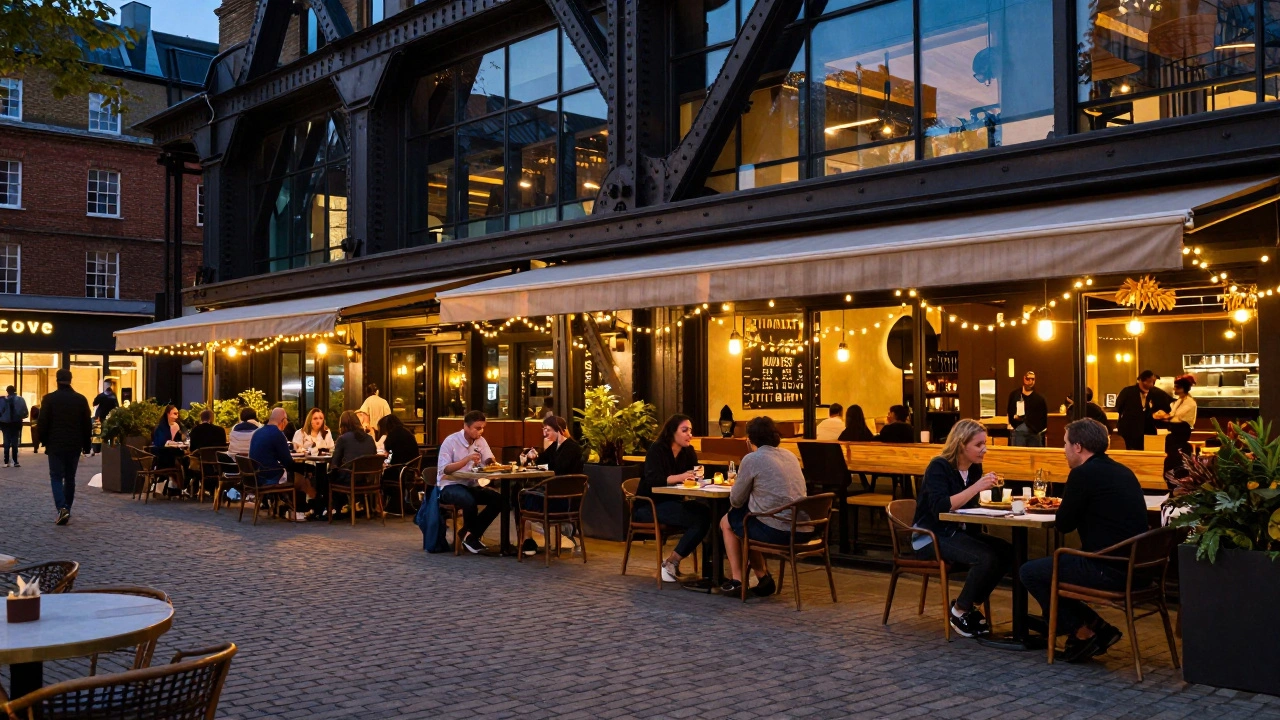
One of the coolest things about the dining here is the integration with the environment. Many restaurants spill out onto the cobblestones, creating a European plaza feel. You'll find everything from high-end tapas and artisan bakeries to hidden gems tucked away in the smaller alleys. The variety is staggering-you can move from a traditional British pub experience to a cutting-edge Asian fusion spot in under five minutes of walking.
| Style | Best For | Vibe |
|---|---|---|
| Fine Dining | Special Occasions | Sophisticated & Sleek |
| Street Food / Markets | Quick Lunches | Bustling & Casual |
| Artisan Cafes | Remote Work / Coffee | Quiet & Cozy |
| Gastropubs | After-work Drinks | Traditional & Social |
Understanding the Urban Regeneration
It's easy to take the polish for granted, but the shift here was massive. For decades, this part of London was avoided. The Urban Regeneration project wasn't just about painting a few walls; it was a total rethink of the land. They took old warehouses, gas holders, and railway sidings and turned them into apartments, offices, and public squares. The key was creating a "permeable" neighborhood-meaning it's easy to walk through and explore without feeling like you're in a gated community.
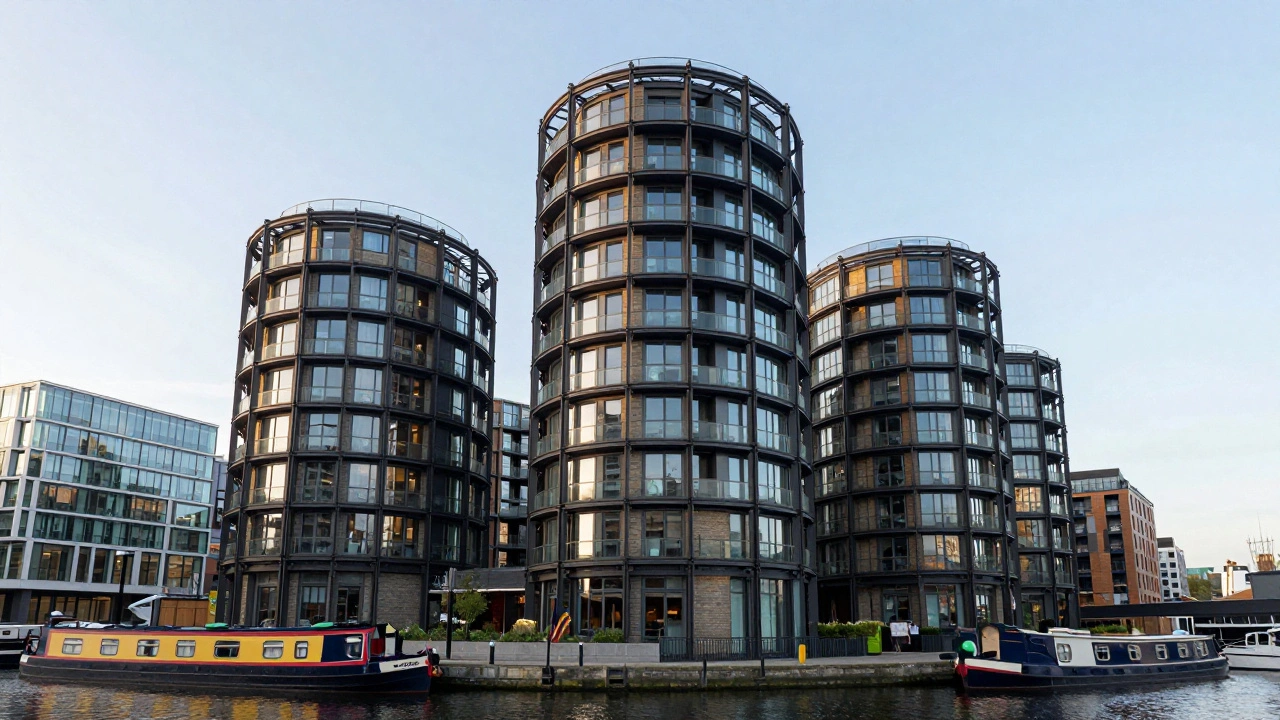
One of the most impressive feats is the reuse of the Gasholders. Those massive circular iron frames that used to hold city gas have been converted into stunning circular apartments. It's a bold architectural move that prevents the area from looking like every other new development in the world. By keeping these landmarks, the developers ensured the neighborhood retained its identity.
Exploring the Cultural Layers
Beyond the shops and food, there's a deeper cultural layer to explore. The area is now a hub for knowledge and creativity. You've got the British Library, which is essentially a city of books, containing everything from the Magna Carta to Leonardo da Vinci's notebooks. It's a quiet sanctuary just steps away from the chaos of the station.
Then there's the canal. The Regent's Canal provides a green artery that cuts through the urban sprawl. Walking along the towpath allows you to see the transition from the industrial past to the residential present. You'll see houseboats moored alongside million-pound glass apartments, a perfect metaphor for the eclectic nature of London itself.
Practical Tips for Your Visit
If you're planning a day here, don't just stick to the main drag. The best parts of the district are found when you wander. Start your morning at the British Library, then wander over to the canal for a walk. This clears your head before you hit the sensory overload of Coal Drops Yard. If you're visiting during the winter, the area is heavily decorated, and the outdoor heating in the dining courtyards makes it a great spot for a festive drink.
One pitfall to avoid is spending too much time inside the actual King's Cross Station. While the station itself is an architectural marvel with its huge white arched roof, the real soul of the neighborhood lies outside the ticket barriers. The transition from the transport hub to the leisure district is seamless, but once you're out, stay out until you're actually ready to leave the city.
Is Coal Drops Yard free to enter?
Yes, it's a public shopping and dining district. You don't need a ticket or a reservation to walk through the yards and admire the architecture and window displays.
What is the best way to get to King's Cross?
The easiest way is via the London Underground. The King's Cross St. Pancras station is served by six different lines (Victoria, Northern, Piccadilly, Circle, Hammersmith & City, and Metropolitan), making it one of the most accessible spots in the city.
Are there any hidden gems in the area?
Beyond the main yards, check out the smaller alleys and the canal-side paths. There are often small pop-up galleries and independent coffee shops that aren't as crowded as the main attractions.
Is the area family-friendly?
Absolutely. The wide pedestrian walkways make it easy for strollers, and the British Library has great resources for kids. The open spaces in Coal Drops Yard are also safe and welcoming for families.
What makes the regeneration here different from other areas?
The focus on "adaptive reuse." Instead of knocking everything down and building skyscrapers, they kept the industrial skeletons-like the gasholders and the coal drops-and integrated them into modern designs.
Next Steps for Your Exploration
Once you've mastered King's Cross, I'd suggest heading north along the canal toward Camden Market for a more chaotic, bohemian experience. Or, if you prefer something more refined, take a short trip over to the Bloomsbury area to explore its literary history and museums. The beauty of this part of London is that it serves as a gateway; once you've seen how the city can transform a wasteland into a wonderland, you'll want to see where else that's happened.