Every February, London comes alive with a powerful blend of rhythm, color, and story during Black History Month. It’s not just a time for reflection - it’s a celebration rooted in resilience, creativity, and community. Across the city, from South London to the heart of the West End, festivals turn public squares, galleries, and music halls into spaces where Black British history isn’t just remembered - it’s felt.
Where the Beats Come Alive
Music has always been the heartbeat of Black British culture. In London, that pulse is loudest during Black History Month. The Notting Hill Carnival may get the most attention, but it’s the quieter, equally powerful events that carry the deeper roots. The Black History Month Music Festival at the Southbank Centre features live performances from jazz legends, afrobeats innovators, and spoken word poets who trace their lineage back to Windrush and beyond.
At the London Black Music Archive event at the Horniman Museum, you’ll hear recordings from the 1970s - rare vinyls of Caribbean sound systems, underground reggae sessions, and early UK hip-hop crews who never made it to radio but kept the culture alive in basements and community centers. These aren’t nostalgia acts. They’re living history. One attendee told me, “My dad played these tapes in our kitchen. Now I’m seeing the same songs on a stage. It’s like he’s here.”
Art That Tells the Untold
Visual art during Black History Month in London doesn’t just hang on walls - it demands to be seen. The Black Artists’ Collective at the Museum of London Docklands runs a year-round exhibition, but February is when it explodes. New pieces debut: large-scale portraits of forgotten activists, murals of Windrush arrivals reimagined as modern-day commuters, and interactive installations where visitors can record their own family stories.
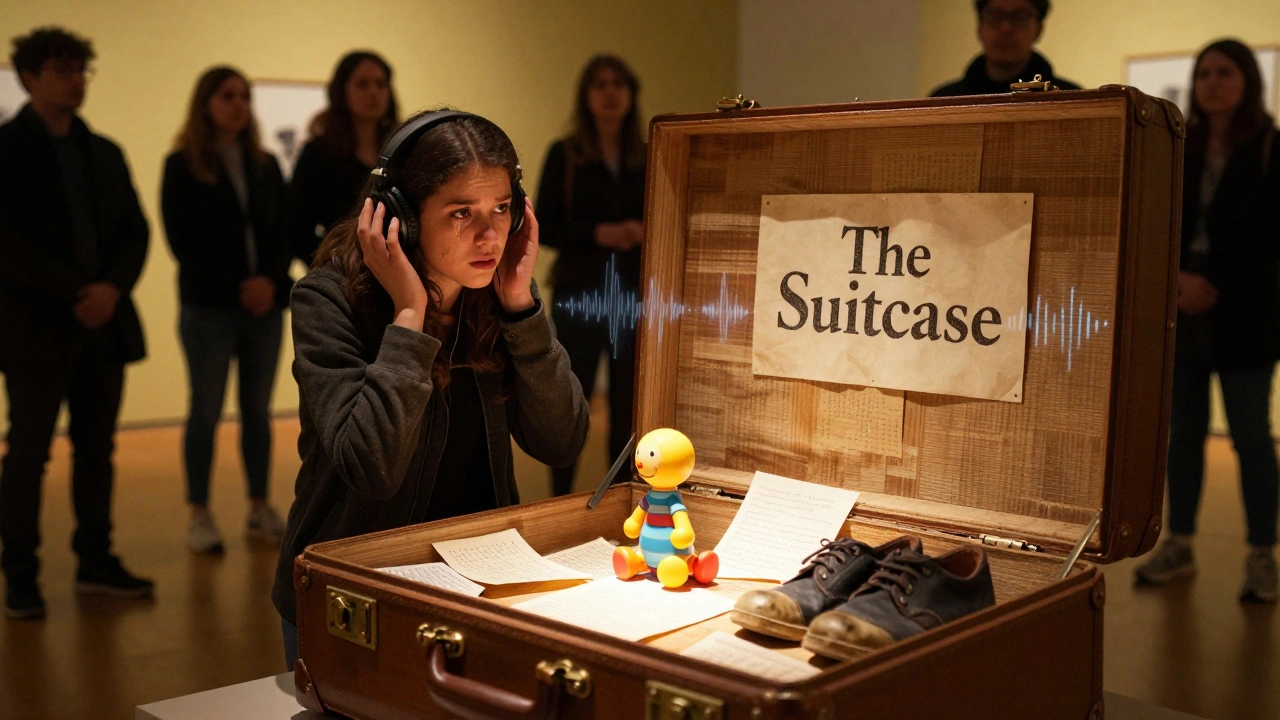
One standout piece from 2025 was “The Suitcase” by artist Jada Oke. It’s a life-sized wooden suitcase filled with handwritten letters, a child’s toy, and a pair of worn shoes - all belonging to a woman who arrived in London in 1954. Visitors could scan a QR code and hear her voice, recorded just months before she passed. The piece drew over 12,000 visitors in three weeks. No ticket needed. Just presence.
Festivals You Can’t Miss
Here are the five events that define Black History Month in London each year:
- Black History Month Opening Gala - Held at the Royal Albert Hall. Features orchestral arrangements of African spirituals, soulful choirs, and live poetry from young writers across boroughs like Brixton and Peckham.
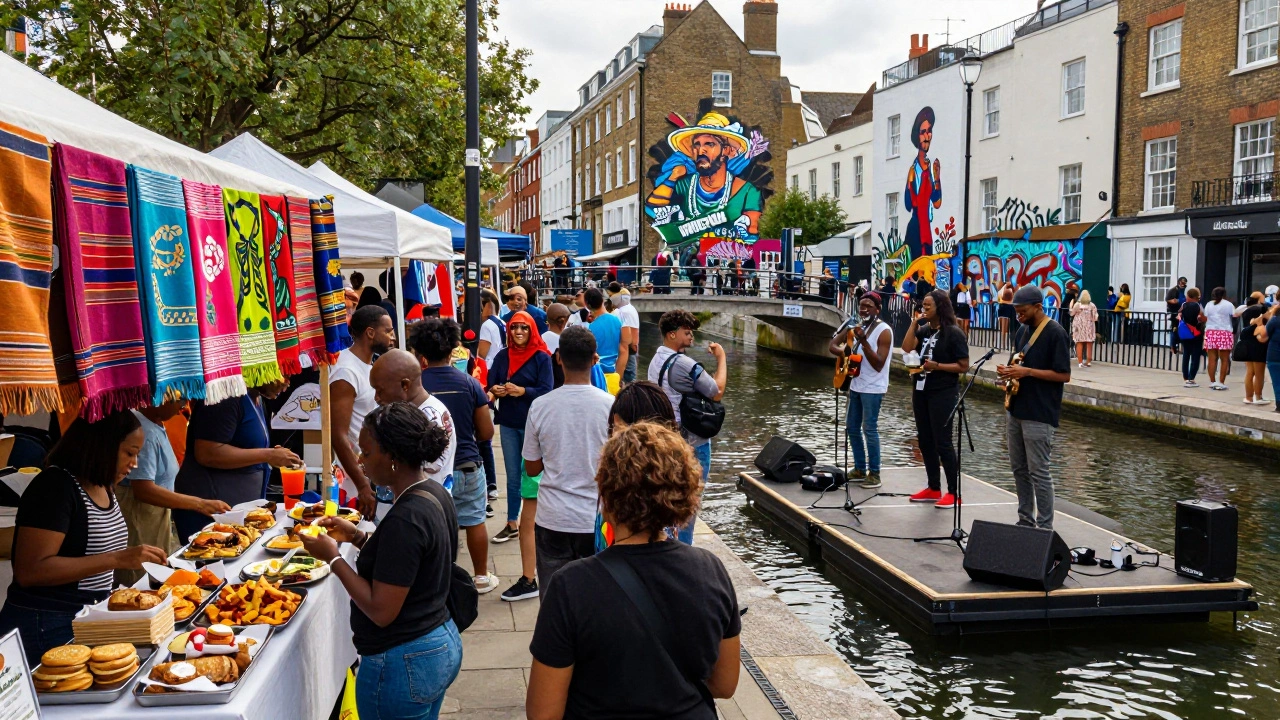
- Heritage Street Fair - Every Saturday in February in Brixton Market. Over 80 stalls sell handmade textiles, African-inspired jewelry, and Caribbean street food. Local musicians perform on floating stages built over the canal.
- Black Film & Digital Art Showcase - Hosted at the BFI Southbank. Screens short films made by Black British filmmakers under 30. Many of these films have gone on to win international awards.
- Community Story Circles - Free, open-to-all gatherings in libraries and community centers. Elders share oral histories while younger attendees record them on tablets. Over 3,000 stories were collected in 2025 alone.
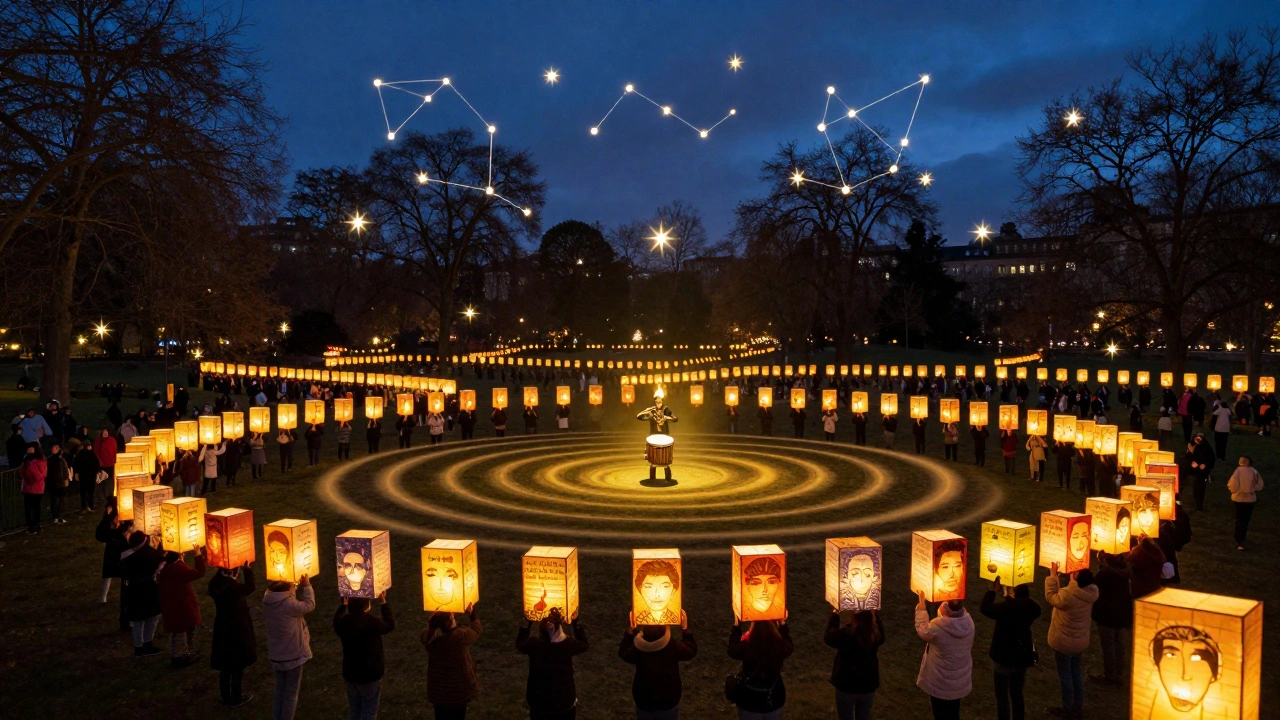
- Final Night: A Night of Light - A lantern parade through Hyde Park. Thousands carry hand-painted lanterns shaped like books, musical notes, and ancestors’ faces. It ends with a silent moment of remembrance, followed by a single drumbeat echoing across the park.
Why These Festivals Matter Now
These events aren’t just cultural. They’re political. In a time when Black British history is being debated in classrooms and media, these festivals serve as living archives. They don’t wait for textbooks to catch up. They make sure the stories are heard before they’re lost.
Take the Windrush Legacy Project, launched in 2024. It’s a collaboration between the National Archives and local community groups. They’ve digitized over 4,000 personal documents - birth certificates, work permits, letters from relatives back home - and made them searchable online. But the real power? The physical exhibits. In a small church-turned-gallery in Lewisham, you can sit in a replica of a 1948 passenger cabin on the Empire Windrush. You hear the sounds of the sea, smell the salt air, and read the names of the 492 people who arrived that day. One name is yours if your family was part of that journey.
What to Bring - and What to Leave Behind
These festivals are open to everyone. But they’re not for passive attendance. To truly honor them:
- Bring curiosity. Ask questions. Talk to the artists, the elders, the volunteers.
- Bring a notebook. Many events offer free zines or printed oral histories. Take one. Share it.
- Bring your voice. The Story Circles aren’t just for listening. If you have a family story tied to migration, heritage, or belonging - share it.
- Leave your assumptions behind. This isn’t about stereotypes. It’s about real people who built communities, raised children, and changed Britain - quietly, fiercely, and without fanfare.
You won’t find branded merchandise or corporate sponsors at most of these events. That’s intentional. They’re funded by local councils, community donations, and the sweat of volunteers. If you can, give back. Buy a handmade item. Donate time. Volunteer to help set up a stage. These festivals survive because people show up - not just to watch, but to participate.
What Happens After February?
The truth? The energy doesn’t fade when March arrives. Many of these events become permanent. The Black Music Archive now has a permanent wing at the Horniman. The Black Artists’ Collective has a studio space in Peckham that’s open year-round. And the Story Circles? They meet every first Sunday of the month.
Black History Month in London isn’t a month-long event. It’s a movement that uses February to ignite what lasts the rest of the year. The art doesn’t go away. The music doesn’t stop. The stories keep being told.
Are Black History Month festivals in London free to attend?
Yes, the vast majority of events are completely free. This includes the Opening Gala, Heritage Street Fair, Story Circles, and the Final Night lantern parade. Some special film screenings or workshops may ask for a small donation, but there’s never a mandatory fee. Entry is always open to everyone - no ticket required.
Can I bring my kids to these festivals?
Absolutely. Many events are designed with families in mind. The Brixton Street Fair has a dedicated children’s zone with storytelling tents, craft stations, and music workshops. The Black Film Showcase includes a kids’ film hour with animated shorts about heritage and identity. The Story Circles welcome young people to record their own family stories - often with help from trained facilitators.
Do I need to be Black to attend these events?
No. These festivals are for everyone who wants to learn, listen, and honor Black British history. They’re not exclusionary - they’re inclusive. The goal isn’t to create a space for one group, but to invite others into a shared story. Many attendees are white British, Asian British, or from other backgrounds. What matters is respect, openness, and a willingness to engage.
How do I find out about events in my local area?
Start with the official Black History Month London website - it’s updated weekly with event calendars. You can also check with your local council’s cultural department, community centers, or libraries. Many boroughs like Lambeth, Croydon, and Newham publish their own event lists. Social media is useful too - follow hashtags like #BHMLondon and #BlackHistoryLdn. Local radio stations like London Live and BBC London often feature event previews.
Are there any events focused on Black British women?
Yes. The Heritage of Her series, hosted by the Women’s Library at London Metropolitan University, highlights the work of Black British women in music, literature, and activism. In 2025, they featured a full-day event with performances by poet Patience Agbabi, singer Lianne La Havas, and a documentary screening on the first Black female MP in the UK. These events are often led by women of color and center their voices without being tokenized.
Black History Month in London isn’t about checking a box. It’s about showing up - with your ears open, your heart ready, and your hands willing to help carry the next story forward.