London’s hidden art spots are where the next big names are born
You won’t find these galleries on the tourist maps. No crowds, no velvet ropes, no £25 catalogues. Just raw talent, quiet rooms, and walls covered in work that hasn’t been seen anywhere else. In London, the real pulse of contemporary art isn’t in the Tate Modern or the Saatchi Gallery-it’s in the basement spaces, converted bookshops, and narrow alleyways where emerging artists are testing ideas, breaking rules, and building careers one exhibition at a time.
Why small galleries matter more than ever
Big institutions have their place, but they’re slow. They wait for artists to win awards, get press, or sell out at Frieze before they’ll even consider showing them. Small galleries don’t wait. They take risks. They spot something raw, weird, or urgent-and they give it space to breathe.
Take Black Cube a tiny gallery in Peckham that started in a former laundrette in 2021 and now represents six artists who’ve been shortlisted for the Turner Prize. One of them, Jemima Blake, painted her first solo show on recycled vinyl records she found at a market in Brixton. No gallery would’ve taken her on a year ago. Now, her pieces sell for £1,800 and are in three private collections.
These spaces aren’t just showing art-they’re building careers. Artists here get real feedback, direct sales, and personal connections with collectors who care more about the story than the signature.
Five small galleries you need to visit right now
1. The Hollow Room (Shoreditch)
Don’t let the name fool you. This 200-square-foot space above a coffee shop is one of the most talked-about spots in East London. Run by former Royal College of Art grads, they only show artists under 30 who’ve never had a solo show before.
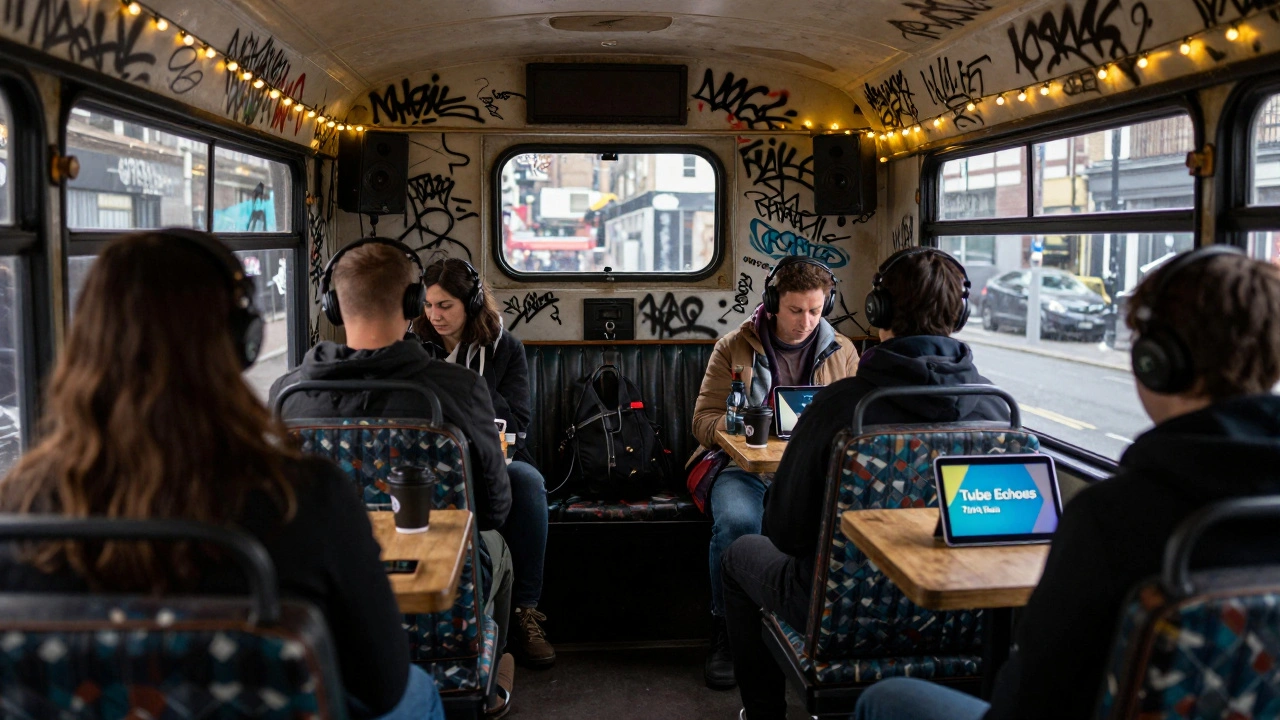
Right now, they’re featuring Tariq Khan a sound artist who turns urban noise into immersive installations using modified public transport audio systems. His piece ‘Tube Echoes’ plays the recorded sounds of 12 different Central Line stations-every cough, announcement, and footstep-layered into a haunting 22-minute loop. Visitors sit on reclaimed bus seats and listen with headphones. It’s not art you look at. It’s art you feel in your chest.
2. Paperweight Collective (Camden)
Forget oil on canvas. Paperweight is all about paper. Not just drawings. Cut-outs, folded sculptures, laser-engraved maps, and handmade pulp paintings. They focus on artists who use paper not as a surface, but as a material with history.
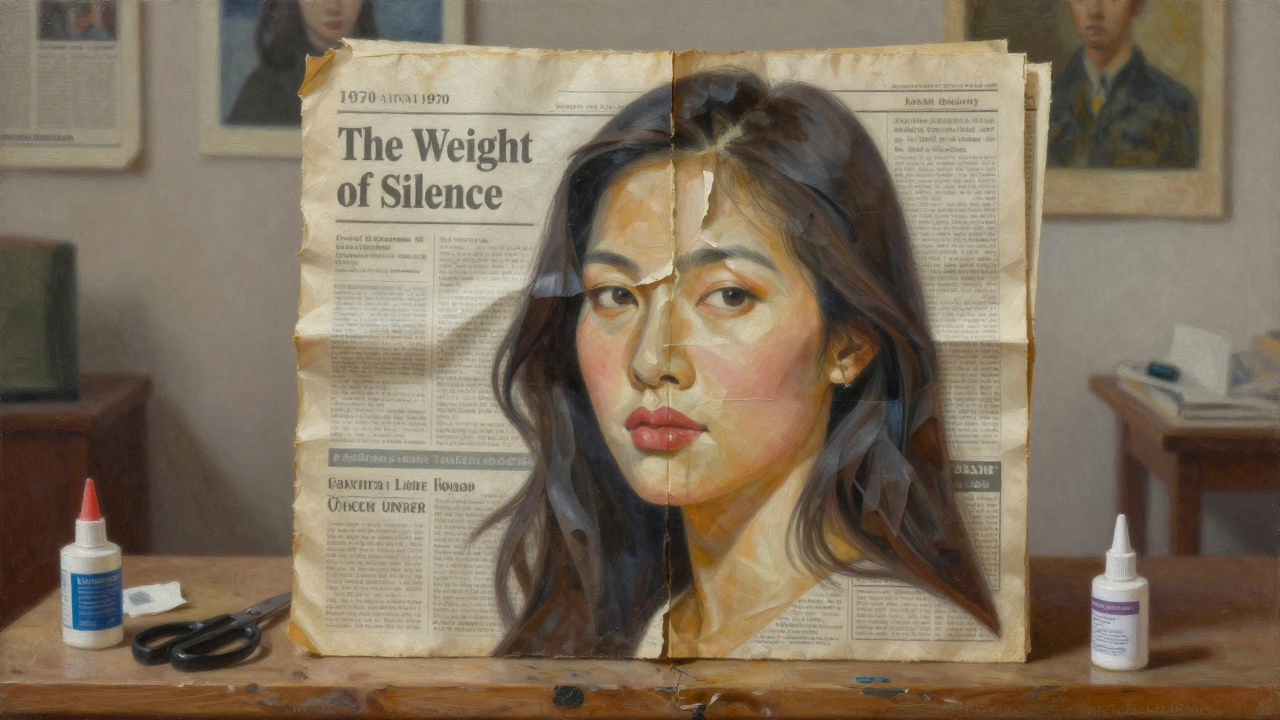
One standout is Lena Nguyen a Vietnamese-British artist who weaves recycled newspaper from her grandmother’s home in Hanoi into intricate, three-dimensional portraits. Her work ‘The Weight of Silence’ is made from 872 pages of 1970s Vietnamese newspapers, folded into the shape of a woman’s face. It’s delicate, fragile, and impossible to ignore.
3. The Basement Project (Wandsworth)
Located under a community centre in South West London, this space is lit only by natural light and a few string bulbs. No AC, no climate control. Just artists and their work, exposed to the same humidity and temperature as the city outside.
They’re currently showing Rafael Mendez a ceramicist who burns his pieces in open-air kilns made from old shipping containers. His glazes change based on wind direction and rainfall during firing. One piece might be deep blue one week, then cracked and ash-grey the next. He doesn’t try to control it. He lets the weather decide. His show, ‘Fired by London,’ has already sold out two editions.
4. Ghost Gallery (Islington)
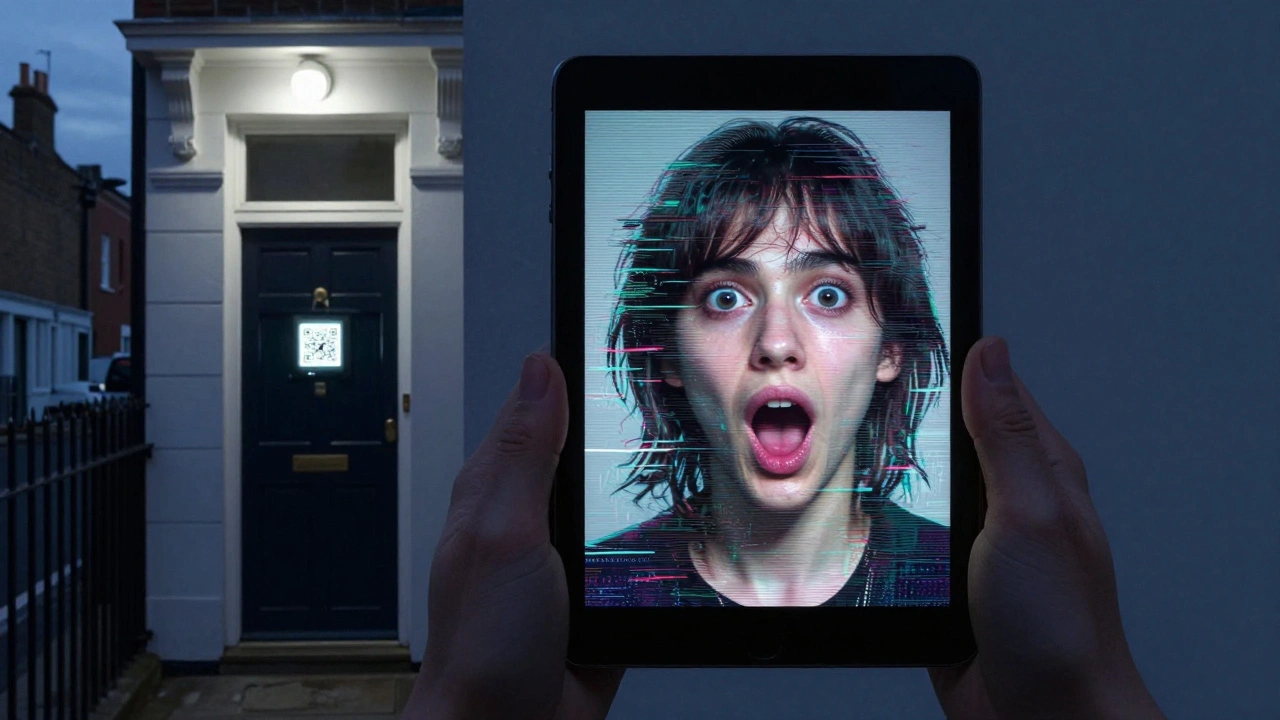
This isn’t a gallery you can walk into. It’s a digital-first space that only opens for one weekend a month. You book a time slot, get a QR code, and walk through a residential street until you find a door marked with a single white light. Inside, a tablet displays a new artist’s work-each piece only viewable for 10 minutes before it disappears from the screen forever.
The current artist is Maya Choudhury a digital painter who creates glitch-art portraits using AI trained only on photos of her own family. The AI doesn’t know names, dates, or context. It just sees faces. The results are uncanny-eyes too wide, mouths stretched into smiles that never were. You can’t buy them. You can’t screenshot them. You just remember them.
5. The Shed (Lewisham)
Run by a collective of local teens and 20-somethings, The Shed is the only gallery in London where every exhibition is curated by someone under 25. They don’t have a budget. They use chalk, tape, and reclaimed wood. But they’ve got vision.
Right now, they’re showing Eliot Okoro a self-taught photographer who documents the lives of undocumented migrants in South London using only a disposable camera. His series ‘No Papers, No Names’ has 42 portraits. No captions. No dates. Just faces. One photo shows a woman holding a child, standing outside a food bank. The next shows the same woman, months later, laughing with friends at a street party. The change isn’t dramatic. But it’s real. And it’s the kind of work big galleries still won’t touch.
What makes these artists different?
They’re not chasing trends. They’re not making Instagram-friendly art. Their work doesn’t always look pretty. It’s often messy, uncomfortable, or confusing. But it’s honest.
Compare that to the commercial art world, where pieces are often made to fit gallery walls, collector tastes, or auction house expectations. These emerging artists don’t have that pressure. They’re making art because they have to-not because they want to sell it.
That’s why collectors who visit these spaces come back. They’re not buying decoration. They’re buying a moment in time. A voice that might not be heard elsewhere.
How to support them (without spending a fortune)
You don’t need to buy a £5,000 painting to be part of this scene. Here’s how you can help:
- Visit. Show up. Even if you don’t understand the work. Just being there matters.
- Share. Post a photo. Tag the gallery. Even a simple ‘I saw this today’ helps.
- Buy small. Many artists sell prints, zines, or postcards for under £20. That’s enough to keep them going.
- Volunteer. Most of these galleries are run by artists who also work part-time jobs. They need help hanging shows, answering emails, or making tea.
Where to find the next one
Follow these accounts on Instagram: @smallgallerieslondon, @emergingartistslondon, and @londonartwalks. They post weekly updates on pop-ups, open studios, and new shows.
Also, check out Open Studios London a free, city-wide event held every October where artists open their studios to the public. You’ll find studios in garages, flat roofs, and even shipping containers. No filters. No pretense. Just the work.
What’s next for these artists?
Some will disappear. Others will explode. A few will end up in the Tate. But the ones who stay true to their process-the ones who keep making work even when no one’s watching-are the ones who change the game.
Right now, you have a rare chance to see art before it becomes famous. Before the prices rise. Before the crowds come. Before the story gets rewritten.
Go now. Before it’s too late.
Are these galleries open to the public?
Yes, all of them are open to the public, but hours vary. Most are open Thursday to Sunday, often from 12pm to 6pm. Some, like Ghost Gallery, require booking in advance. Always check their Instagram or website before visiting-many don’t have traditional websites and update only through social media.
Can I buy art from these galleries?
Absolutely. Most artists sell their work directly at the gallery. Prices range from £15 for a print or zine to £1,500 for a larger piece. Many artists offer payment plans or trade options. If you love something but can’t afford it, ask. These spaces are built on relationships, not transactions.
Do I need to be an art expert to appreciate this work?
No. These galleries thrive because they’re not intimidating. The artists and staff are usually happy to talk about their work-no jargon, no pretense. If something makes you feel something, that’s enough. You don’t need to know the theory behind it.
Why aren’t these artists in bigger galleries yet?
Big galleries often look for artists with a track record-exhibitions, press, awards. These artists are just starting out. They don’t have that yet. But that’s exactly why small galleries exist: to give them a platform before the system catches up.
Is this scene changing because of AI and digital art?
Yes, but not in the way you might think. AI is being used by some artists as a tool-not a replacement. Others are pushing back, making physical, tactile work as a form of resistance. The most exciting art right now is the tension between the two: digital glitch pieces next to hand-carved wood sculptures. It’s not about which is better. It’s about what they say about being human in 2026.
Next steps: Where to go from here
If you’re inspired, start small. Pick one gallery from this list. Visit this weekend. Don’t bring your phone. Just look. Listen. Feel. Then tell one friend about it. That’s how movements begin.
And if you’re an artist yourself? Don’t wait for permission. Find a space-any space-and show your work. London’s next big name might be in your flat right now.