Living in a rented flat in London doesn’t mean you have to live with boring walls, flimsy furniture, and zero personality. Thousands of renters across the city-especially in areas like Brixton, Shoreditch, and Camden-are transforming their spaces without drilling holes, painting over original features, or risking their deposits. The secret? Non-permanent upgrades that look expensive but cost less than a takeaway meal per week.
Why Most Renters Feel Stuck
Landlords in London often ban painting, nailing, or permanent changes. Some even require you to restore the flat to its original state before you leave. That leaves renters with two choices: live with beige walls and IKEA’s cheapest options, or sneak in risky modifications that could cost you your deposit. Neither is satisfying.
But here’s the truth: you don’t need to break rules to make your space feel like home. A 2024 survey by the UK Renters’ Union found that 68% of London renters made at least three non-permanent changes to their flats in the past year-and 82% of those said their mental well-being improved as a result. It’s not about luxury. It’s about control.
Stick-On Wallpaper: The Game Changer
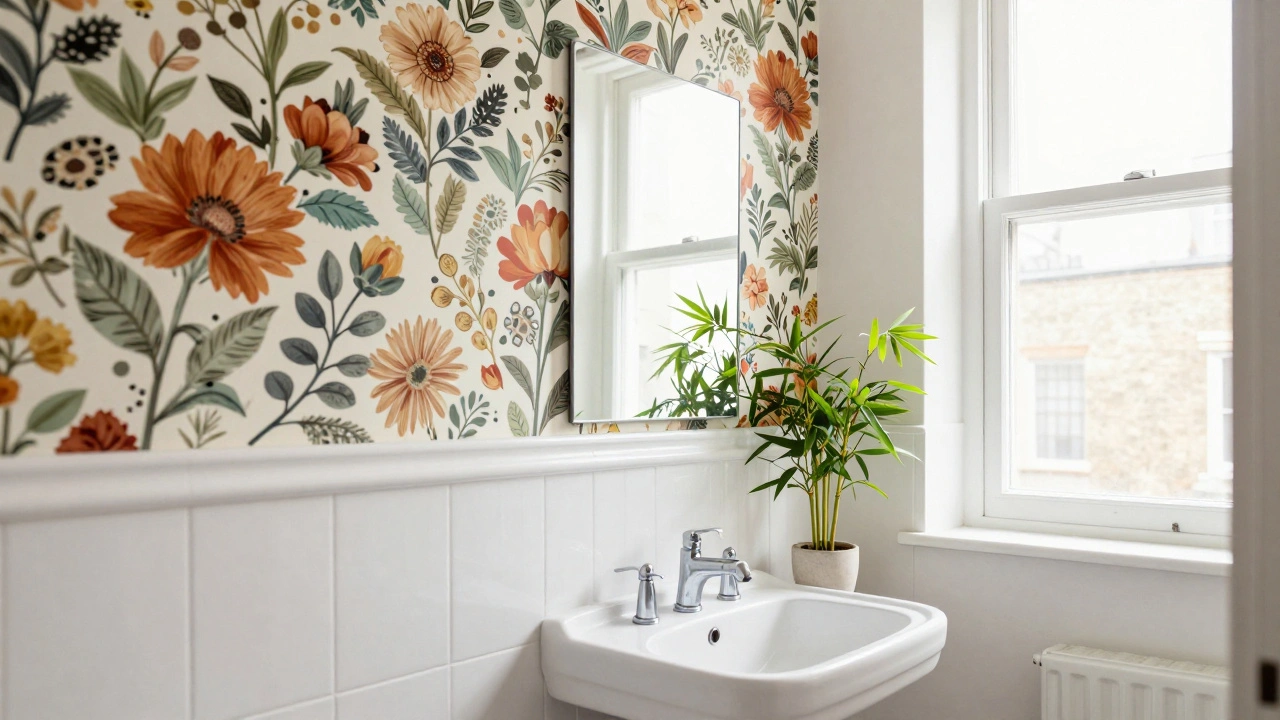
Forget peeling paint. Stick-on wallpaper is now the go-to for renters who want bold patterns without the mess. Brands like Graham & Brown and Chasing Paper make removable vinyl wallpapers that cling to walls with zero adhesive residue. They’re easy to install, come in hundreds of designs-from Moroccan tiles to minimalist geometrics-and can be taken down in minutes.
One East London tenant used a peel-and-stick floral wallpaper on her bathroom wall. When she moved out, she peeled it off cleanly, left no glue, and got her full deposit back. The landlord didn’t even notice it was there until she showed him the before-and-after photos.
Pro tip: Use a hairdryer to warm the wallpaper slightly before removal. It loosens the adhesive without damaging the surface underneath.
Adhesive Hooks and Strips: Your New Best Friends
Those little 3M Command strips? They’re not just for hanging pictures. Renters in London are using them to mount floating shelves, hold up mirrors, hang plants, and even secure full-length mirrors above dressers. The key? Choosing the right weight rating.
Command™ Large Picture Hanging Strips hold up to 16 lbs each. That’s enough for a 24-inch round mirror or a small bookshelf. For heavier items like a TV stand or a large coat rack, use Command™ Outdoor Hooks-they’re rated for 7.5 lbs and work on painted walls, tiles, and even glass.
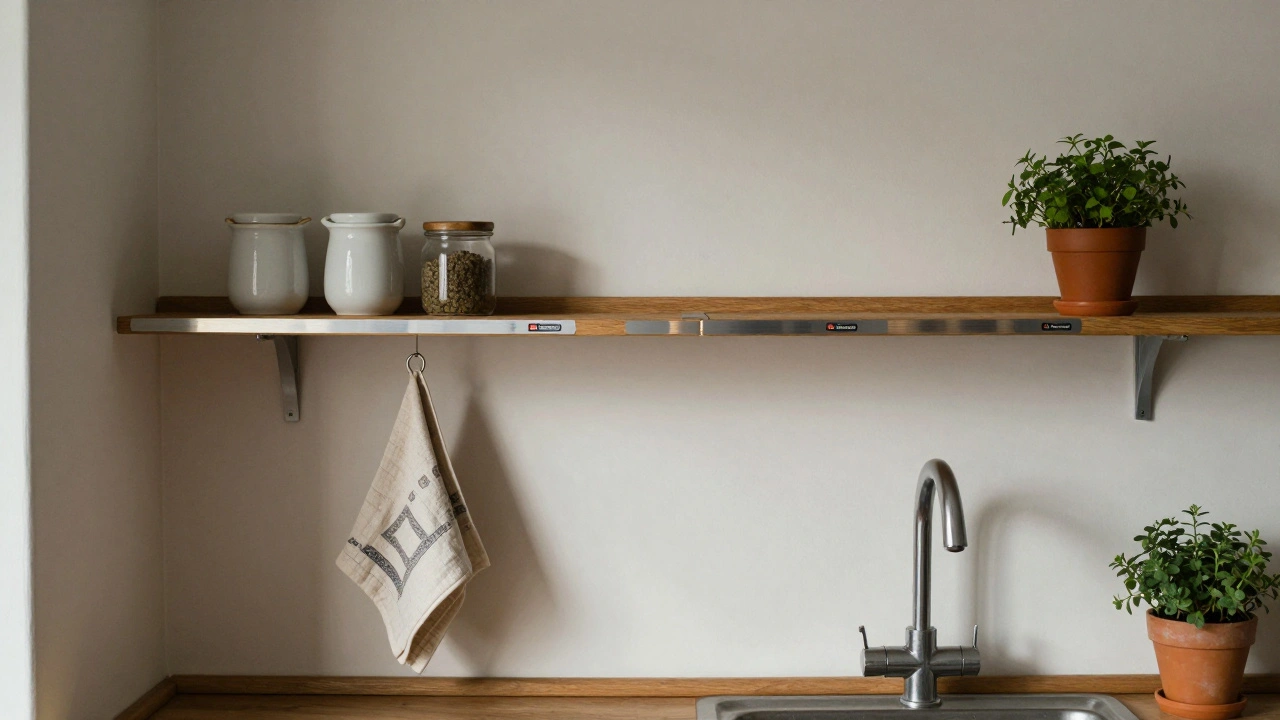
One Hackney resident mounted a narrow wooden shelf above her kitchen sink using six Command strips. She uses it for spices, tea towels, and a small potted herb. When she moved, she removed the shelf, cleaned the wall with rubbing alcohol, and left no trace.
Rugs That Do More Than Cover Floors
In London rentals, floors are often worn-out laminate, dull carpet, or uneven tiles. A good rug doesn’t just hide them-it defines spaces, adds warmth, and changes the whole vibe of a room.
Look for low-pile, reversible rugs with non-slip backing. Brands like Ruggable and Wayfair’s “Renter-Friendly” line offer machine-washable rugs that won’t slide or trap dirt. A 5x8 rug in a neutral tone with subtle texture can make a studio feel like a designer flat.
Pro tip: Layer two smaller rugs for depth. Place a jute rug underneath a patterned wool one in the living area. It creates a sense of zoning without needing to move walls.
Lighting That Doesn’t Need an Electrician
Most London rentals have outdated, harsh overhead lights. Swapping them out usually requires an electrician-and landlord permission. But you don’t need to replace the fixture to upgrade the light.
Plug-in pendant lights are the answer. They hang from the ceiling using a hook (not a screw), plug into a standard outlet, and come in modern designs like woven rattan, brass cages, or minimalist glass globes. Brands like West Elm and CB2 sell them for under £80.
Another trick: Use LED strip lights under shelves, behind TVs, or along baseboards. They’re battery-powered or USB-powered, so no wiring needed. A warm white strip behind your bed frame makes your room feel like a boutique hotel.
Modular Furniture That Adapts to Your Space
London flats are small. Furniture that doesn’t move or adapt is a liability. Modular pieces-like stackable cubes, fold-out desks, or nesting tables-give you flexibility without permanence.
The IKEA KUNGSBACKA kitchen cabinet system is popular among renters because it’s wall-mounted with brackets that don’t require drilling into the wall (they use tension rods). You can use it as a pantry, a desk, or a TV unit. When you move, you just unscrew the brackets and take it with you.
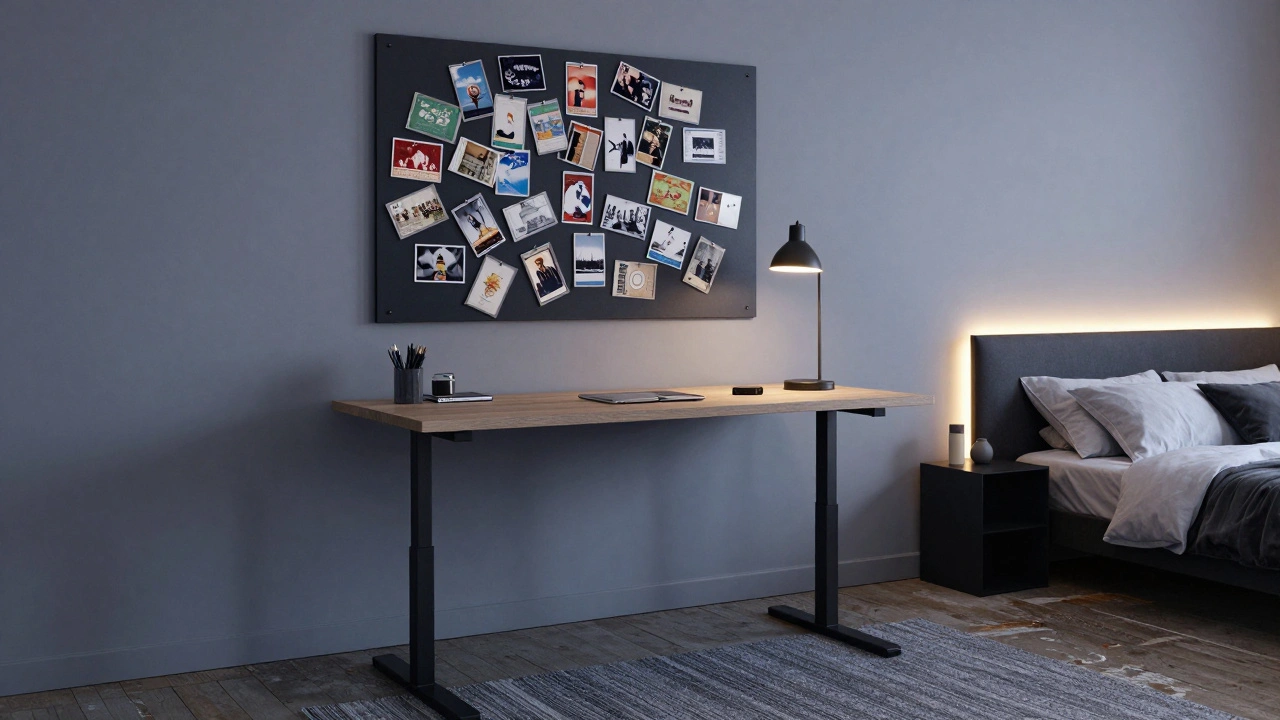
Another favorite: the Flexispot E7 Standing Desk. It’s height-adjustable, rolls on wheels, and doesn’t need to be screwed into the floor. One Camden tenant used it as a desk during the day and converted it into a dining table at night.
Art That Doesn’t Require Nails
Art in rentals shouldn’t be an afterthought. But traditional frames with nails? Not happening.
Try magnetic art panels. Mount a thin steel sheet (available at hardware stores) to the wall with Command strips. Then use rare-earth magnets to hang lightweight metal-framed prints, postcards, or even small sculptures. It’s like a gallery wall you can rearrange daily.
Another option: adhesive picture ledges. These are thin wooden or metal strips that stick to the wall and hold frames without nails. You can slide frames in and out, change layouts, and remove them cleanly.
One Notting Hill renter hung a rotating collection of vintage postcards using a 36-inch adhesive ledge. She changed the display every month. Her friends thought she’d spent thousands. She spent £47.
Plants That Thrive Without Permanent Planters
Greenery makes any space feel alive. But renters can’t drill into walls for hanging planters or install built-in planters.
Use freestanding plant stands made of bamboo or powder-coated steel. Place them in corners or beside windows. For small spaces, try wall-mounted planters that clamp onto railings or window frames-no drilling required.
Plants that survive in low-light London flats? Snake plants, ZZ plants, pothos, and peace lilies. All need watering once every two weeks. One Southwark tenant kept six plants alive for three years using just a drip tray and a watering can.
What Not to Do
Some renters try to cut corners and end up losing deposits. Here’s what to avoid:
- Painting with temporary paint-Even “renter paint” can leave stains or require professional cleaning.
- Using duct tape or masking tape on walls-It leaves residue and peels paint.
- Installing curtain rods with screws-Use tension rods instead. They hold up to heavy curtains and come in matte black or brushed brass.
- Gluing anything to tiles or wood floors-Adhesives can permanently discolor surfaces.
Final Tip: Document Everything
Before you move in, take photos of every wall, floor, and fixture. When you move out, take new photos showing your non-permanent upgrades have been removed. Send both sets to your landlord with a polite note. It’s not about being suspicious-it’s about being smart.
One West Hampstead tenant did this. When her landlord claimed she damaged the walls, she showed him the before-and-after photos. She got her £1,200 deposit back in full.
You don’t need to own your home to make it feel like yours. With the right tools, a little creativity, and zero permission slips, your London rental can be the most stylish place you’ve ever lived. And when you leave? You walk out with your deposit-and your style-intact.
Can I use Command strips on plaster walls in London flats?
Yes, Command strips work on most plaster walls, as long as the surface is clean, dry, and painted. Avoid using them on textured walls or wallpaper. Always test a small area first. For older London flats with lime plaster, wipe the wall with rubbing alcohol before applying strips to ensure better adhesion.
What’s the best way to hide ugly radiators in a rental?
Use a freestanding radiator cover made of lightweight wood or metal. Look for ones with ventilation gaps so heat can still escape. Secure it with adhesive brackets or non-slip pads-never screw into the wall. Some covers even double as shelves or side tables. Brands like Rattan Living and Home Bargains sell affordable options under £50.
Are peel-and-stick tiles safe for kitchen backsplashes?
Yes, if you choose the right kind. Look for waterproof, heat-resistant vinyl tiles designed for kitchens. Brands like StickTILE and SmartTile are rated for use behind stoves and sinks. Avoid placing them directly above open flames. Clean the surface with degreaser before applying. They last 3-5 years and peel off cleanly when removed.
Can I hang curtains without drilling holes?
Absolutely. Tension rods are the #1 choice for renters. They work in any window width up to 84 inches and hold even blackout curtains. For bay windows, use adjustable tension rods with corner connectors. For extra hold, add small adhesive hooks at the ends to prevent sagging. Avoid spring-loaded rods on wide windows-they tend to slip over time.
How do I make a small rental feel bigger?
Use mirrors strategically-place one opposite a window to bounce light. Choose low-profile furniture with exposed legs to create visual space. Stick to a single color palette-light walls, medium floors, and one accent color. Avoid clutter by using vertical storage: floating shelves, wall-mounted baskets, and tall bookcases. And never use dark rugs in small rooms-they make floors feel smaller.