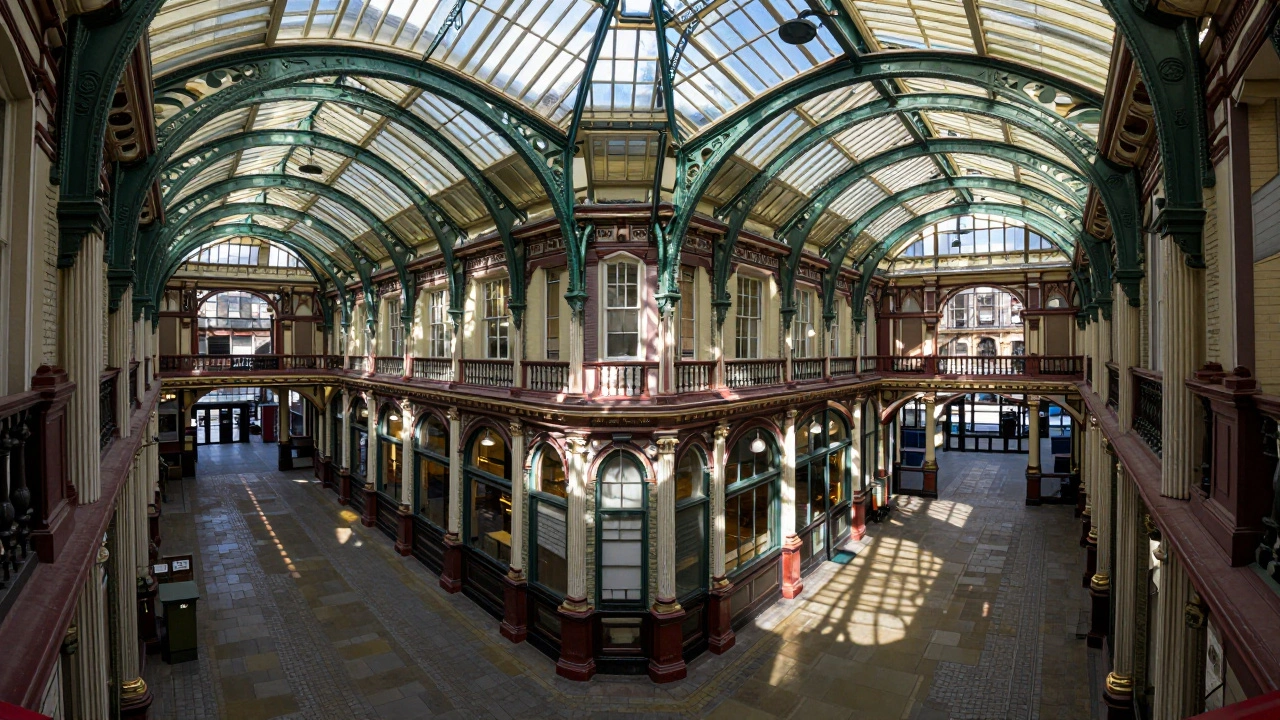
Walking into the City of London often feels like stepping back in time, but one spot stands out as a true gem of preservation. Leadenhall Market is a historic covered market located in the heart of the City of London, known for its stunning Victorian architecture and role as a filming location for major movies. It is not just a place to walk through; it is a living piece of history that has survived centuries of change. When you visit, you are walking on the same ground that Roman merchants once trod, though the buildings you see today date back to the late 19th century.
Many tourists rush past this area because it sits between busy streets, but stopping here offers a unique glimpse into London's past. The atmosphere is quiet compared to the surrounding financial district, with the sound of footsteps echoing on the paved floor. You might wonder why this specific market remains so intact while others have vanished. The answer lies in its design and the efforts of those who protected it during the Blitz and modern redevelopment. It serves as a perfect example of how Victorian engineering and aesthetic choices can endure.
Historical Roots and Origins
To understand the market, you have to look at the layers of history beneath the cobblestones. The site itself is ancient, sitting on top of the Roman London Wall. Archaeological evidence suggests this area was a hub of activity as far back as the 2nd century. However, the structure you see today is much younger. It was built in 1881, replacing an earlier market that dated back to the 14th century.
Horace Jones is the architect responsible for designing the current Victorian structure of Leadenhall Market, employing a distinctive style that blended utility with grandeur. Jones was the City Surveyor at the time and had a vision for a covered market that would protect traders from the elements. Before his design, the area was prone to flooding and lacked proper drainage. The new market solved these issues while creating a space that felt grand and welcoming.
The name "Leadenhall" comes from the lead used to cover the roof of the original medieval building. In 1290, King Edward I granted a charter to the merchant guild, allowing them to use the hall for their meetings. Over the years, the market shifted from selling grain and livestock to becoming a social and commercial hub. During the Great Fire of London in 1666, the market was damaged but rebuilt. The Victorian version we know today was the final major reconstruction, solidifying its place in the city's landscape.
Victorian Architecture and Design Details
The visual appeal of the market is its strongest draw. The architecture is a textbook example of Victorian industrial design. The roof is made of cast iron and glass, allowing natural light to flood the space during the day. This was a revolutionary technique at the time, as it kept the market bright without needing gas lamps during daylight hours. The ironwork is intricate, with curved beams that support the heavy slate tiles.
One specific feature that catches the eye is the use of slate. The roof tiles are arranged in a pattern that creates a sense of rhythm and movement. This was not just for looks; slate was durable and fire-resistant, which was crucial in a city made largely of wood and brick. The floors are paved with concrete and stone, designed to withstand heavy carts and foot traffic. Even the lighting fixtures are preserved, giving the space an authentic 19th-century feel.
Cast Iron is a strong and malleable metal alloy used extensively in the structural framework of Leadenhall Market, providing support for the roof and decorative elements. The columns are painted in a deep green, which contrasts beautifully with the warm tones of the wood and stone. This color scheme was chosen to match the surrounding City of London buildings, creating a cohesive look. The attention to detail in the ironwork shows the craftsmanship of the era, where every bracket and rail was forged with precision.
The market is divided into two sections by a central walkway. This design allowed for better airflow and easier movement of goods. Today, these sections house shops and restaurants, but the layout remains unchanged. The preservation of the original structure is remarkable, especially considering the heavy bombing the City of London faced during World War II. Many nearby buildings were destroyed, but Leadenhall Market survived with minimal damage.
Famous Film Locations and Pop Culture
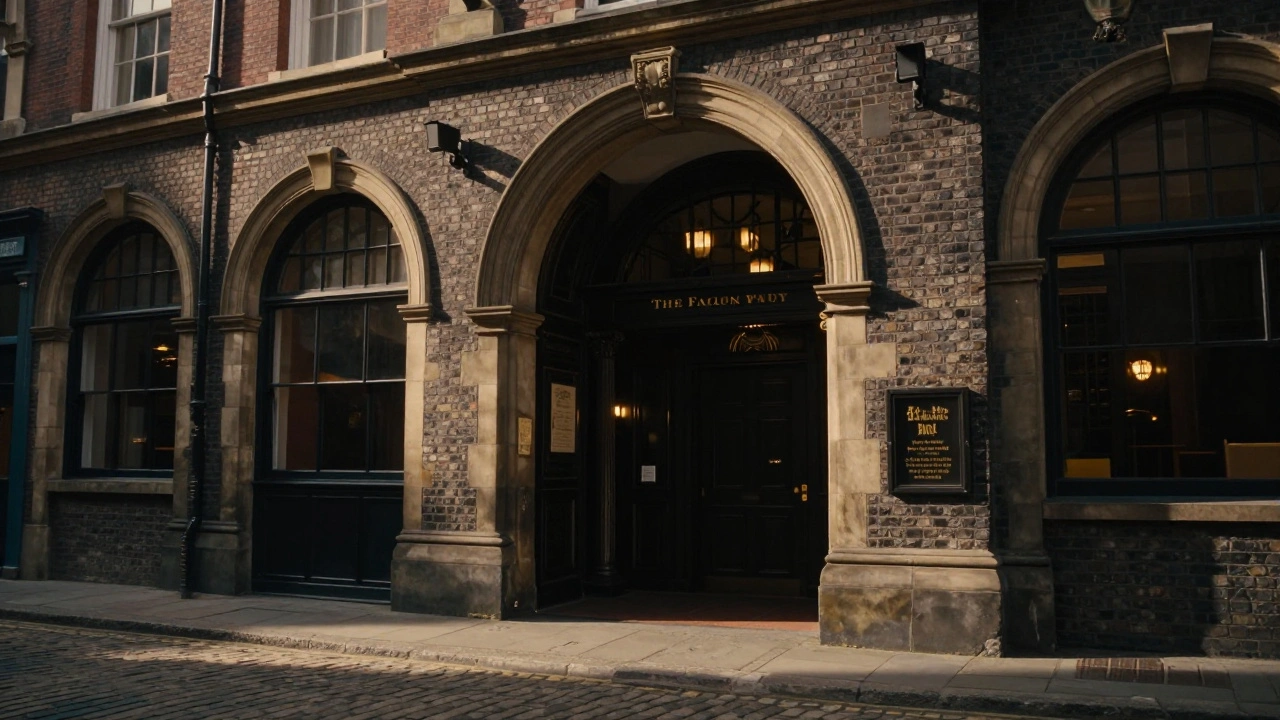
If you are a fan of movies or television, you likely recognize this place. Leadenhall Market has become one of the most filmed locations in London. Its Victorian aesthetic makes it perfect for period dramas and fantasy settings. The most famous use of the market was in the Harry Potter is a popular fantasy film series that used Leadenhall Market as the exterior for Diagon Alley, the magical shopping street. In the first film, Harry walks through the market to find the entrance to the wizarding world. The scene is iconic, and fans often visit to take photos at the same spot.
Specifically, the entrance to the pub called The Falcon serves as the entrance to Diagon Alley in the movie. In reality, The Falcon is a historic pub that has been there for centuries. The filmmakers used the market's arches and lighting to create the illusion of a hidden magical world. This association has brought millions of tourists to the site, eager to see the real-life version of the fictional street.
Another major production that used the market is Doctor Who is a long-running British science fiction television series that filmed several episodes in Leadenhall Market, utilizing its timeless architecture. The show often uses London locations to depict different time periods, and the market's ability to look both old and new makes it versatile. In one episode, the market was used to represent a Victorian street, highlighting its authenticity. The production team appreciated the lack of modern signage, which made filming easier.
Beyond these two, the market has appeared in Sherlock Holmes is a detective series that featured Leadenhall Market in scenes depicting the bustling streets of London, adding to its cinematic legacy. The dark, moody lighting of the market fits the detective genre perfectly. It provides a backdrop that feels mysterious and slightly ominous, which is exactly what the writers needed for their stories. This repeated use in media has cemented the market's place in pop culture history.
The following table highlights some of the key productions that have utilized this location:
| Production | Year | Role of Location |
|---|---|---|
| Harry Potter and the Philosopher's Stone | 2001 | Exterior of Diagon Alley |
| Doctor Who | 2005 | Victorian Street Scene |
| Sherlock Holmes | 2009 | London Street Setting |
| Stardust | 2007 | Fantasy Village Square |
Visiting the Market Today
For anyone planning a trip to London, adding this spot to your itinerary is a smart move. It is located just off Gracechurch Street, near Liverpool Street Station. The proximity to the station makes it easy to reach if you are coming from outside the city. You do not need to pay an entry fee, as it is a public space. However, the shops and restaurants inside do charge for their goods and services.
The market is open during standard business hours, typically from 9:00 AM to 5:00 PM on weekdays. On weekends, the hours may vary, and some shops might close earlier. It is best to check the opening times before you go, especially if you are visiting during the holiday season. The area can get crowded, particularly around lunchtime when office workers from nearby buildings stop for a meal.
When you walk through, take a moment to look up. The ceiling is the most impressive part of the structure. The combination of the iron beams and the glass panels creates a unique pattern of light and shadow. This effect changes throughout the day as the sun moves across the sky. Photographers love this spot because the lighting is natural and flattering.
Shops, Dining, and Local Life
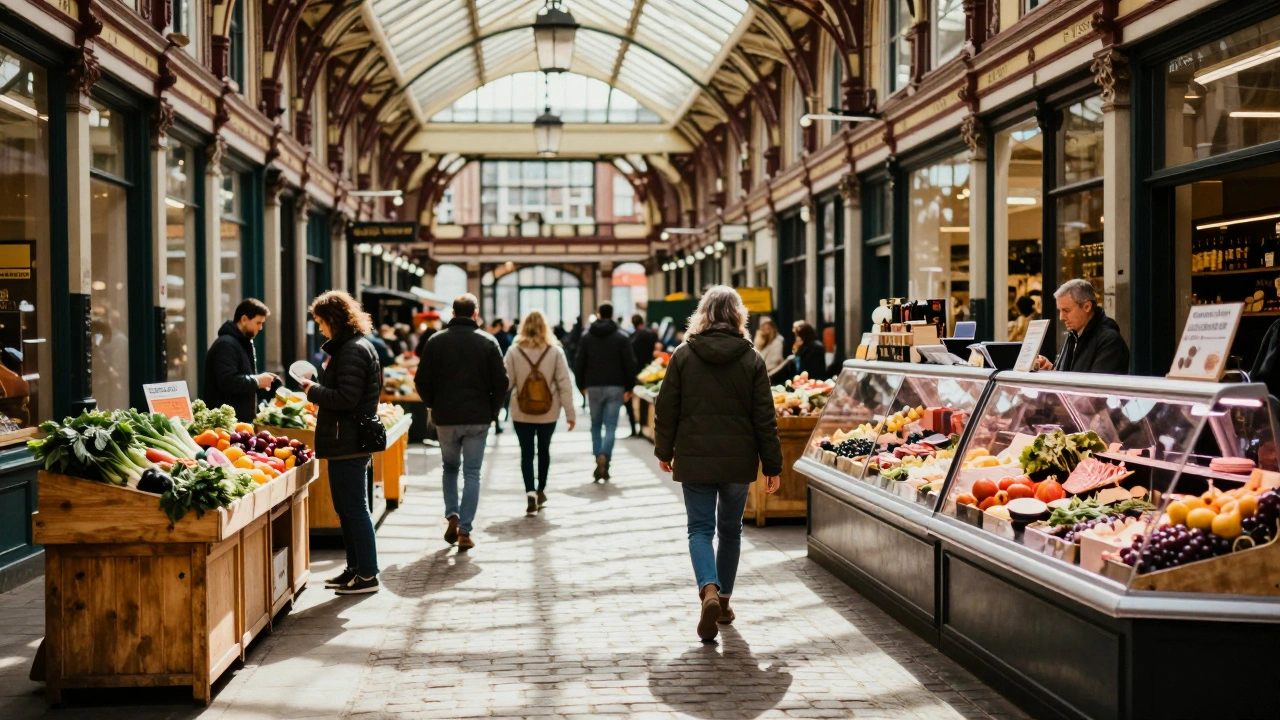
While the history is the main attraction, the market is also a functional space. You will find a variety of independent shops selling gifts, stationery, and food. These are not chain stores, but small businesses that add character to the area. One popular spot is the butcher shop, which has been operating for decades. They sell high-quality meats and sausages, often sourced from local farms.
There are also several cafes and pubs where you can sit and enjoy the atmosphere. The Falcon pub, mentioned earlier, is a great place to grab a drink. It has a long history and has been a meeting place for traders for generations. The interior is traditional, with wooden tables and low ceilings. It feels like a secret spot away from the busy streets outside.
For lunch, you can find places serving everything from traditional British pies to modern fusion dishes. The prices are reasonable for the City of London, making it accessible for tourists and locals alike. Many people come here specifically to eat because the food quality is high. The market has a reputation for supporting local producers, which adds to its charm.
Preservation and Future Challenges
Keeping a historic building like this in good condition requires constant effort. The City of London Corporation manages the market and ensures that any repairs are done using traditional methods. This means replacing slate tiles with slate, not modern alternatives. It is more expensive, but it preserves the integrity of the building.
There are always challenges when dealing with old structures. Weathering is a constant issue, especially in a city with high pollution levels. The ironwork needs regular painting to prevent rust. The glass panels need cleaning to maintain their clarity. Despite these challenges, the market remains a vibrant part of the city. It is a testament to the value of preserving our architectural heritage.
Looking ahead, the market faces the challenge of balancing tourism with local use. Too many tourists can disrupt the businesses that rely on daily customers. The management team works to ensure that the flow of people is managed effectively. They also encourage visitors to respect the space and the businesses operating within it.
Is Leadenhall Market free to enter?
Yes, entering Leadenhall Market is completely free. It is a public space located in the City of London. While you can walk through without paying, any shops or restaurants inside will charge for their products and services.
What are the opening hours of the market?
The market is generally open from 9:00 AM to 5:00 PM on weekdays. Weekend hours may vary, and individual shops might have different schedules. It is recommended to check specific shop hours before visiting, especially on Saturdays and Sundays.
Where is the best spot to take a photo of Diagon Alley?
The best spot is near the entrance to The Falcon pub. In the Harry Potter films, this area served as the entrance to Diagon Alley. Look for the archway and the brickwork that matches the movie scene. It is often crowded, so early morning visits are best for photos.
Can I eat lunch at Leadenhall Market?
Yes, there are several cafes and restaurants inside the market. Options range from traditional British pubs to modern eateries. The Falcon pub and various food stalls offer a variety of meals suitable for lunch or a quick snack.
Is the market accessible for wheelchairs?
The market is largely accessible, but the historic cobblestones and some steps at the entrances can be challenging. Most of the main walkway is flat, but visitors with mobility issues should check specific access points or contact the market management for assistance.