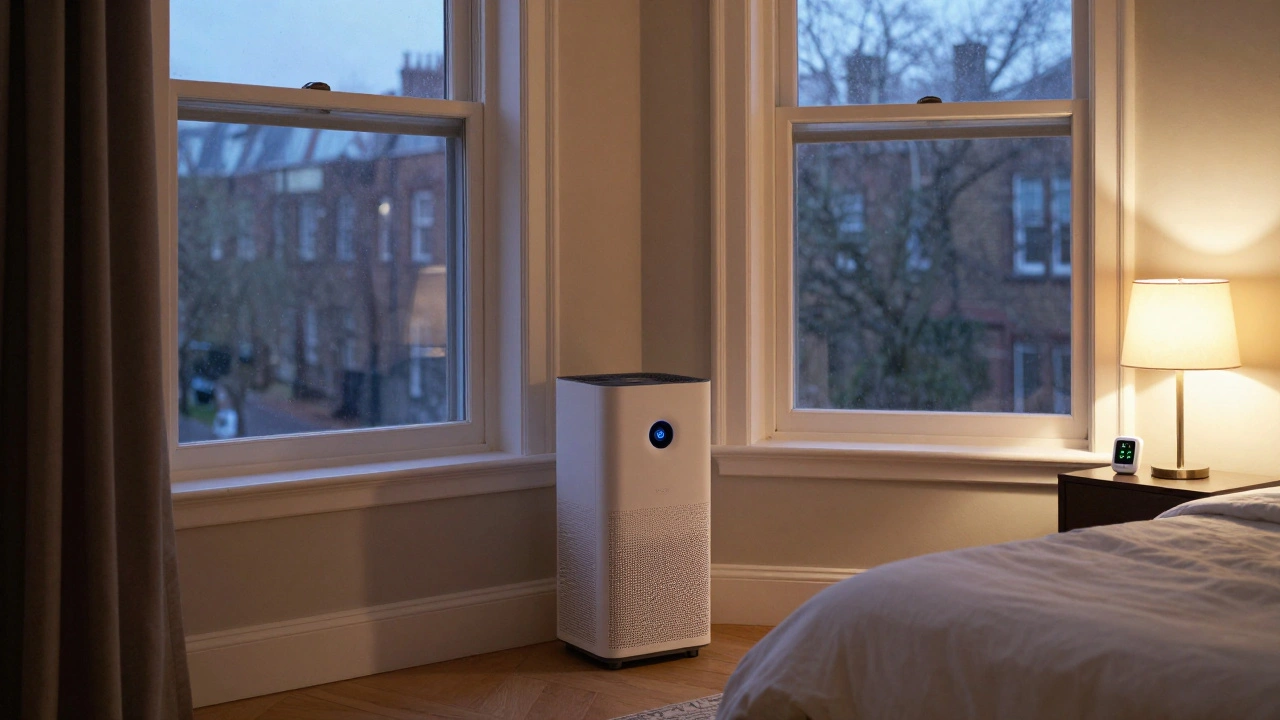
London’s air isn’t just foggy-it’s thick with pollutants. Even on clear days, fine particles from traffic, heating, and construction cling to the air. If you live in the city, you’re breathing in more than just dampness. Studies from King’s College London show that outdoor PM2.5 levels in central London regularly exceed WHO safety limits, and that pollution seeps into homes through windows, doors, and ventilation systems. The good news? You don’t need to move out to protect yourself. Small, practical changes inside your home can cut your exposure by more than half.
Understand What’s Coming In
Air pollution doesn’t stay outside. It drifts in through open windows, cracks around doors, and even HVAC systems. The biggest culprits inside homes are PM2.5 (fine particles less than 2.5 micrometers wide) and nitrogen dioxide (NO₂), mostly from traffic exhaust. These particles are small enough to get deep into your lungs and even enter your bloodstream. Long-term exposure is linked to asthma, heart disease, and reduced lung function-especially in children and older adults.
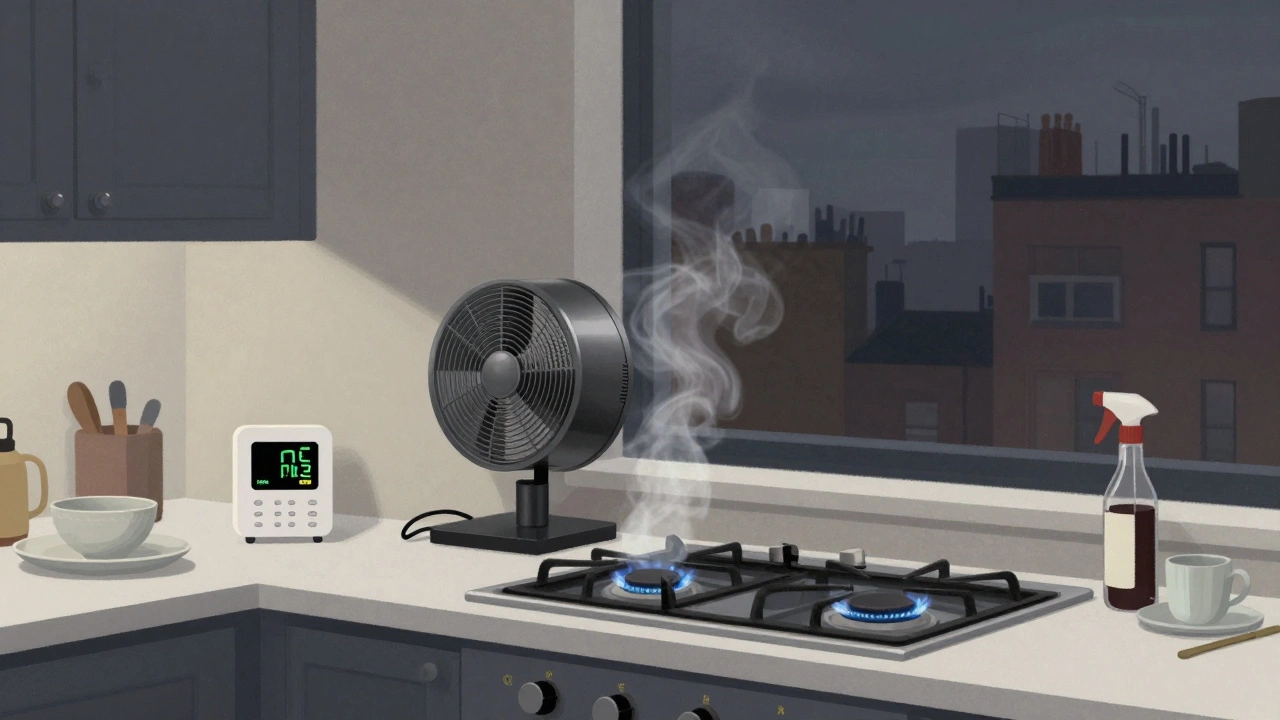
Indoor sources matter too. Cooking with gas stoves releases NO₂. Candles, incense, and even vaping add fine particles. Cleaning products with strong chemicals can react with outdoor pollutants to form new, harmful compounds. A 2024 study by Imperial College London found that homes near busy roads had indoor NO₂ levels 30% higher than those on quiet streets-even with windows closed.
Seal the Gaps
Start simple: block what’s coming in. Check windows and doors for gaps. Weatherstripping costs less than £20 and can cut outdoor air infiltration by up to 40%. Install door sweeps if drafts are noticeable. Seal gaps around pipes, vents, and electrical outlets with caulk or foam tape. These aren’t fancy fixes-they’re basic home maintenance, like replacing a leaky faucet.
Don’t forget your chimney. If you use a wood-burning stove, make sure the flue is properly sealed when not in use. Burning wood indoors is one of the worst things you can do for air quality. Even in winter, it’s better to use electric heating. The UK government’s Clean Air Strategy explicitly warns against wood-burning stoves in urban areas, especially near schools and hospitals.
Upgrade Your Ventilation
Most homes in London were built before modern air quality concerns. Older ventilation systems pull in air without filtering it. Installing a heat recovery ventilator (HRV) is the gold standard. These systems bring in fresh air while keeping heat in, and they come with high-efficiency filters that trap PM2.5. You can get a basic unit for under £800, and many local councils offer grants for low-income households.
If an HRV isn’t in your budget, start with a simple exhaust fan in the kitchen and bathroom. Run them during cooking and showering. Even a £30 fan with a timer can make a difference. Never use a range hood without a filter-it just recirculates grease and fumes. And never leave windows open on busy roads during rush hour. Use a free app like AirVisual or London Air to check real-time pollution levels. If it’s above 50 on the UK Air Quality Index, keep windows shut.
Use Air Purifiers Right
Air purifiers aren’t magic, but they work if chosen and used correctly. Look for one with a true HEPA filter (H13 or H14 grade) and an activated carbon layer. The carbon catches gases like NO₂ and ozone. Avoid ionizers and ozone generators-they claim to clean air but actually create more pollutants.
Size matters. A purifier rated for 300 sq ft won’t help in a 600 sq ft living room. Place it in the room where you spend the most time-usually the bedroom or living room. Run it on high for 30 minutes after coming home from outside, then switch to low. Don’t turn it off at night. Pollutants don’t sleep.
Replace filters every 6-12 months. A dirty filter stops working and can start releasing trapped particles back into the air. Brands like Blueair, Coway, and Dyson have models tested by independent labs like the AHAM. Avoid cheap no-name units-they often fail third-party tests.
Watch What You Bring Inside
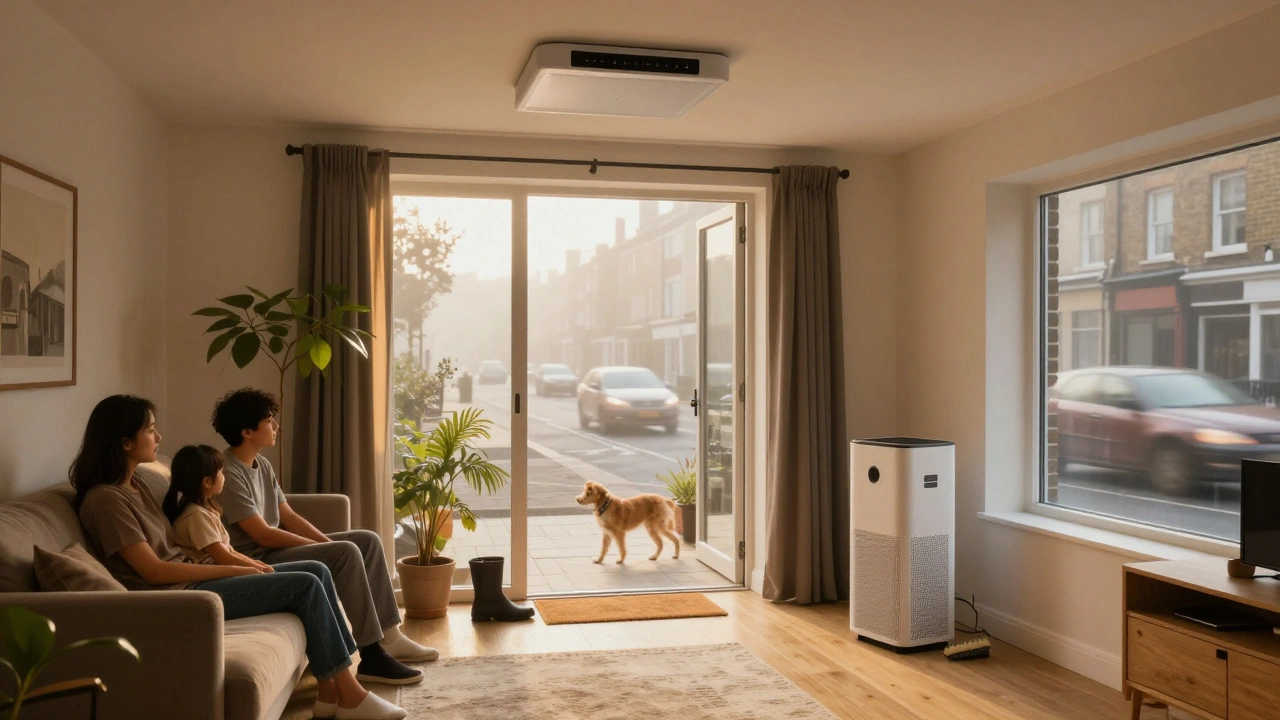
Shoes track in dust, soot, and heavy metals from sidewalks. Remove them at the door. Use a doormat with stiff bristles and wash it weekly. If you have pets, brush them outside before they come in. Pet dander combines with pollution to form worse allergens.
Choose cleaning products wisely. Vinegar and baking soda work better than chemical sprays. Avoid aerosols, air fresheners, and scented candles. Even "natural" scents like essential oils can release VOCs that react with ozone to form formaldehyde. Open a window instead. Fresh air beats fake lavender every time.
Plants Don’t Fix Air Quality
You’ve seen the Instagram posts: a snake plant in the corner, supposedly purifying the air. It’s a myth. NASA’s 1989 study on plants removing toxins was done in sealed lab chambers-not homes. In real life, you’d need hundreds of plants to make a dent in pollution levels. They’re great for mood, but they won’t reduce PM2.5 or NO₂. Skip the expensive "air-purifying plant" trend. Put your money into a HEPA filter instead.
Monitor and Adjust
Buy a low-cost indoor air quality monitor. Devices like the Foobot or Temtop M10 cost under £100 and track PM2.5, CO₂, and humidity. They show you exactly when pollution spikes-after cooking, after a neighbor’s wood fire, or during a traffic jam outside. Use the data to adjust habits: turn on the purifier, close windows, or delay vacuuming.
Keep a log. After three months of changes, compare your monitor readings. You’ll likely see a 40-60% drop in fine particles. That’s not just a number-it’s less strain on your lungs, fewer headaches, better sleep.
Who’s Most at Risk?
Children, pregnant women, the elderly, and people with asthma or heart conditions are hit hardest. If you have a baby, keep their room as clean as possible. Don’t let them nap near windows facing the street. Use a fan to circulate air, not a humidifier-moisture helps mold grow, which is worse than pollution in some cases.
Even if you’re healthy, long-term exposure adds up. A 2025 study from the British Lung Foundation found that Londoners living in high-pollution areas had lungs that functioned like those of people 10 years older. That’s not aging-it’s environmental damage. And it’s preventable.
What Doesn’t Work
Don’t waste money on:
- Essential oil diffusers
- UV light air cleaners (they don’t remove particles)
- DIY filters made from HVAC filters and fans (they’re unsafe and ineffective)
- “Smart” air purifiers that connect to apps but have weak filters
Also, don’t rely on air quality alerts alone. They measure outdoor air. Your indoor air could be 2-3 times worse. Test it yourself.
Start Small, Stay Consistent
You don’t need to overhaul your home overnight. Pick one thing: seal a draft. Buy a HEPA purifier for the bedroom. Install a door sweep. Do that for a month. Then add another. Within three months, you’ll notice less coughing in the morning, fewer allergies, and better sleep. That’s not a guess-it’s what real people in Camden, Hackney, and Southwark have reported after making these changes.
Air pollution in London isn’t going away. But your home can become a safe zone. You don’t need to live in the countryside to breathe better. Just be smart about what comes in-and what stays out.
Can air purifiers really make a difference in London homes?
Yes, but only if they have a true HEPA filter and activated carbon. Many cheap models don’t. A good purifier can reduce indoor PM2.5 by 60-80% in homes near busy roads. It’s not a cure-all, but it’s the most effective tool most people can use without major renovations.
Should I keep windows open in London to let in fresh air?
Only if pollution levels are low. Use the London Air app to check real-time data. On days when PM2.5 is above 50, keep windows closed. Open them briefly during off-peak hours-early morning or late at night-when traffic is lighter. Never leave windows open during rush hour.
Do houseplants improve indoor air quality in polluted cities?
No. While plants absorb some gases in lab conditions, they have no measurable effect on PM2.5 or NO₂ in real homes. You’d need hundreds of plants in a small room to make a difference. Save your money and invest in a HEPA filter instead.
Is cooking with gas bad for indoor air quality?
Yes. Gas stoves release nitrogen dioxide and fine particles even when not in use. Always use an exhaust fan that vents outside when cooking. If you can’t install one, open a window. Switching to induction cooking cuts indoor pollution by over 80%.
Are air quality monitors worth the cost?
Absolutely. A £80-£120 monitor shows you exactly when pollution spikes-after cooking, during rush hour, or from a neighbor’s wood stove. This lets you act, not guess. Many users report fewer symptoms after using data from their monitors to adjust behavior.