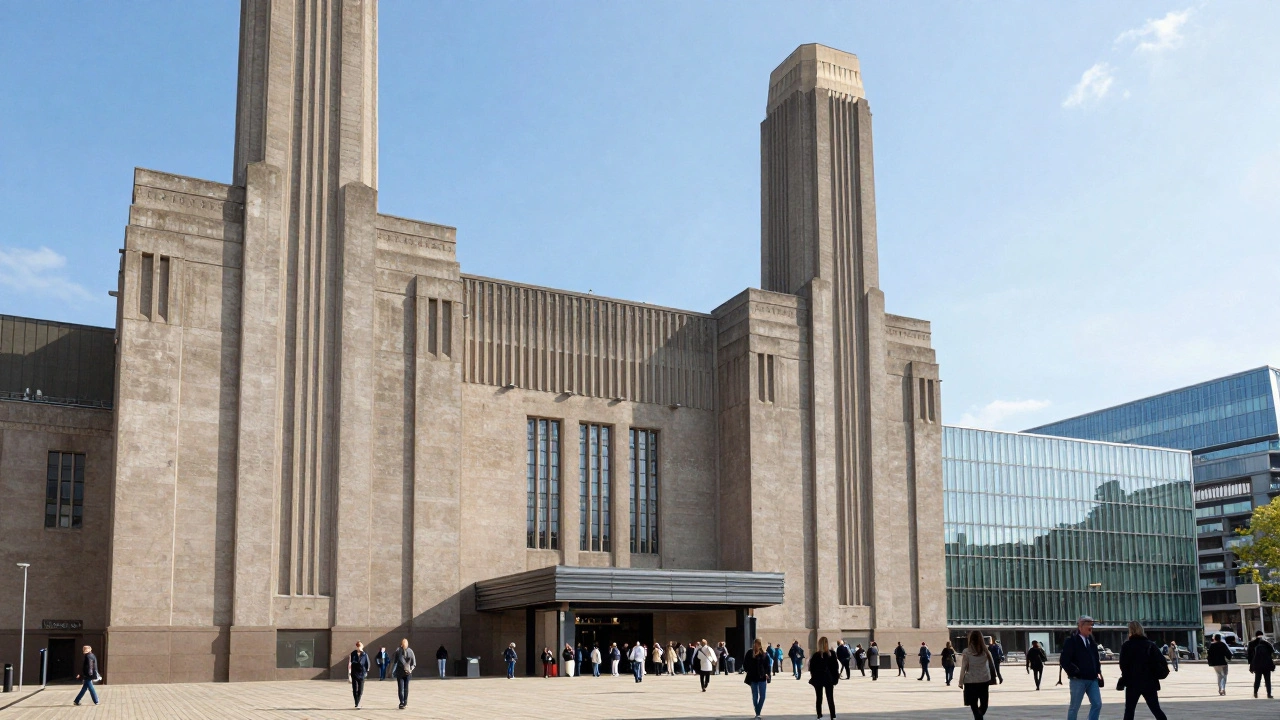
Key Highlights for Your Visit
- The Turbine Hall: Massive installations that change every few months.
- The Blavatnik Building: Incredible views of London and cutting-edge art.
- Permanent Collections: A journey from the 1880s to today.
- Free Entry: Most galleries are free, making it an easy win for a day out.
Mastering the Layout: The Switch and the Blavatnik
If you've never been, the first thing that hits you is the scale. The gallery is split into different zones. The main building, the former Bankside Power Station, houses the core collections. Then you have the Blavatnik Building, which is the newer addition. This extension isn't just about more room; it's an architectural feat that gives you a dizzying perspective of the London skyline. When you're up there, you realize how the gallery blends industrial grit with high-end luxury.
The way the art is organized can be a bit confusing if you just wander. Most people make the mistake of trying to see everything in one go. Don't do that. You'll get "museum fatigue" within two hours. Instead, pick a theme or an artist and follow that thread. The transition between the old power station's raw concrete and the sleek glass of the new wing mirrors the transition in art itself-from the heavy, industrial roots of the early 20th century to the digital, airy concepts of 2026.
The Must-See Permanent Artworks
Some things are just non-negotiable. You can't leave without seeing the works of Pablo Picasso. His influence on the 20th century is basically the foundation of everything else in the building. Look for his shifts into Cubism; it's where the world stopped trying to look "real" and started trying to look "felt." It's a wild ride to see how he breaks a human face into geometric shards and yet somehow keeps the emotion intact.
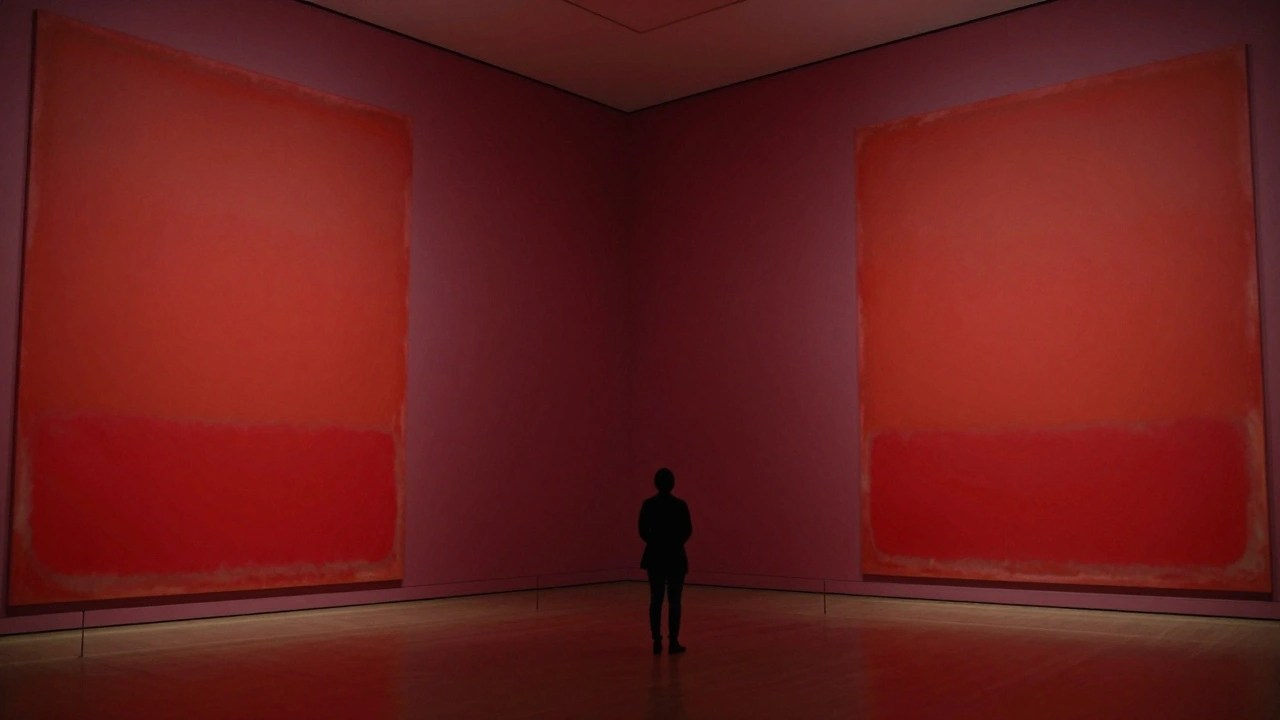
Then there's Mark Rothko. His rooms are a whole mood. Usually, you'll find a dedicated space where his massive, color-field paintings wrap around you. If you stand close to the canvas, the colors seem to vibrate. It's less about "what does this mean?" and more about "how does this make me feel?" It's the ultimate spot to slow down and actually breathe for a minute.
For something more visceral, hunt down the work of Francis Bacon. His paintings are often chaotic, depicting screaming figures or distorted bodies. They are uncomfortable to look at, but that's the point. He captures a level of raw human anxiety that still feels relevant today, even in a world full of digital noise.
| Artist | Style/Movement | What to Look For | Vibe |
|---|---|---|---|
| Pablo Picasso | Cubism | Geometric shapes & distorted perspective | Intellectual / Bold |
| Mark Rothko | Color Field | Huge blocks of deep, glowing color | Meditative / Somber |
| Francis Bacon | Expressionism | Distorted faces & isolated figures | Intense / Unsettling |
| Andy Warhol | Pop Art | Repetition & consumer products | Playful / Critical |
Current Exhibitions: What's Hot in April 2026
Right now, the spotlight is on the intersection of AI and physical medium. There's a fascinating show exploring how Generative AI is being used to create "living" sculptures that change shape based on the number of people in the room. It's a bit trippy and definitely a contrast to the oil paintings downstairs. It asks the question: can a machine actually have a "style," or is it just a really fast copycat?
Another major draw this season is the retrospective on mid-century African modernists. For too long, the narrative of "modern art" was centered on Paris and New York. This exhibition corrects that, showing how artists in Lagos and Dakar were experimenting with abstraction and political commentary long before the West caught on. The textiles and mixed-media pieces here are stunning, often incorporating found objects and traditional fabrics to tell a story of post-colonial identity.
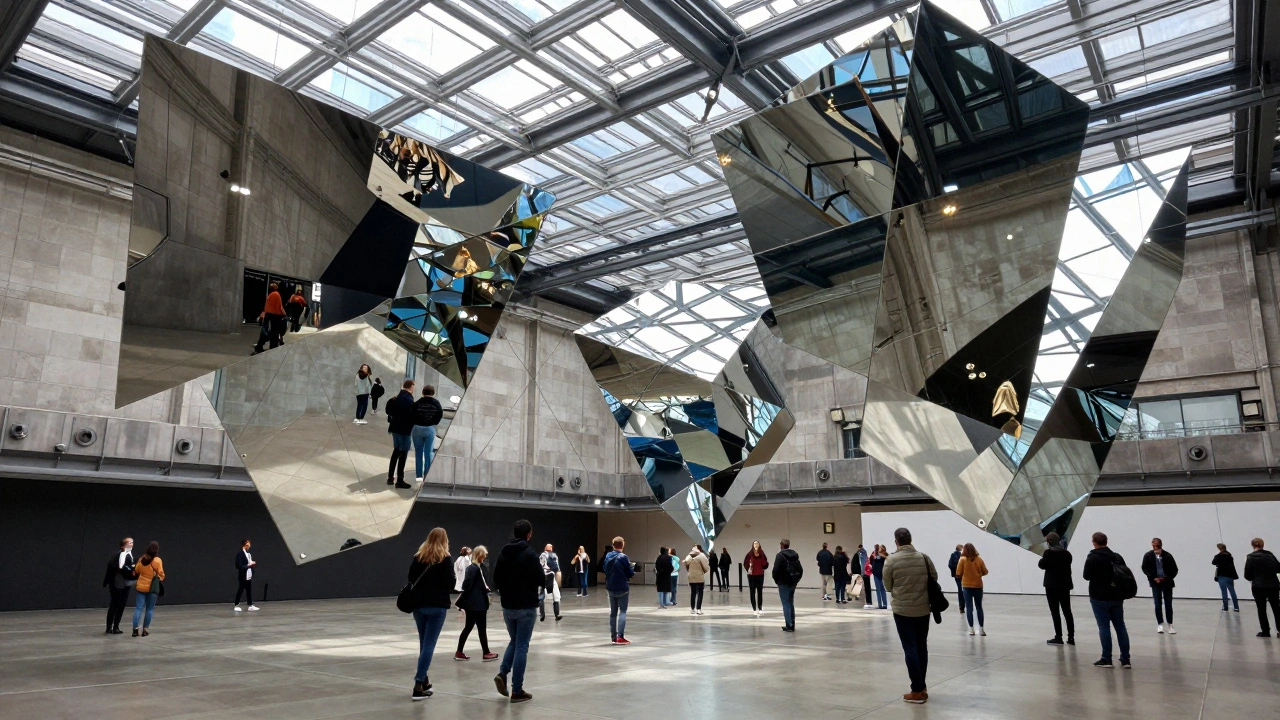
And of course, you have to check the Turbine Hall. Every time a new installation arrives, the entire energy of the building shifts. Currently, it's hosting a series of massive, suspended kinetic mirrors that reflect the sky and the crowds. It turns the visitors into part of the art. If you're looking for that one "Instagram shot" that actually looks like you're in London, this is where you get it.
Practical Tips: Avoiding the Crowd and the Stress
The Tate is free, which is great, but it means it can get packed. If you want to actually enjoy the art without someone's elbow in your ribs, aim for a Tuesday or Wednesday morning. Most people swarm the place on weekends. Also, don't forget to book your free timed entry slot online. Even though it's free, the queues for walk-ins can be brutal, especially during the summer months.
One pro tip: use the stairs in the Blavatnik building. Instead of taking the elevator, walk up the winding ramps. It gives you a gradual reveal of the art and the city. Also, the gift shop is legendary. Yes, it's expensive, but they have some of the best design books in the city. If you're into architecture or graphic design, it's a goldmine.
If you're feeling overwhelmed, head to the café. It's a great place to people-watch and digest everything you've seen. Just a heads up-the food is decent, but the real draw is the view of the Thames. Watching the boats go by while you think about the existential dread in a Bacon painting is a very "London" experience.
Connecting the Dots: How to Experience the Art
Art can be intimidating. You might feel like you're "missing the point" if you don't have a degree in art history. Here's a secret: you don't need one. The best way to engage with the Modern Art is to trust your gut. If a painting makes you feel angry, sad, or confused, the artist succeeded. The goal isn't always beauty; sometimes the goal is just to make you feel something.
Try this: find a piece you hate. Stand in front of it for three minutes. Ask yourself why you hate it. Is it the color? The subject? The fact that it looks like something a toddler could do? Often, the pieces we dislike the most are the ones that challenge our assumptions the most. That's where the actual learning happens.
Compare the works across different eras. Look at how the brushstrokes change from the late 1800s to the 1960s. You'll see a gradual stripping away of detail in favor of emotion and concept. This is the story of the Tate Modern: a map of how humans have tried to express the unexpressible over the last century.
Do I need to pay for entry to Tate Modern?
General admission to the permanent collections is free for everyone. However, special temporary exhibitions often require a paid ticket. Even for the free areas, it's a good idea to book a timed entry slot on their website to avoid long queues.
How long does it take to see the whole gallery?
You can't really see "everything" in one go without burning out. A focused visit usually takes 3 to 4 hours. If you're an art enthusiast and want to hit the Blavatnik building and the main galleries, plan for a full day.
Is the Tate Modern kid-friendly?
Yes, it is. The scale of the Turbine Hall is usually a hit with children, and the gallery provides family trails and activity packs to keep them engaged. Just be mindful of the fragile sculptures-keep the little ones close!
What is the best way to get to the museum?
The easiest way is by taking the Tube to St Paul's or Blackfriars and walking. Alternatively, the Millennium Bridge is a direct path from St Paul's Cathedral straight to the gallery entrance, offering a great view of the city along the way.
Where should I eat near the Tate Modern?
The on-site cafés are convenient for a quick coffee and sandwich. If you want something more substantial, head to Borough Market, which is just a short walk away. It's one of the best food spots in London and perfect for a post-art feast.
Next Steps for Your Art Journey
If you've fallen in love with the Tate Modern, your next stop should be the Tate Britain. While the Modern focuses on the 1900s onwards, Tate Britain covers the classics and the Turners. It's a much quieter experience and provides the necessary context for why the modern art is so revolutionary.
For those who prefer something a bit more "old school," the National Gallery in Trafalgar Square is the gold standard. Seeing the difference between the Renaissance masters there and the abstraction at the Tate Modern helps you understand the timeline of human creativity. If you're feeling adventurous, take a walk along the South Bank to the Southbank Centre for some free live music or a street performance to clear your head after all that high-concept art.