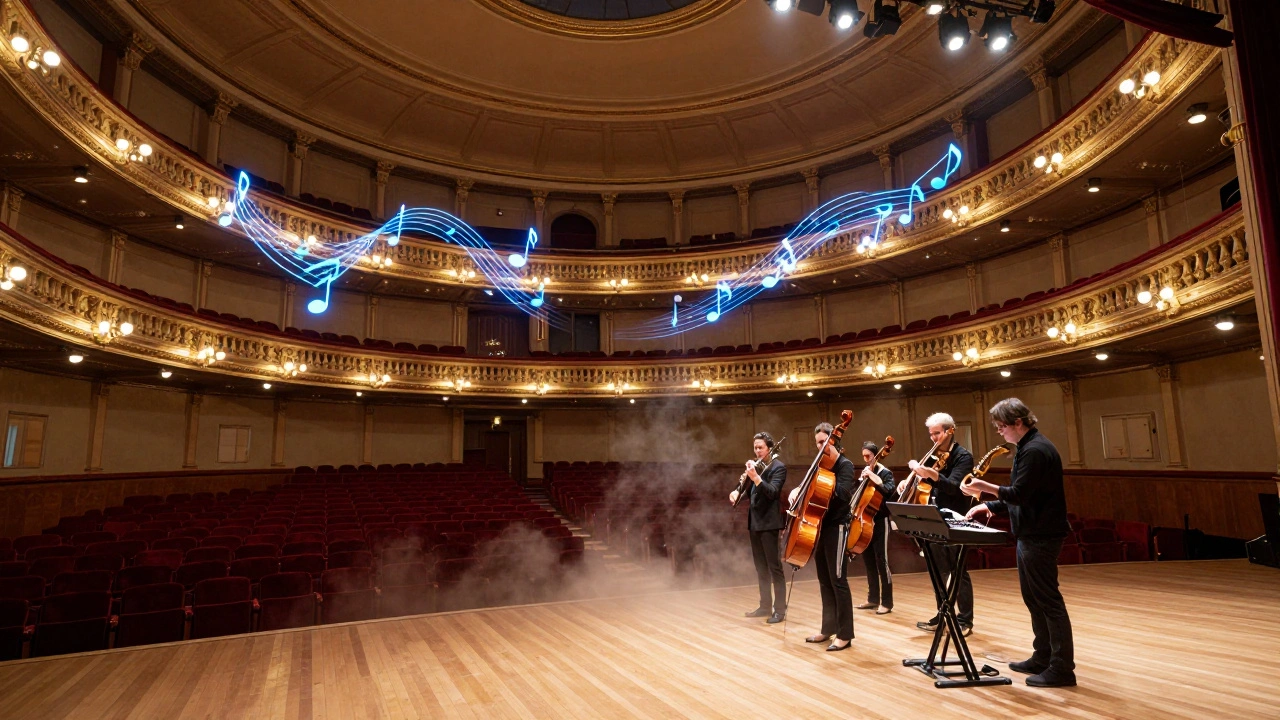
Why London’s Historic Stages Are Changing the Game
If you have always thought that opera goes only with opera, and jazz belongs strictly in smoky clubs, London might be ready to change your mind. In the capital right now, some of the most prestigious theatres are breaking down those traditional genre walls. Instead of just hosting their usual ballet runs or straight classical orchestral sets, these historic buildings are opening their doors to experimental cross-genre nights.
Royal Albert Hall is perhaps the most famous example of this shift. Located in Kensington, this iconic circular concert hall blends grand architecture with modern musical experimentation. You might walk in expecting Tchaikovsky but find yourself dancing along to an electronic reimagining of Beethoven. The acoustics here are world-class, designed in 1871, yet they support everything from rock bands to string quartets seamlessly.The appeal isn't just about novelty. It's about discovering the shared DNA between styles that usually sit far apart in the industry charts. When a pop vocalist collaborates with a symphony orchestra, or a hip-hop beatmaker samples baroque compositions, the result is often startlingly fresh. For residents and tourists alike, London's live music scene offers something unique that you won't easily find elsewhere: the ability to watch history get remixed in real-time.
The Barbican: An Industrial Hub for Artistic Collisions
Moving away from the more traditional brick-and-mortar feel, there is another location in the City of London that specializes in edgier crossovers. The Barbican Centre is known for its brutalist architecture and intense focus on multidisciplinary arts. If you are looking for something less polished than the West End, this is your spot.
This venue actively curates events where genres collide intentionally. A typical evening might feature a live electronics performance paired with contemporary dance, or a jazz ensemble interacting with visual artists. The sound system here handles distortion and high frequencies exceptionally well, making it a favorite for artists who push boundaries. Unlike standard concert halls that treat acoustic purity as a religion, the Barbican embraces texture. You can expect the unexpected when you buy a ticket here.
Pricing is generally tiered similarly to other major cultural institutions. While premium seats aren't cheap, the "Friends" membership schemes offer discounts that can save you money over a season. Because the programming is so varied, catching a single show might not tell the whole story of what the space can do. It acts almost like an experimental laboratory where sound meets architecture.
Sadler’s Wells and the Dance-Music Connection
Sometimes the best place to see a cross-genre performance isn't even labeled as a music venue primarily. Sadler’s Wells is the UK's premier dance theatre, but its recent programming heavily features live music collaborations that define a hybrid experience.
In 2025 and heading into this year, the venue has been commissioning works where choreographers and composers work side-by-side during rehearsal rather than meeting halfway through production. This results in performances where the rhythm dictates the movement and the movement shapes the melody. It is not just a dancer performing to pre-recorded tracks; it is a living, breathing interaction between musicians on stage and dancers in the spotlight.
Visiting this venue requires a bit of preparation. The schedule fills fast because these shows often tour afterwards, creating a scarcity effect. Bookings usually open three months in advance. The intimate atmosphere compared to larger halls means that every audience member feels close to the action, which heightens the sensory experience of the crossover elements.
| Venue Name | Primary Focus | Cross-Genre Strengths | Atmosphere Type |
|---|---|---|---|
| Royal Albert Hall | Classical/Concerts | Grand Orchestra + Pop/Rock | Festive, Grand |
| Barbican Centre | Contemporary Arts | Jazz + Visual/Electronic | Edgy, Brutalist |
| Sadler's Wells | Dance | Live Score + Movement | Intimate, Dark |
| Southbank Centre | Community/Culture | Jazz/World/Folk Fusions | Casual, Riverside |
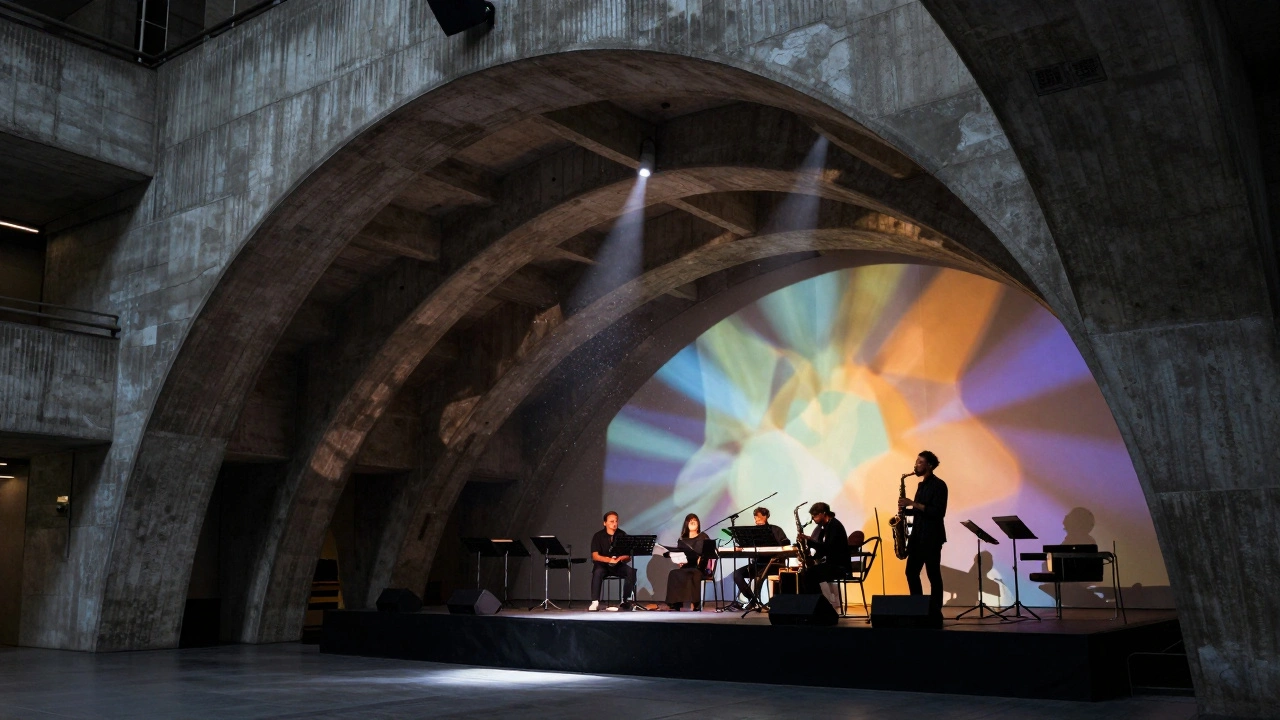
The Southbank Centre: Riverside Eclectic Vibes
While many venues in central London command high prices for exclusive access, the Southbank Centre maintains a different ethos. Located on the banks of the Thames, this complex hosts hundreds of events a year, including a massive focus on free public talks and accessible ticket options.
The Jazz Café inside the centre is legendary for its improvisation nights, often welcoming guests from outside London entirely. It has become a hub where American jazz giants meet British garage-house producers. What stands out about Southbank is the lack of pretension. You can dress casually, grab a drink from the cafe nearby, and settle into the Queen Elizabeth Hall without feeling out of place.
Accessibility is another factor that makes this venue stand out for cross-genre fans. The sightlines are generally better for wheelchair users compared to some older historic halls. The staff here is accustomed to handling large crowds coming from diverse backgrounds, ensuring that the environment remains welcoming regardless of whether you are a local regular or a visitor seeing the city for the first time.
The Roundhouse: Where History Meets Alternative Rock
You cannot talk about London's live music landscape without mentioning the The Roundhouse. Originally a Victorian train shed converted into a creative arts centre in the 1960s by Pink Floyd, it retains a raw energy that newer glass-walled auditoriums simply don't have.
For cross-genre seekers, this venue is particularly strong because it leans heavily into alternative and indie sounds that bleed into world music territories. It frequently hosts residencies where bands deconstruct songs from other cultures using modern instruments. The circular design of the room creates an echoey, immersive acoustic environment that suits ambient music and heavy percussion equally well.
Tickets here often sell out within days of release due to the venue's relatively small capacity compared to Wembley or O2 Arena. To avoid disappointment, setting up automated alerts for the venue's newsletter is a smart move. They also often host workshops alongside the shows, offering a deeper educational angle for those interested in the mechanics behind the genre blending.
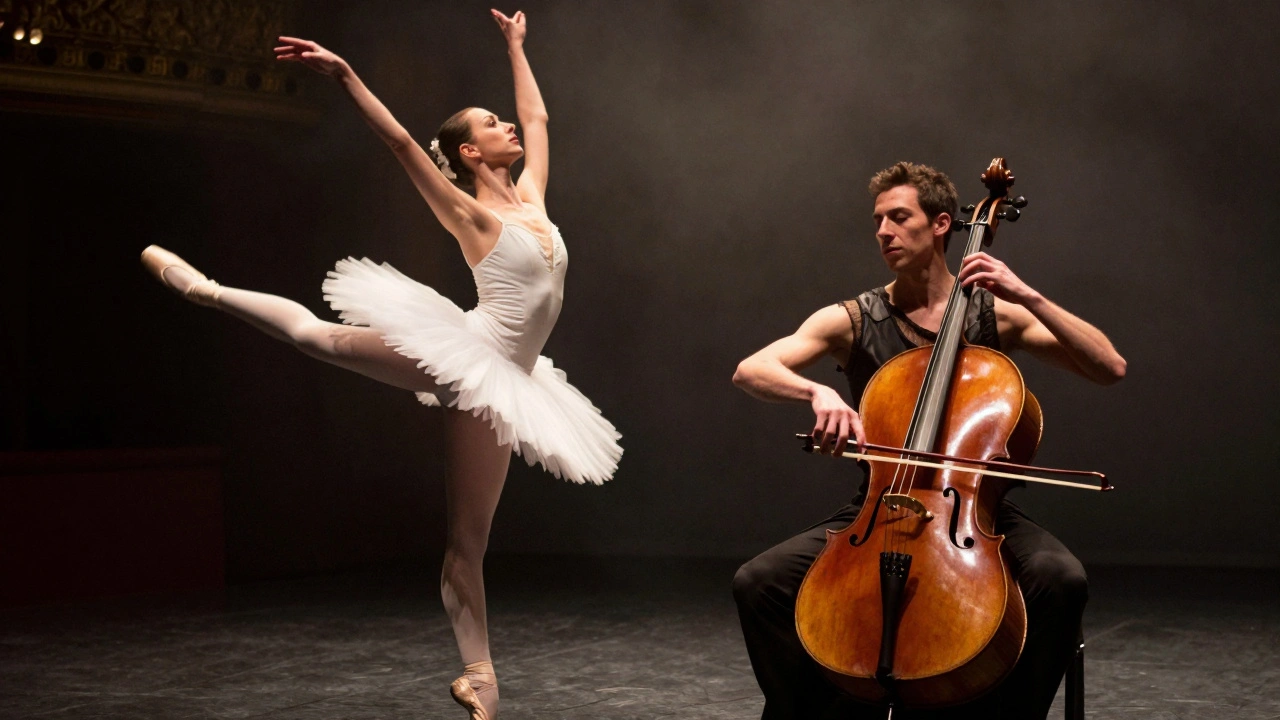
Choosing Your Night Out: Practical Advice
Deciding which venue to visit depends largely on what balance of genres you crave that evening. If you want high-fidelity audio mixing classical strings with synthesizers, the Royal Albert Hall is technically superior. However, if you want to see art happen in progress-the messy, beautiful parts where the composer is still sweating over the finale-Sadler's Wells or the Barbican offers that authenticity.
Timing matters significantly too. London's theatre seasons typically run from September to July, meaning late March (like now) is peak time. Prices tend to climb during school holidays and around Christmas. Mid-week evenings in January and February are historically the cheapest times to score great tickets for these crossover events.
Also, consider the geography. Transport links to the Barbican and Royal Albert Hall are direct via tube stations (Barbican Station and South Kensington respectively), whereas Sadler's Wells is near Old Street. If you plan on attending multiple shows, buying a London travelcard might cover the transit costs better than individual tickets.
Understanding the Economics of Cross-Genre Tickets
Ticket pricing for these mixed-bag events can sometimes seem opaque. Venues often price based on the star power of the performer rather than the technical nature of the event. A night where a pop singer joins an orchestra will naturally cost more than a workshop session led by two unknowns.
To keep costs down, look for “Standing Room Only” sections where available. At venues like the Southbank Centre, standing areas often provide the same acoustic quality as seated rows but at a fraction of the price. These spots are also dynamic; you can move around to different angles of the stage, which changes your listening perspective throughout the set.
Many organisations also run “Pay What You Can” initiatives. While these are rarer in commercial theatres, community-focused spaces often have a few subsidized seats. It is worth checking the website before booking directly to ensure you aren't paying third-party booking fees that can inflate the total bill by 15% or more.
What counts as a cross-genre night in London?
A cross-genre night typically involves a collaboration between artists from different musical styles performed in the same show. Examples include a hip-hop DJ working with a string quartet, or an opera singer performing jazz standards. It blurs the lines between established categories.
Do I need to know classical music to enjoy these shows?
Not at all. Most of these productions are designed specifically for modern audiences. While understanding the roots of the original material helps, the primary goal of these artists is accessibility and emotional resonance rather than academic correctness.
Which venue is best for a casual listener?
The Southbank Centre is likely the most relaxed option with a casual vibe and free food/drink zones. It is less intimidating than the formal Royal Albert Hall and has a reputation for welcoming diverse audiences without pressure.
How far in advance should I book tickets?
For popular crossover events, aim for 3 to 4 weeks prior. Niche shows at smaller venues like the Barbican may require last-minute bookings, while marquee events at Sadler's Wells often sell out months ahead.
Are there any specific dates to avoid for better value?
School half-term breaks in January, April, and October usually drive prices up and reduce availability. Try to schedule visits during term time evenings (Tuesday through Thursday) for the best rates.