Wood Flooring in London: Types, Trends, and Real Home Makeovers
When you think of wood flooring, a durable, natural surface made from solid or engineered timber, commonly used in homes for warmth and timeless appeal. Also known as hardwood floors, it’s one of the most trusted choices for Londoners who want a home that feels lived-in but never dated. It’s not just about looks—it’s about how it holds up in a city where humidity swings, foot traffic never sleeps, and every square foot counts.
London homes run the gamut: Victorian terraces with original floorboards, 1970s conversions with patched-in planks, and new builds with engineered wood glued straight to concrete. What ties them together? A growing preference for reclaimed wood, salvaged timber from old barns, factories, or demolished buildings, valued for its character, history, and lower environmental impact. You’ll see it in Shoreditch lofts, where each knot and scratch tells a story. It’s not just eco-friendly—it’s unique. And in a city full of copycat interiors, that matters.
Then there’s the rise of sustainable flooring, materials sourced responsibly, with low-VOC finishes and certifications like FSC or PEFC, designed to reduce harm to forests and indoor air quality. It’s no longer a niche. In 2024, over 60% of London homeowners asking for wood flooring specifically requested sustainably sourced options. Why? Because they know a floor lasts 50 years—and so should its ethics. From FSC-certified oak in Richmond to bamboo blends in Croydon, the shift is real, not just trendy.
And it’s not just about the wood itself. It’s about how it’s installed. In older London homes, you’ll find nails through the tongue, hidden under rugs. In newer builds, it’s click-lock systems over underfloor heating. Some people even mix wood with concrete in open-plan kitchens. The key? Matching the grain and tone to your space’s light, your furniture, and your lifestyle. A dark walnut might look stunning in a north-facing flat with no sun, but in a south-facing flat? It can feel heavy. Light ash? It brightens up cramped flats without looking cheap.
You’ll find wood flooring in homes where people cook, kids run, dogs scratch, and pets nap. It’s not just a design choice—it’s a daily decision. And in London, where space is tight and every upgrade needs to earn its place, wood flooring still wins because it doesn’t just look good. It lasts. It’s repairable. You can sand it down, refinish it, and make it feel new again. No other floor does that.
What you’ll find below are real examples from London homes—how people chose their wood, what they learned the hard way, and where to find the best local suppliers without paying premium prices. Whether you’re restoring a 1920s flat or building from scratch, these stories cut through the noise. No fluff. Just what works.
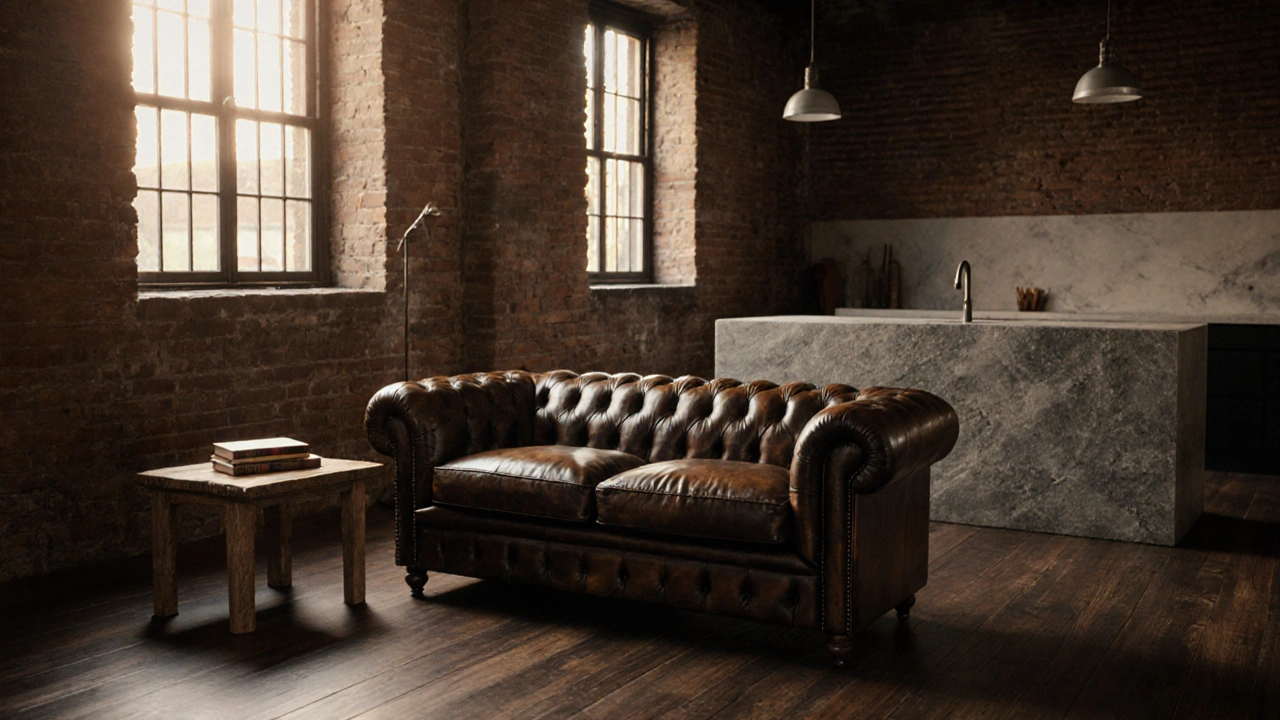
Natural Materials in Interior Design: Leather, Wood, and Stone
Discover why leather, wood, and stone are timeless choices for interior design-how they age, how to care for them, and why they create spaces that feel truly alive.
READ MORE