London’s pace doesn’t have to mean high-intensity workouts. If your joints ache, you’re recovering from injury, or you just want to move without burning out, low-impact exercise classes are quietly becoming the most popular way to stay active in the city. You won’t see them on Instagram reels or hear them shouted in CrossFit gyms-but if you’ve ever walked out of a class feeling stronger, not wrecked, you know why they’re growing.
What Makes an Exercise Low-Impact?
Low-impact means your body stays in contact with the ground most of the time. No jumping, no sudden jolts, no pounding. That doesn’t mean it’s easy. A gentle yoga flow can challenge your balance, core, and breath just as much as a sprint. The difference? Your knees, hips, and spine thank you the next day.
According to the NHS, low-impact activity is recommended for people over 50, those with osteoarthritis, or anyone recovering from surgery. But it’s not just for older adults. Younger people with chronic pain, postpartum recovery, or even desk-job stiffness are filling studios across London. Classes like Tai Chi, water aerobics, and seated strength are no longer niche-they’re mainstream.
Yoga in London: More Than Just Stretching
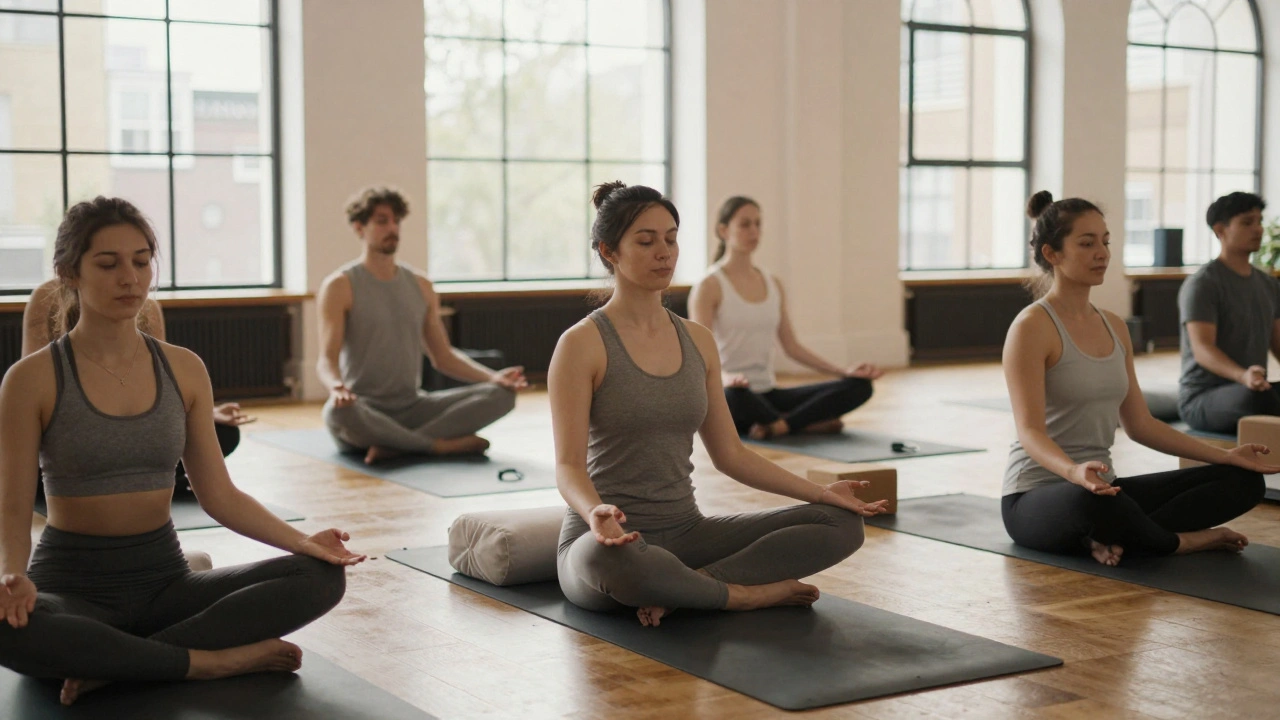
Yoga in London isn’t just about twisting into pretzels. The most popular classes now focus on gentle yoga-slow movements, supported poses with blocks and bolsters, and breathing techniques that calm the nervous system. Studios like The Yoga Barn in Notting Hill and Bloomsbury Yoga Centre offer classes labeled "Restorative," "Yin," or "Gentle Flow." These aren’t for advanced practitioners. They’re for people who need to rebuild mobility without strain.
One 2025 survey by London Wellness Collective found that 68% of participants in gentle yoga classes reported reduced lower back pain within six weeks. Another 57% said they slept better. The key? Consistency. One class a week won’t change much. Two to three, even for 30 minutes, starts shifting how your body feels over time.
Look for teachers who mention "adaptations" or "modifications" in their bios. Avoid classes labeled "Power Yoga" or "Hot Yoga" if you’re seeking relief. The best gentle yoga studios will let you try a class for free-no pressure to sign up.
Gentle Fitness: Strength Without the Strain
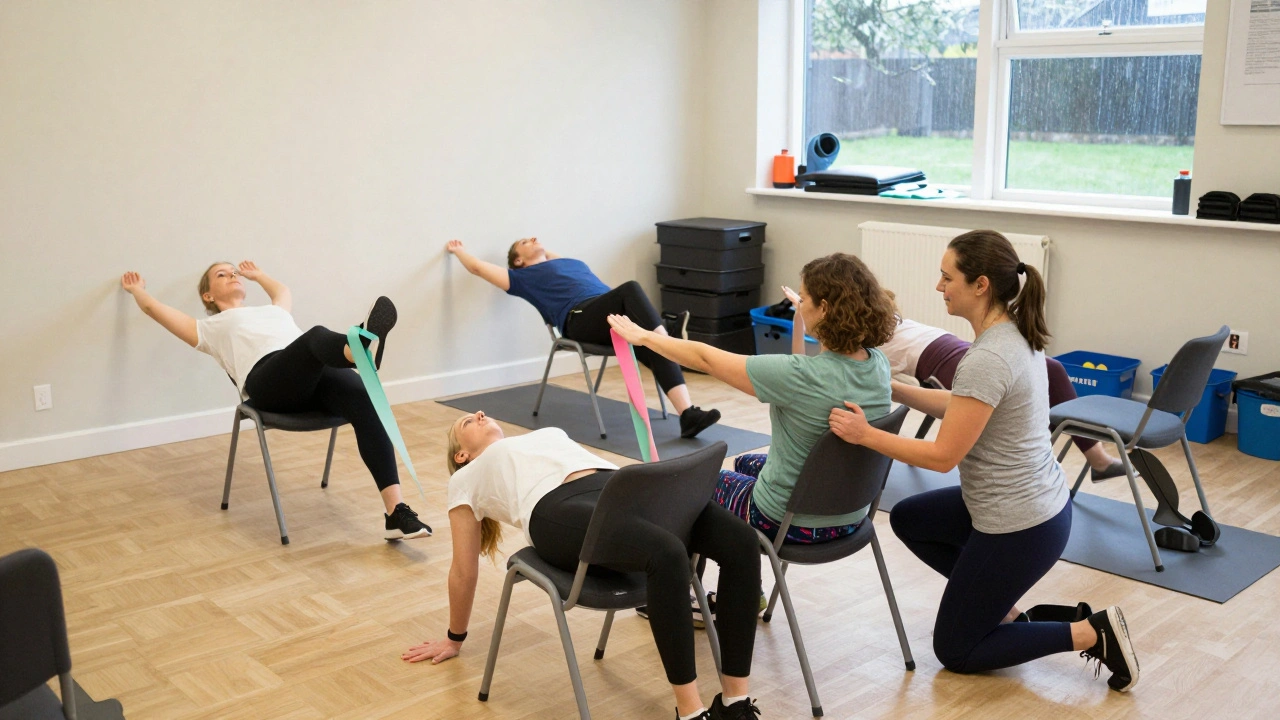
Forget dumbbells you can’t lift. Gentle fitness in London focuses on resistance bands, light weights (1-3kg), and bodyweight moves done slowly and with control. Think seated leg lifts, wall push-ups, and standing marches with arm circles. These classes are often held in community centers, libraries, or NHS-funded wellness hubs.
At the Southwark Leisure Centre, the "Move Well" program runs three times a week. It’s designed for people with joint pain, osteoporosis, or heart conditions. Participants use chairs for support and work at their own pace. No one gets left behind. No one is shouted at. The instructor, a former physiotherapist, adjusts every move based on what people can do that day.
Results? A 2024 study by King’s College London tracked 120 participants in similar programs. After 12 weeks, they improved their balance by 41%, increased their walking speed by 18%, and reported less reliance on painkillers. The biggest surprise? Many said they felt more confident going up stairs or standing from a chair without help.
Where to Find These Classes in London
You don’t need to hunt far. Most boroughs have at least one low-impact option. Here’s where to start:
- Central London: Bloomsbury Yoga Centre (WC1), The Pilates Space (W1), and the Royal Free Hospital’s Wellness Program (NW3) offer free or subsidized classes for residents.
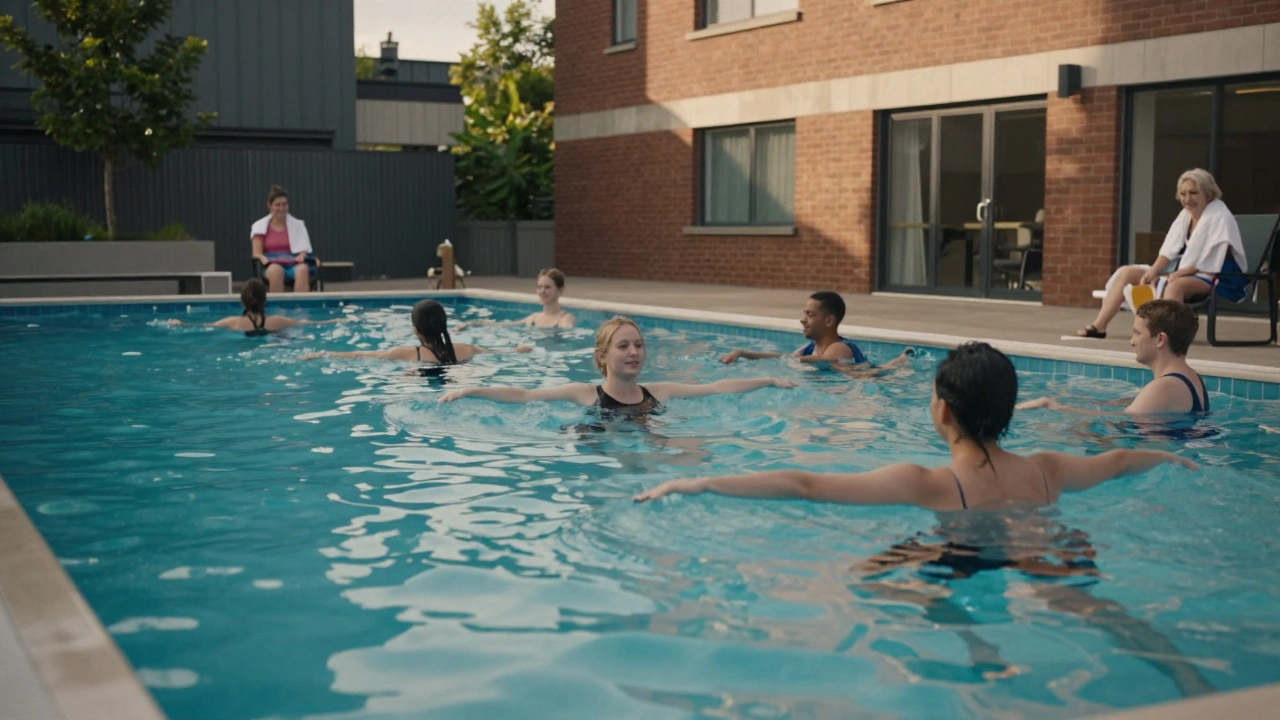
- South London: Peckham Library runs "Gentle Movement Mondays" with a physio-led class. Brixton Recreation Centre has a weekly water aerobics session in their heated pool.
- North London: Camden Community Centre offers "Chair Yoga & Strength" on Wednesdays. Haringey Council funds a monthly "Walk & Talk" group that blends light walking with mindfulness.
- East London: Tower Hamlets Leisure Centre has a "Pain-Free Movement" class designed with input from local arthritis patients.
Check your local council’s website. Many list wellness programs under "Adult Social Care" or "Healthy Living." Some are free. Others cost £5-£8 per session-far less than a private personal trainer.
What to Look for in a Class
Not all "gentle" classes are created equal. Here’s what to watch for:
- Teacher training: Look for instructors with certifications in physiotherapy, osteopathy, or senior fitness. A yoga teacher with a background in anatomy is better than one who just did a 20-hour online course.
- Class size: Smaller groups (under 10 people) mean more personal attention. You’ll get help adjusting your posture safely.
- Equipment: Good classes provide blocks, straps, chairs, and cushions. If you’re expected to bring your own mat and nothing else, it’s probably not designed for mobility issues.
- Atmosphere: No mirrors. No competition. No loud music. If the room feels like a spa, not a gym, you’re in the right place.
Ask before you sign up: "Can I sit this out if I need to?" If the answer is anything but "yes," keep looking.
Why This Matters More Than Ever in 2026
London’s population is aging. By 2030, nearly 1 in 4 residents will be over 65. At the same time, more people are living with chronic conditions like arthritis, diabetes, and heart disease. The NHS is pushing community-based movement programs because they reduce hospital visits.
Low-impact exercise isn’t about getting fit for a photo. It’s about keeping your independence. It’s about being able to carry groceries, play with your grandkids, or walk to the bus without pain. It’s about feeling like your body still works for you-not against you.
And in a city that moves fast, choosing slow movement is a quiet act of rebellion. You’re not falling behind. You’re building something more lasting.
Getting Started: Your First Step
Start small. Pick one class. Go once. Don’t worry about doing it perfectly. If you feel better afterward-even just a little-you’ve already won.
Try this:
- Search your borough’s website for "low-impact exercise" or "gentle movement."
- Call the venue and ask if they offer a free trial.
- Wear comfortable clothes and bring water.
- Arrive 10 minutes early. Tell the instructor you’re new and have any joint issues.
- After class, write down how you felt-physically and mentally.
Repeat. Week after week. That’s how change happens.
Are low-impact classes safe for people with arthritis?
Yes. Low-impact exercise is one of the most effective ways to manage arthritis. Movement keeps joints lubricated and reduces stiffness. Studies from Arthritis UK show that people who do gentle yoga or water-based exercise three times a week reduce joint pain by up to 40% over three months. Always avoid high-impact moves like jumping or deep lunges, but slow, controlled motion is safe and healing.
Can I do these classes if I’m overweight?
Absolutely. Many gentle fitness classes are designed for all body types. Chairs, resistance bands, and floor support make movement accessible regardless of weight. In fact, low-impact exercise is often recommended for people with obesity because it’s easier on the joints than running or high-intensity workouts. The goal isn’t to lose weight fast-it’s to move more, feel stronger, and build confidence over time.
Do I need special equipment?
Most studios provide everything you need: mats, blocks, straps, chairs, and light weights. You just need comfortable clothing that lets you move. If you have a personal mat you like, bring it-but it’s not required. Avoid classes that insist you buy expensive gear. Real gentle fitness is about accessibility, not branding.
How often should I attend?
Twice a week is the sweet spot for noticeable improvement. Once a week helps maintain mobility. Three times a week can lead to real strength gains. Even 20 minutes a session counts. Consistency matters more than duration. If you miss a week, don’t stress. Just come back when you can.
What if I feel pain during class?
Stop immediately. Gentle exercise should never hurt. There’s a difference between muscle fatigue and joint pain. If you feel sharp, shooting, or stabbing pain, tell the instructor. They should adjust your position or offer a modification. If they don’t, leave. Your safety comes first. There are plenty of other classes that will respect your limits.
Next Steps: Keep Moving
Low-impact classes aren’t a temporary fix. They’re a long-term habit. The people who stick with them don’t do it because they’re trying to get ripped. They do it because they can finally walk to the park without pain. They can carry their own bags. They can get up from the sofa without needing a hand.
London has more options than ever. You just have to take the first step-slowly, safely, and without pressure. Your body will notice. So will your mind.