Theatre Sightlines: Best Views, Design Secrets, and Accessible Seats in London
When you buy a ticket to a play in London, you’re not just paying for the performance—you’re paying for a theatre sightlines, the unobstructed visual path from your seat to the stage that determines whether you see every gesture, every expression, every moment that makes live theatre powerful. Also known as stage visibility, it’s the quiet science behind why some seats feel magical and others leave you craning your neck or missing half the action. It’s not just about being close to the stage. A seat three rows back in the centre can give you a better view than the front row if the rake, balcony overhang, or pillar placement blocks your line of sight. Many people assume the best seats are always the expensive ones, but that’s not always true. Some of London’s oldest theatres—like the Old Vic or the Globe—have steeply raked auditoriums designed to keep every row clear, while newer venues sometimes cut corners with wide balconies or narrow aisles that ruin the experience.
Behind every great theatre design, the careful planning of stage height, seating angle, and audience flow that ensures clarity and comfort for every viewer is a team of architects and stage designers who treat sightlines like a puzzle. They use computer modeling to simulate thousands of viewing angles before a single seat is installed. At the National Theatre and the Royal Opera House, they even test sightlines with mannequins of different heights to account for people in wheelchairs, children, or those sitting with tall companions. This isn’t just about luxury—it’s about fairness. That’s why accessible theatre London, the commitment to making performances visible and enjoyable for people with mobility, vision, or hearing differences has become a major focus. Places like the Barbican and the Young Vic now offer detailed sightline maps online so you can pick a seat that works for you, not just one that’s cheapest.
You don’t need to be a theatre expert to know if your seat is good. Look for signs of obstruction: are there pillars? Is the balcony too low? Does the row in front of you have a high backrest? Check reviews from people who’ve sat in the same seat before. Many theatres now label seats as "optimal view," "slight obstruction," or "excellent for mobility access." And if you’re unsure, call ahead. Staff at places like the West End’s Apollo Victoria or the Donmar Warehouse will tell you exactly where the blind spots are. The best seats aren’t always the most expensive—they’re the ones where you don’t have to guess what’s happening on stage. What you’re about to read in these posts isn’t just a list of shows. It’s a guide to where the design works, where it doesn’t, and how to make sure you never miss a moment again.
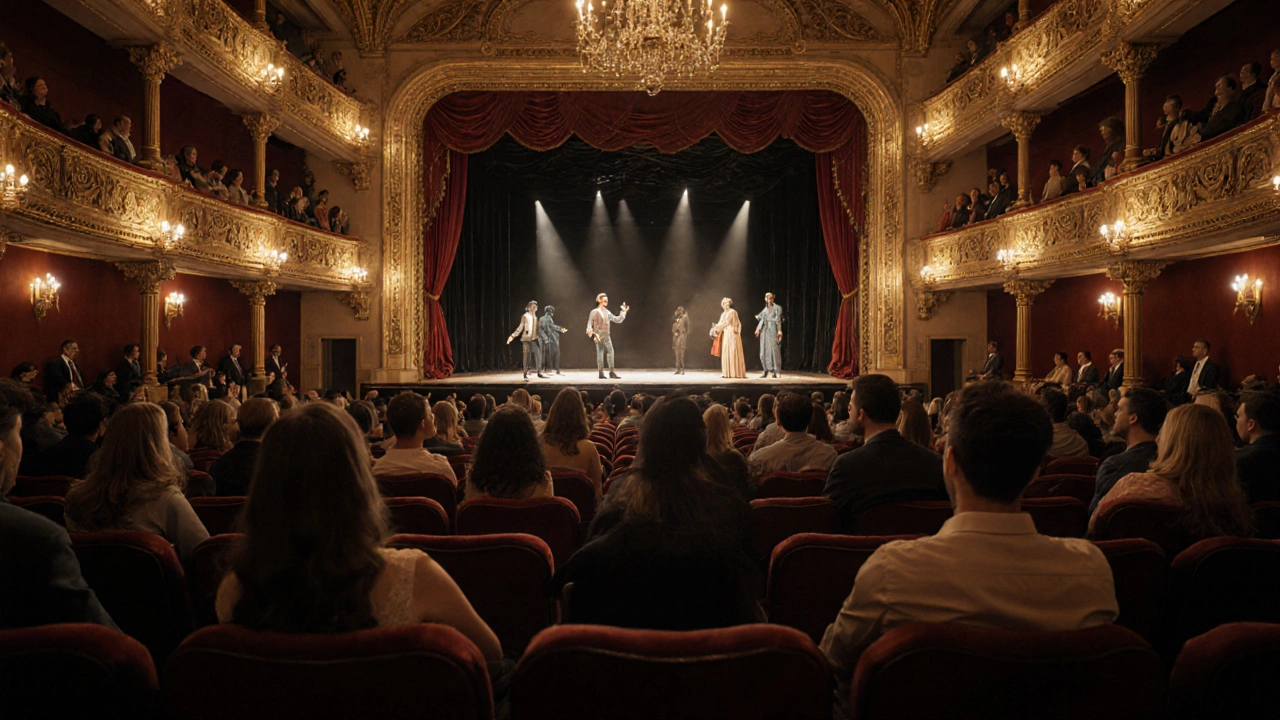
Best Seats in Popular London Theatres: Sightlines and Value
Discover the best seats in London's West End theatres without overspending. Learn where to sit for clear sightlines, great sound, and real value - from stalls to Royal Circle.
READ MORE