Stonehenge Visit: What to Know Before You Go
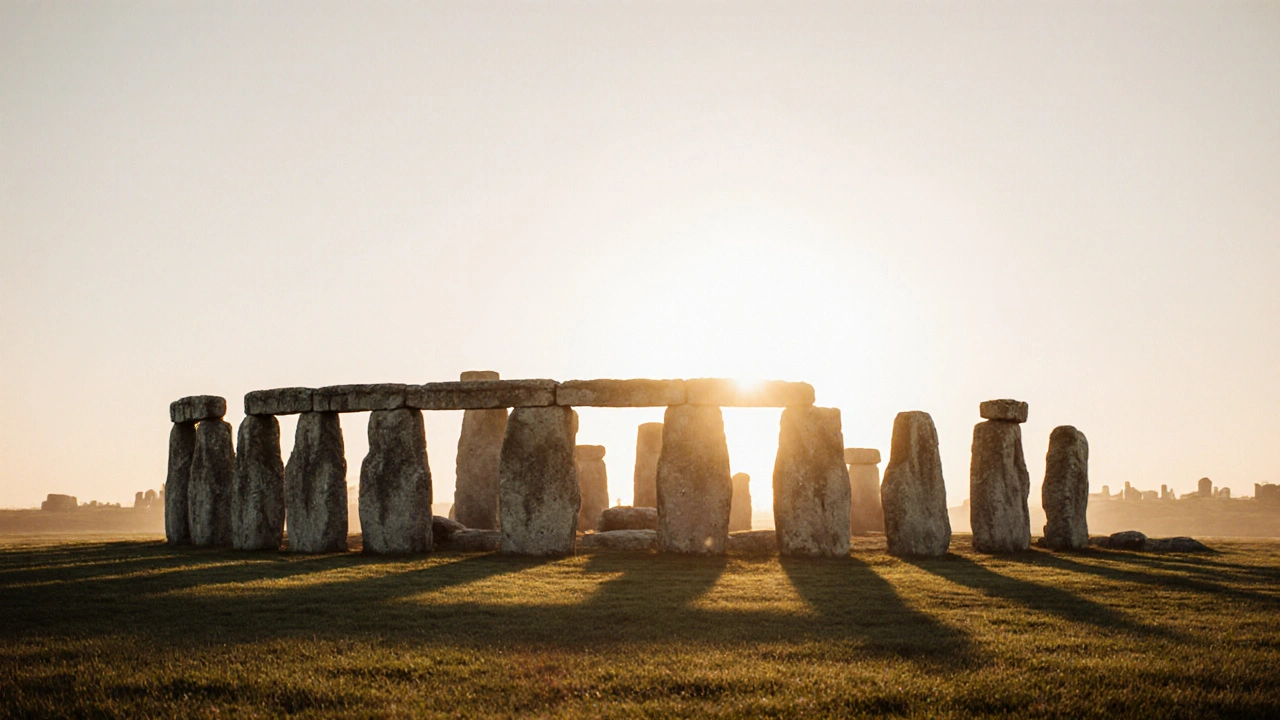
When you plan a Stonehenge visit, a prehistoric stone circle in Wiltshire, England, believed to have been built over 5,000 years ago. Also known as Stonehenge monument, it’s one of the most visited and mysterious archaeological sites in the world. This isn’t just a photo op. It’s a place where ancient astronomy, engineering, and ritual meet—and you don’t need a history degree to get something out of it.
Most people think Stonehenge is just a ring of big rocks. But the real story is deeper. The stones aren’t local—they were dragged from over 150 miles away, some from Wales. How? No one knows for sure, but the effort alone tells you this wasn’t just decoration. It was sacred. And it wasn’t built in one go. Archaeologists found layers of activity spanning centuries. The site aligns with the summer and winter solstices, meaning the builders tracked the sun with incredible precision. This isn’t folklore. It’s science, confirmed by decades of research.
Planning your Stonehenge visit? Skip the crowded tour buses. Arrive early or go late—ticket times are strict, but the quiet hours make all the difference. You can walk right up to the stones during sunrise or sunset tours, something you can’t do during regular hours. The visitor center has a free shuttle, but if you’re up for a 2-mile walk, the path from the nearby car park gives you a slow reveal of the stones—like the ancients might’ve experienced. And don’t just stop at the circle. Walk around the perimeter. Look at the ditches, the mounds nearby. Those are burial sites. The whole landscape is part of the story.
Many visitors combine their Stonehenge visit, a prehistoric stone circle in Wiltshire, England, believed to have been built over 5,000 years ago. Also known as Stonehenge monument, it’s one of the most visited and mysterious archaeological sites in the world. with a trip to Salisbury, a historic cathedral city in Wiltshire, home to the tallest church spire in the UK and a well-preserved medieval center. Also known as Salisbury Cathedral city, it’s the closest town with good transport links to Stonehenge. The cathedral there has the original Magna Carta. You can grab lunch at a local pub, then drive or take a bus back to Stonehenge in the afternoon. It’s a full day, but you’re not just seeing a monument—you’re walking through layers of British history.
There’s no magic spell here. No aliens. No secret codes. Just human ingenuity, patience, and belief. That’s what makes it powerful. Whether you come for the mystery, the photos, or the quiet awe of standing among stones older than the pyramids, you’ll leave with more than a memory. You’ll understand why people still come here—not to worship, but to wonder.
Below, you’ll find real stories, tips, and insights from people who’ve made the trip—what worked, what didn’t, and how to make your own Stonehenge visit feel personal, not just touristy.
Stonehenge and Bath: The Perfect Weekend Trip from Manchester
A perfect weekend trip from Manchester to Stonehenge and Bath, blending ancient mystery with Georgian charm. Explore 5,000-year-old stones and Roman hot springs in just two days.
READ MORE