London doesn’t just have music-it breathes it. Walk down any street in Camden, Shoreditch, or Soho, and you’ll hear bass thumping through open doors, guitar riffs drifting from basement bars, or soulful vocals echoing off brick walls. If you’re looking for the best live music venues in London, you’re not just hunting for a place to sit down-you’re chasing moments that stick with you long after the last note fades.
What Makes a Great Live Music Venue?
Not every venue with a stage is worth your time. A great live music spot balances sound, atmosphere, and access. It’s not just about big-name acts. It’s about how the room feels when the lights dim. Is the acoustics clean, or does the bass rattle your teeth? Can you actually see the artist without standing on a chair? Are the staff friendly, or do you feel like an intruder?
Some places prioritize luxury. Others thrive on grit. The best venues in London do both. They let you feel the raw energy of a band in a tiny room one night, then blow you away with a symphony under a glass dome the next.
The O2 Arena
If you want to see a global superstar perform, The O2 Arena is where it happens. Opened in 2007, this 20,000-seat venue on the Greenwich Peninsula hosts the biggest names in pop, rock, and hip-hop. Beyoncé, Ed Sheeran, and Taylor Swift have all sold out multiple nights here. The sound system? Built by L-Acoustics-used in stadiums worldwide. The sightlines? Nearly perfect. You won’t feel like you’re in the last row, even if you are.
But don’t just come for the headliner. The O2 also has smaller clubs inside, like Indigo at The O2, where up-and-coming artists play to 2,000 fans. It’s the only place in London where you can catch a rising star tonight and see them headline the main stage in two years.
Camden Assembly
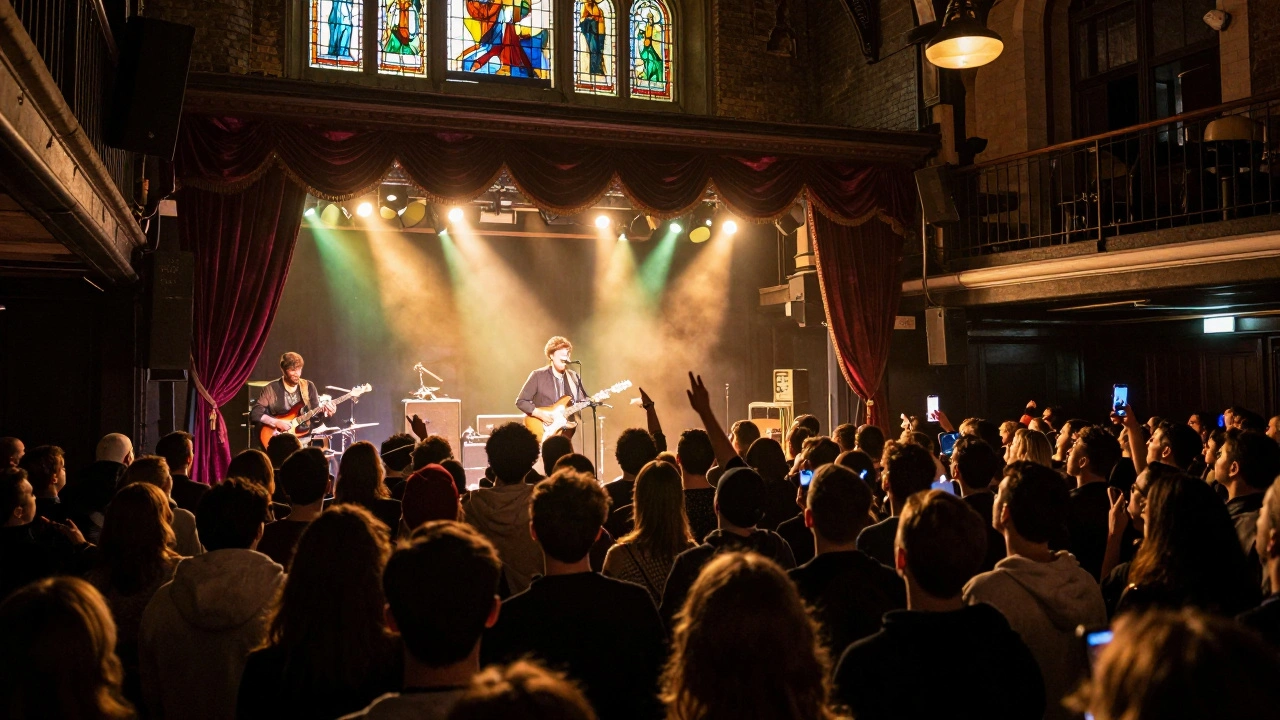
Camden has always been the heartbeat of London’s underground scene. And Camden Assembly (formerly KOKO) is its crown jewel. This 1,000-capacity venue sits inside a restored 19th-century theatre. The original stained glass, velvet curtains, and wooden balconies give it a timeless feel. The sound? Warm, rich, and surprisingly clear for a space this old.
Artists like Hozier, Florence Welch, and Arctic Monkeys played here before they were household names. These days, you’ll find indie rock, punk, and experimental pop acts filling the room. The bar is packed, the crowd is loud, and the vibe? Unfiltered. If you want to feel like you’re part of something raw and real, this is your spot.
Royal Albert Hall
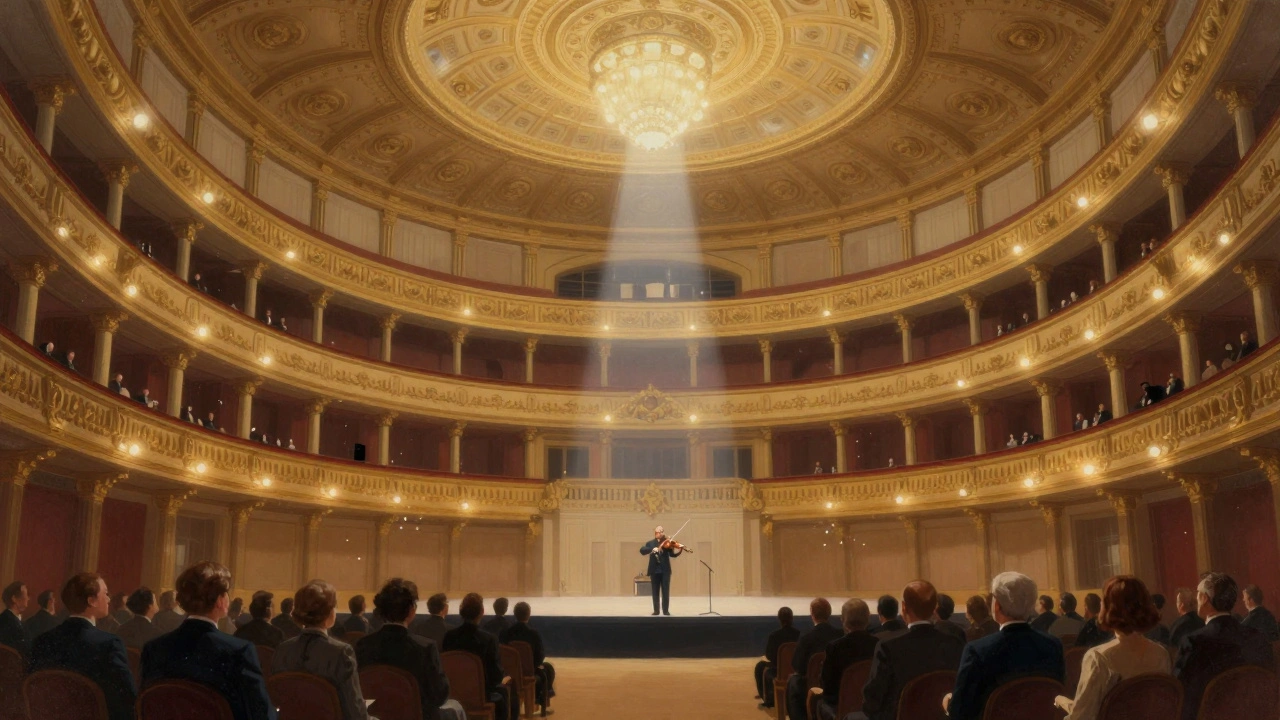
It’s not just a concert hall. It’s a monument. The Royal Albert Hall, built in 1871, is one of the most iconic buildings in London. Its circular design, soaring dome, and golden balconies make it look like a palace built for kings. But it’s not just for classical music. While it hosts the BBC Proms every summer, it also welcomes legends like Paul McCartney, Adele, and David Bowie (who performed here in 2000).
The acoustics are legendary. No electronic amplification is needed-even a solo violin fills every corner. The seating is tiered, so even the cheapest ticket gives you a decent view. If you’ve never been here, go for a night with no big-name act. Just sit back, listen to a chamber orchestra, and feel the weight of history in every note.
Shepherd’s Bush Empire
Just a short tube ride from Notting Hill, Shepherd’s Bush Empire is the perfect middle ground between intimacy and scale. With a capacity of 2,300, it’s large enough for major tours but small enough that you can feel the sweat on the singer’s brow. Opened in 1903 as a theatre, it was reborn as a music venue in the 1990s.
It’s hosted everyone from Radiohead to Amy Winehouse. The sound is crisp, the lighting is moody, and the crowd? Always hype. The venue’s layout means you’re never too far from the stage. Even the back row feels connected. And if you get there early, you can grab a pint in the old-style pub next door that’s been there since 1899.
Electric Brixton
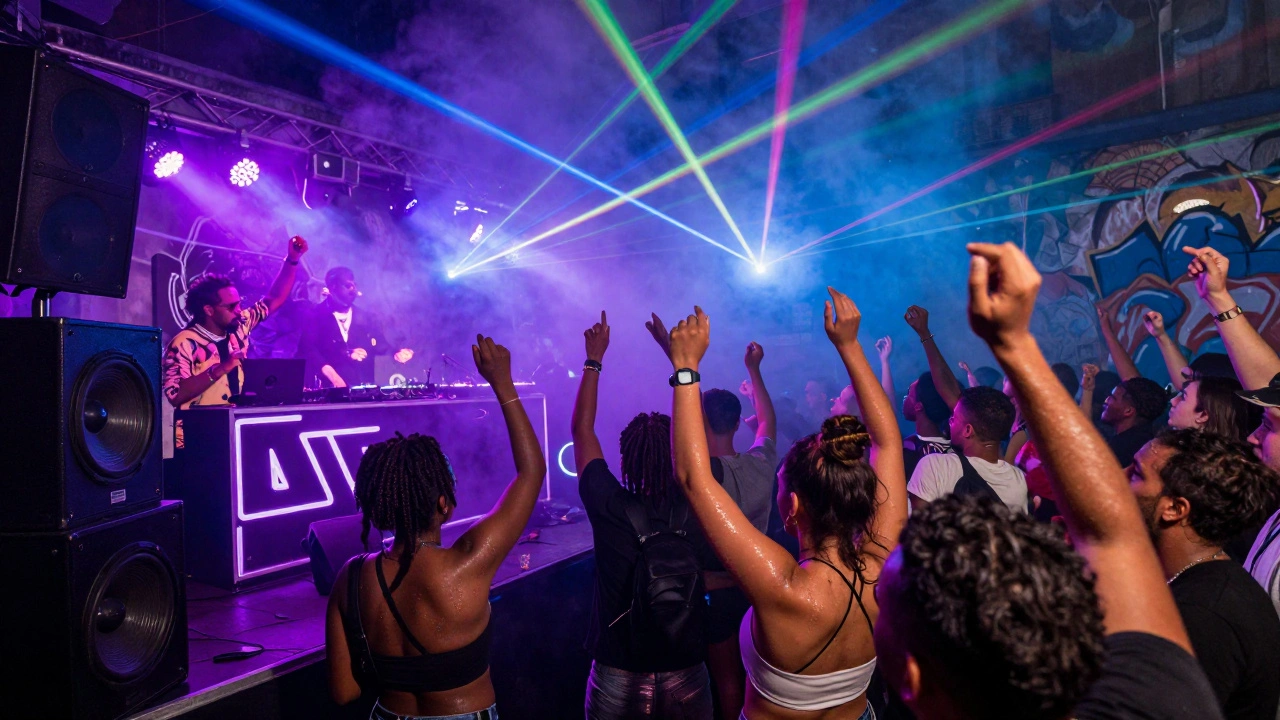
Down in South London, Electric Brixton is where the city’s most vibrant, diverse music scenes collide. Formerly the Brixton Academy, this 4,000-capacity venue has been reinvented as a hub for electronic, hip-hop, afrobeats, and garage. It’s not just a club-it’s a cultural center.
Artists like Stormzy, Jorja Smith, and Burna Boy have turned sold-out nights here into moments of national pride. The sound system is state-of-the-art, with subwoofers that make your chest vibrate. The crowd? Young, loud, and full of energy. The lighting? A kaleidoscope. This is where London’s future sound is being made.
Ronnie Scott’s Jazz Club
If you’re after something quieter but just as powerful, head to Ronnie Scott’s in Soho. Opened in 1959, this is the oldest jazz club in London-and one of the most respected in the world. The walls are lined with photos of legends: Miles Davis, Ella Fitzgerald, John Coltrane. The air smells like old wood, cigarette smoke (yes, it’s still allowed in the bar area), and good whiskey.
It’s small-only 150 seats. You’re close enough to see the drummer’s fingers fly, hear the saxophonist’s breath as he shifts between notes. The sound is intimate, warm, and never overproduced. Book ahead. You don’t just walk in here. You earn your spot.
Union Chapel
Tucked away in Islington, Union Chapel is a hidden gem. This 1870s Gothic revival church turned concert space feels like stepping into another world. The high ceilings, stained glass, and pipe organ create an echo that lingers like a prayer. It’s not loud. It’s not crowded. It’s sacred.
Artists like Nick Cave, Björk, and Sufjan Stevens have performed here. The acoustics are so perfect that even an acoustic guitar sounds like a full orchestra. The crowd sits in silence. You don’t clap between songs. You wait. And when the music ends, you don’t rush out. You just sit there, still, letting it sink in.
Clapham Grand
Don’t sleep on Clapham Grand. This 1,500-capacity venue in South London reopened in 2022 after a £12 million renovation. It’s a mix of Victorian grandeur and modern sound tech. Think crystal chandeliers, velvet seats, and a 12,000-watt PA system.
It’s become the go-to spot for alternative rock, post-punk, and synth-pop acts. Bands like The 1975 and Fontaines DC have played surprise sets here. The bar is open late. The staff remembers your name. And the view from the balcony? Unbeatable. It’s the kind of place that feels like it was made for you.
How to Choose the Right Venue for You
Not every gig needs to be a spectacle. Here’s how to pick the right one:
- Want big energy? Go to The O2 or Electric Brixton. These are for nights you’ll remember because of the crowd, not just the music.
- Prefer intimacy? Try Ronnie Scott’s, Union Chapel, or Camden Assembly. You’ll hear every note, every pause, every breath.
- Looking for discovery? Hit up smaller venues like Clapham Grand or Shepherd’s Bush Empire. You might leave with a new favorite band.
- Love history? Royal Albert Hall and Union Chapel are living museums. You’re not just listening-you’re part of a legacy.
Check setlists before you go. Many venues post their upcoming shows online. And don’t wait until the last minute-London’s best venues sell out fast, even for mid-tier acts.
Final Tip: Go Early, Stay Late
The best moments don’t always happen during the main set. Arrive early. Talk to the people in line. Listen to the opening act. Stay after the encore. Some of the most unforgettable gigs I’ve had in London were the ones where I didn’t even know the artist’s name when I walked in. By midnight, I was singing along.
Music isn’t just something you watch in London. It’s something you live. Find your spot. Let it pull you in. And don’t be surprised if you leave with more than just a memory-you’ll leave with a new soundtrack to your life.
What’s the best live music venue in London for new artists?
Camden Assembly and Clapham Grand are the top spots for emerging talent. Both venues regularly book unsigned and rising acts before they hit the mainstream. Camden Assembly, in particular, has a history of launching careers-artists like Florence Welch and Hozier played here before they became famous. If you want to catch someone before they’re on Spotify’s viral list, this is where you’ll find them.
Are there free live music venues in London?
Yes. Many pubs and bars in areas like Shoreditch, Brixton, and Peckham host free live sessions, especially on weekdays. The Troubadour in Earl’s Court and The Half Moon in Putney are two long-standing spots where local bands play for free. These aren’t big stages, but the quality is high, and you’ll often hear music you won’t find anywhere else. Bring cash for drinks, though-these venues rely on bar sales.
Which London venue has the best sound quality?
Royal Albert Hall and Union Chapel are widely considered to have the best natural acoustics in the city. Neither relies on heavy amplification-sound travels beautifully through their architecture. For amplified music, Electric Brixton and The O2 Arena use top-tier systems (L-Acoustics and d&b audiotechnik) that deliver crystal-clear audio even at full volume. If you care about sound, these are your top picks.
Can you bring kids to live music venues in London?
It depends. The O2 Arena, Royal Albert Hall, and Shepherd’s Bush Empire are family-friendly and often host kid-friendly shows. Some venues, like Ronnie Scott’s and Camden Assembly, have age restrictions (usually 14+ or 18+) due to licensing. Always check the event page. Many venues offer family tickets or early shows designed for younger audiences-especially during school holidays.
How far in advance should I book tickets for London music venues?
For major acts at The O2, Royal Albert Hall, or Electric Brixton, book as soon as tickets go on sale-often weeks or months ahead. For smaller venues like Camden Assembly or Union Chapel, tickets usually sell out 1-2 weeks before the show. Set up alerts on Ticketmaster, Skiddle, or the venue’s own website. Some gigs, especially surprise shows, only announce 24-48 hours in advance.
Next Steps
Start by picking one venue you’ve never been to. Check their upcoming schedule. Buy a ticket. Go alone. Sit near the back. Let the music take over. You don’t need to know the artist. You don’t need to sing along. Just listen. London’s music scene isn’t about fame-it’s about feeling. And it’s waiting for you.