State Occasions Attire: What to Wear to Royal Events and Formal Ceremonies in London
When you’re invited to a state occasion, a formal event hosted by the British monarchy to mark national milestones like coronations, state funerals, or royal weddings. Also known as royal ceremonial events, these gatherings follow strict traditions that go beyond just looking fancy—they’re about respect, history, and national identity. Whether it’s the State Opening of Parliament or a royal garden party at Buckingham Palace, the right attire isn’t optional. It’s part of the ritual.
State occasions demand clarity in dress. For men, that usually means a morning coat with striped trousers for daytime events, or a white tie ensemble for evening galas. Women wear day dresses with hats or full-length evening gowns, often paired with tiaras or formal headpieces. These aren’t suggestions—they’re expectations. The Royal Family and their guests follow these rules because they’re tied to centuries of protocol. Even today, when you see footage of the Queen’s funeral or Prince William’s investiture, every outfit is chosen with care. It’s not about fashion; it’s about signaling belonging. You don’t need to be royalty to understand this, but you do need to know the rules if you’re attending.
Related to this are ceremonial dress code, the set of unwritten but universally recognized standards that dictate what’s acceptable at formal state functions. This includes everything from the type of fabric (silk, wool, velvet) to the placement of medals and the color of gloves. Then there’s royal event clothing, the specific garments worn by dignitaries, foreign heads of state, and invited guests. These aren’t just clothes—they’re cultural artifacts. For example, the tradition of women wearing hats at royal events isn’t about style—it’s about visibility, tradition, and even gender roles dating back to the 19th century. And while some rules have relaxed, like the requirement for men to wear top hats at certain events, others remain rigid. Missing the mark can mean being turned away at the door.
London is where these traditions are lived, not just observed. You’ll find the most detailed examples in the archives of the V&A’s costume collection, in the photos from the coronation of King Charles III, or in the carefully curated outfits worn by ambassadors at the State Banquet. These aren’t just events—they’re living history. And if you’re planning to attend one, whether as a guest, a journalist, or even a spectator lining the streets, knowing what to wear isn’t about impressing others. It’s about honoring the occasion.
Below, you’ll find real examples from recent London events that show exactly how these rules play out in practice—from the hats worn at Ascot to the formal gowns seen at the State Opening of Parliament. No guesswork. No fluff. Just what you need to know to get it right.
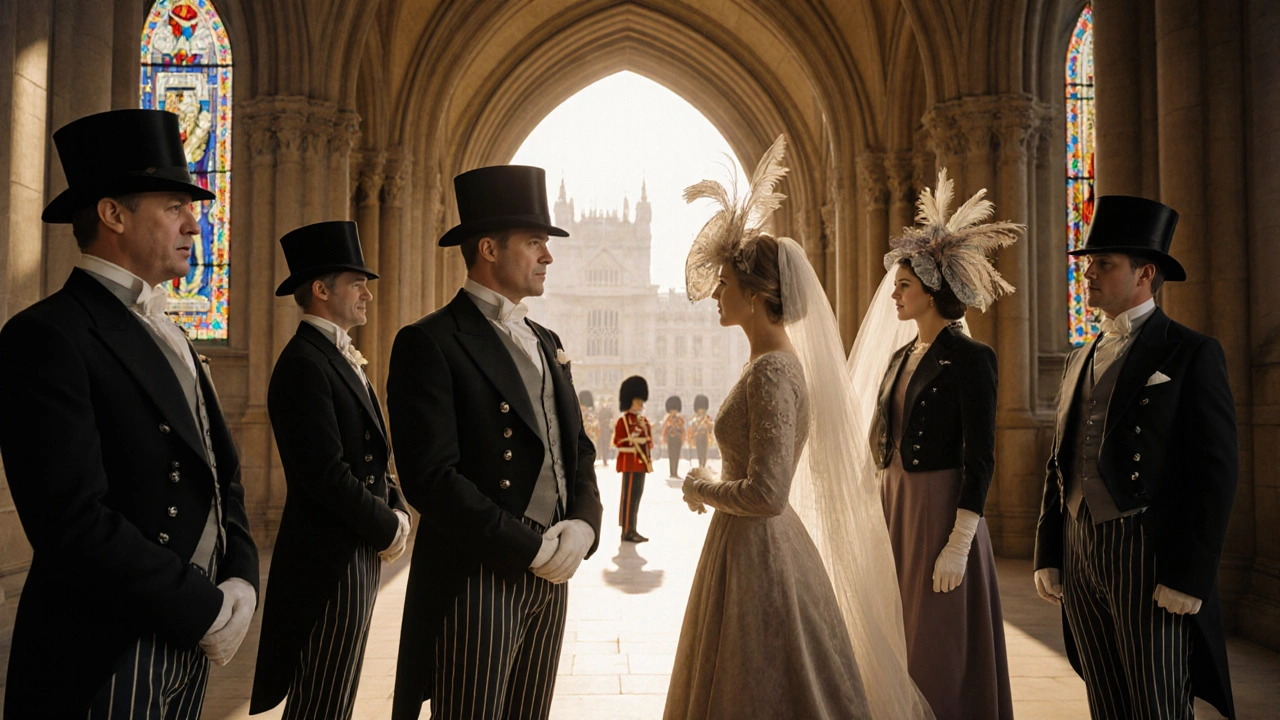
British Ceremonial Dress Codes: Hats, Tails, and Tiaras Explained
British ceremonial dress codes include morning dress, evening dress, and court dress - each with strict rules on hats, tails, and tiaras. These aren't fashion choices but constitutional traditions still followed today.
READ MORE