St James’s Park history: London’s Oldest Royal Park and Its Hidden Stories
When you walk through St James’s Park, London’s oldest royal park, originally a marshy hunting ground turned elegant garden for monarchs. Also known as the heart of London’s royal route, it connects Buckingham Palace to the Houses of Parliament and has watched over centuries of British history. This isn’t just a pretty green space—it’s a living archive of power, politics, and nature.
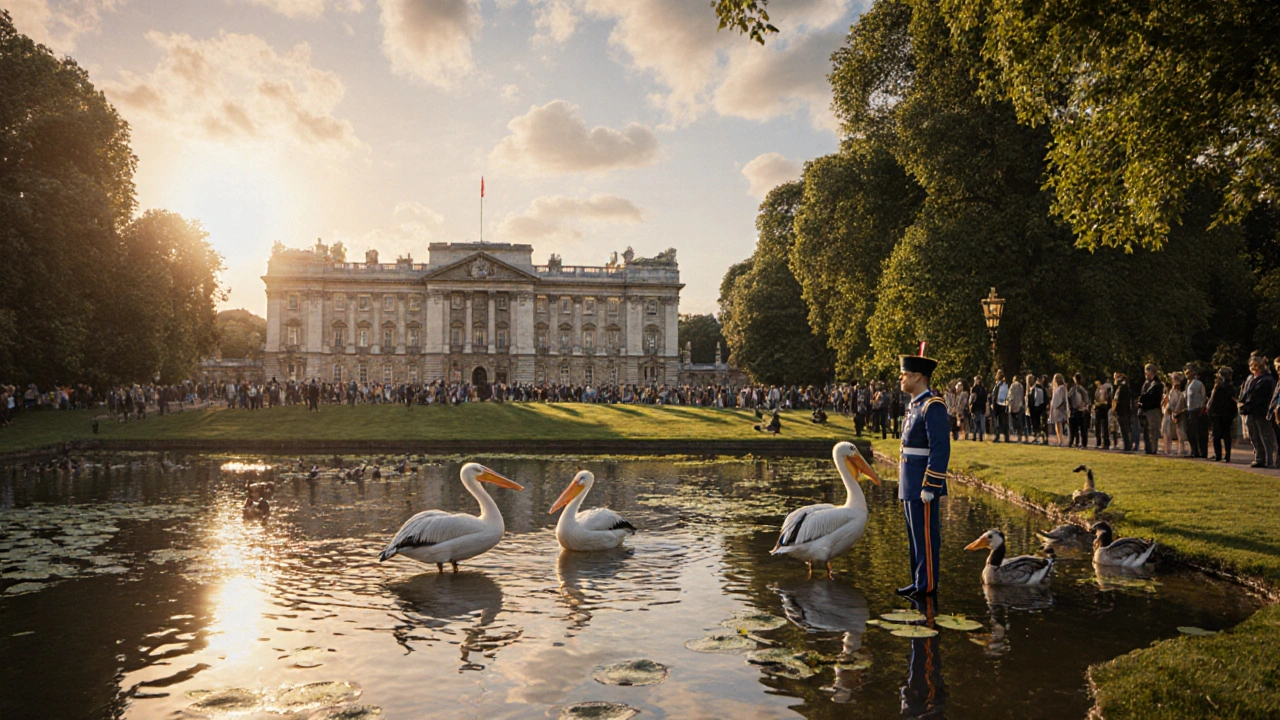
St James’s Park was first developed by Henry VIII in the 1530s, when he turned a leper hospital and marshland into a deer park for hunting. Later, Charles II brought French garden design from Versailles, adding canals, statues, and orderly paths. The park’s iconic lake, now home to pelicans since the 1660s, was once a drainage ditch. Those pelicans? They’re not just tourist bait—they’re part of a royal tradition. The first were a gift from the Russian ambassador, and today’s flock is cared for by the Crown Estate. The park’s layout, with its sweeping views of the lake and the palace, was carefully planned to impress visitors and signal royal authority. It’s also where kings and queens once rode in carriages to the palace, and where modern Londoners now sit on benches with coffee, watching ducks glide past.
St James’s Park isn’t just about history—it’s tied to how London thinks about public space. Unlike private gardens, it was opened to the public in the 18th century, making it one of the first royal parks anyone could walk through. That shift reflected changing ideas about monarchy and citizenship. Today, you’ll find joggers, photographers, and students studying under the trees, all sharing space with the same swans and pelicans that have lived here for generations. The park’s trees include some planted over 200 years ago, and its flower beds are still maintained using methods passed down from Victorian gardeners. Even the bridges? They’ve been rebuilt, but the original stone arches remain, quietly holding the weight of centuries.
Behind the scenes, the park is managed by the Crown Estate, which balances tourism, conservation, and public access. It’s not just a park—it’s a working ecosystem. The water quality is monitored, the wildlife populations tracked, and the historic structures repaired using traditional techniques. You won’t find ads or fast food kiosks here. That’s intentional. This park was designed to be a place of calm, not commerce.
When you stand near the bridge overlooking the lake, you’re standing where kings once walked, where politicians debated, and where ordinary people found a rare moment of peace in a busy city. The park’s history isn’t locked in books—it’s in the rustle of the reeds, the call of the pelicans, and the way the sunlight hits the palace at sunset. Below, you’ll find stories that dig deeper: the secret tunnels, the forgotten monuments, the artists who painted here, and the surprising ways this park shaped London’s identity. Whether you’re a local or just visiting, these posts will show you the real St James’s Park—not the postcard version, but the one with bones, blood, and centuries of stories still breathing.
St James’s Park: London’s Royal Park and Perfect Spot to Relax
St James’s Park is London’s oldest royal park, offering peaceful walks, historic pelicans, and stunning views of Buckingham Palace. Free to enter, it’s the perfect spot to relax in the heart of the city.
READ MORE