Short-Term Rentals London
When you hear short-term rentals London, temporary housing options like Airbnb and Vrbo listings that last days or weeks, not months. Also known as holiday lets, these rentals have reshaped how visitors experience the city—and how Londoners live in it. Unlike long-term leases, short-term rentals don’t require a year-long commitment. They’re booked online, often fully furnished, and meant for travelers, business visitors, or people in transition. But here’s the catch: what’s convenient for tourists can make life harder for residents.
London’s housing market is tight. With rent prices rising and new builds falling behind demand, many landlords are turning to short-term rentals because they earn more per month than renting to a single tenant long-term. That’s why neighborhoods like Shoreditch, Camden, and Brixton have seen a spike in empty flats during the week—used only by tourists on weekends. The city has rules: you can’t rent out your primary home for more than 90 days a year without planning permission. But enforcement is patchy, and some properties slip through. Meanwhile, locals are paying more for less, as entire buildings get converted into short-term units.
It’s not all bad. For visitors, short-term rentals mean more space, kitchens to save on meals, and neighborhoods that feel real—not just tourist traps. A family staying in a three-bedroom flat in Clapham can cook breakfast, do laundry, and walk to a local pub. For hosts, it’s a way to cover mortgage costs or fund a trip. But the balance is tipping. The London property market, the system of buying, selling, and renting homes in the capital, shaped by supply, regulation, and demand is under pressure. The tourist accommodation London, temporary lodging options designed for visitors, often managed through digital platforms boom has made some areas feel more like hotels than homes. And while London Airbnb, the most popular platform for short-term rentals in the city, connecting hosts with travelers dominates, it’s not the only one—there are dozens of smaller platforms, too.
What does this mean for you? If you’re visiting, know where to look beyond the top-rated listings. Some of the best stays are in quieter corners of Peckham or Walthamstow, where prices are lower and the vibe is local. If you’re thinking of listing your place, check the 90-day rule. Know your council’s policy. Don’t assume you can rent freely. And if you’re a resident, you’re not alone—many are pushing back. Community groups are tracking illegal rentals. Petitions are growing. The city is slowly catching up.
Below, you’ll find real stories, practical guides, and insider tips on everything from how to spot a legal short-term rental to which London neighborhoods are most affected—and where you might still find a quiet, affordable place to stay. No fluff. Just what works, what doesn’t, and what’s changing fast.
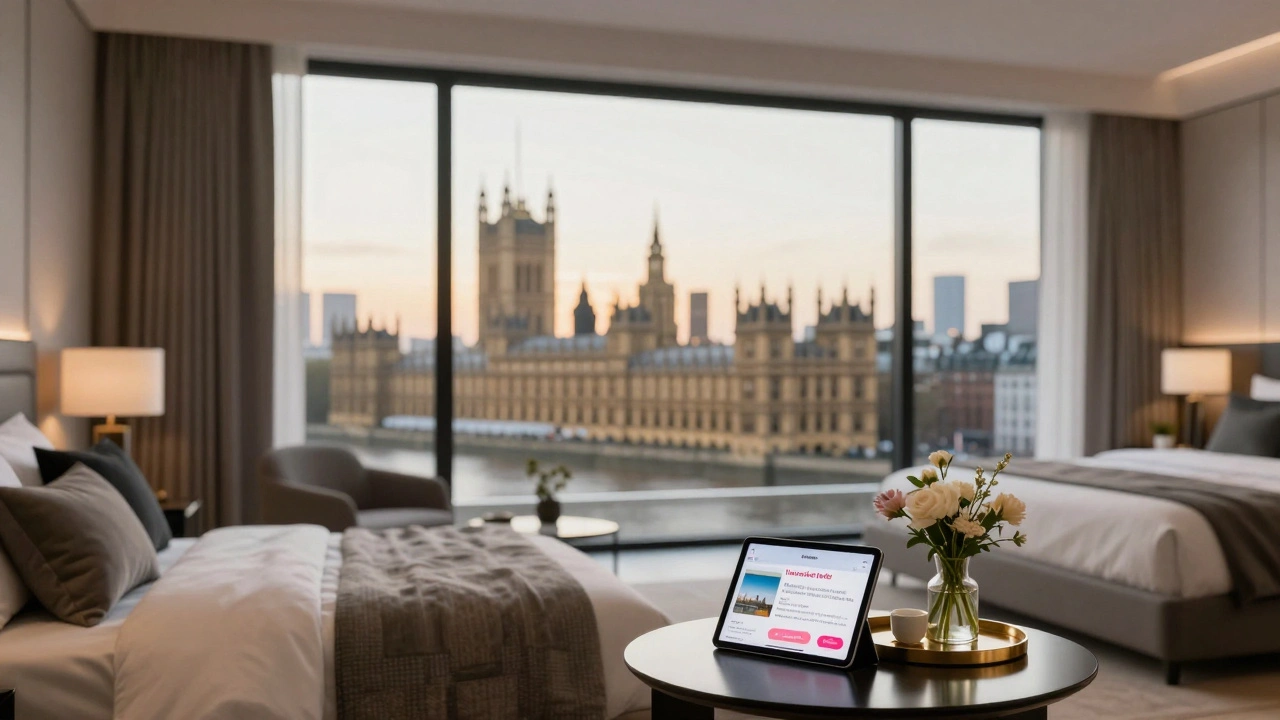
Airbnb and Short-Term Rentals in London: Where to Invest in 2025
Airbnb and short-term rentals in London are still profitable in 2025-but only if you know where to invest, how to stay legal, and what costs to expect. This is the real guide to making money without getting fined.
READ MORE