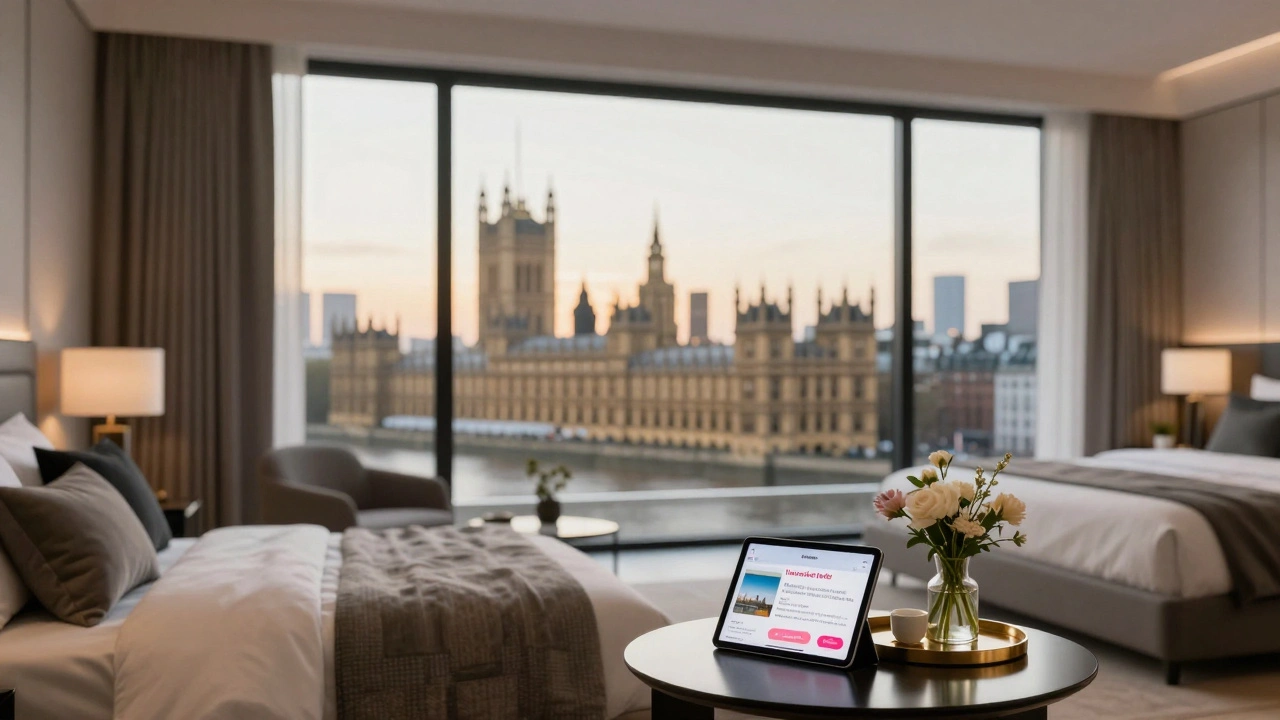
London’s short-term rental market isn’t just surviving-it’s reshaping how people make money from property. If you’re thinking about buying a flat or house to rent out on Airbnb, you need to know what’s actually working in 2025. Forget the hype from five years ago. The rules changed. The demand shifted. And the cities that once welcomed every new host now have strict limits. But that doesn’t mean there’s no money left. It just means you have to play smarter.
What’s Really Happening in London’s Short-Term Rental Market?
London banned most short-term lets under 90 days in 2024. That’s not a rumor. It’s law. If you own a property and want to rent it out for less than three months, you need planning permission. And in most boroughs, that permission is either denied or tied to very specific conditions. The city didn’t shut down Airbnb-it forced investors to pick better locations and operate legally.
Here’s the real impact: 42% of London listings vanished in 2024. But the ones that stayed? They’re making more than ever. Why? Because the supply dropped, but demand didn’t. Tourists still flood the city-over 21 million visitors in 2024 alone. They’re not going home. They’re just finding homes that are allowed to host them.
That means if you’re in a borough that still allows short-term lets-like Westminster, Camden, or parts of Southwark-you’re sitting on a goldmine. But if you’re in Tower Hamlets or Haringey? Forget it. The council won’t approve you. And if you try to sneak it in? Fines start at £10,000.
Where to Buy for Maximum Airbnb Returns
Not all of London is equal. Some areas still let you rent out your place for 365 days a year. Others don’t even let you apply. So where should you put your money?
- Westminster: The tourist heart. Near the Houses of Parliament, Buckingham Palace, and Covent Garden. Average nightly rate: £210. Occupancy: 78%. This is where the big money is.
- Camden: Young travelers, music fans, and foodies. Close to Regent’s Park and the markets. Nightly rate: £185. Occupancy: 75%. High turnover, lower prices, but steady demand.
- Southwark: Near the Tate Modern, London Bridge, and the Globe Theatre. Nightly rate: £195. Occupancy: 72%. Popular with international visitors who want to be close to the river.
- Islington: Not as touristy, but growing. Good for business travelers and longer stays. Nightly rate: £165. Occupancy: 68%. Less competition, more reliable bookings.
These areas are the only ones where you can realistically expect a return of 8-12% annually after costs. Outside of them? You’re gambling. Even in these hotspots, you need to be licensed. The city tracks every listing. You can’t hide.
Costs You Can’t Ignore
Most people look at the nightly rate and think they’re rich. Then they get hit with bills. Here’s what actually eats into your profit:
- Service fees: Airbnb takes 3% from hosts, but guests pay 14%. That’s not your problem-but you still need to price around it.
- Council tax: If you rent out your property for more than 90 days a year, you pay commercial rates. That’s 50-100% more than residential.
- Maintenance: Short-term lets wear out fast. A mattress lasts 18 months. Towels get stolen. Locks break. Budget £1,500-£2,500 a year per unit.
- Insurance: Standard home insurance won’t cover short-term guests. You need specialist landlord insurance. Expect £800-£1,200/year.
- Management: If you don’t live in London, you’ll need a local cleaner and host. That’s £150-£250 per booking. Or £1,500-£2,500 monthly if you’re fully outsourced.
After all that, your net return might be half of what you thought. A £500,000 property earning £1,800/month gross? That’s £1,100 net after taxes, fees, and upkeep. Not bad-but not a get-rich-quick scheme.
What You Need to Legally Operate
You can’t just list a flat on Airbnb anymore. Here’s what you need:
- Planning permission: Apply through your borough council. Only granted if your property is in a permitted area.
- License number: Once approved, you get a unique ID. You must display it on every listing.
- Gas safety certificate: Required annually.
- Electrical safety certificate: Every five years.
- Fire safety compliance: Smoke alarms, fire extinguishers, escape routes.
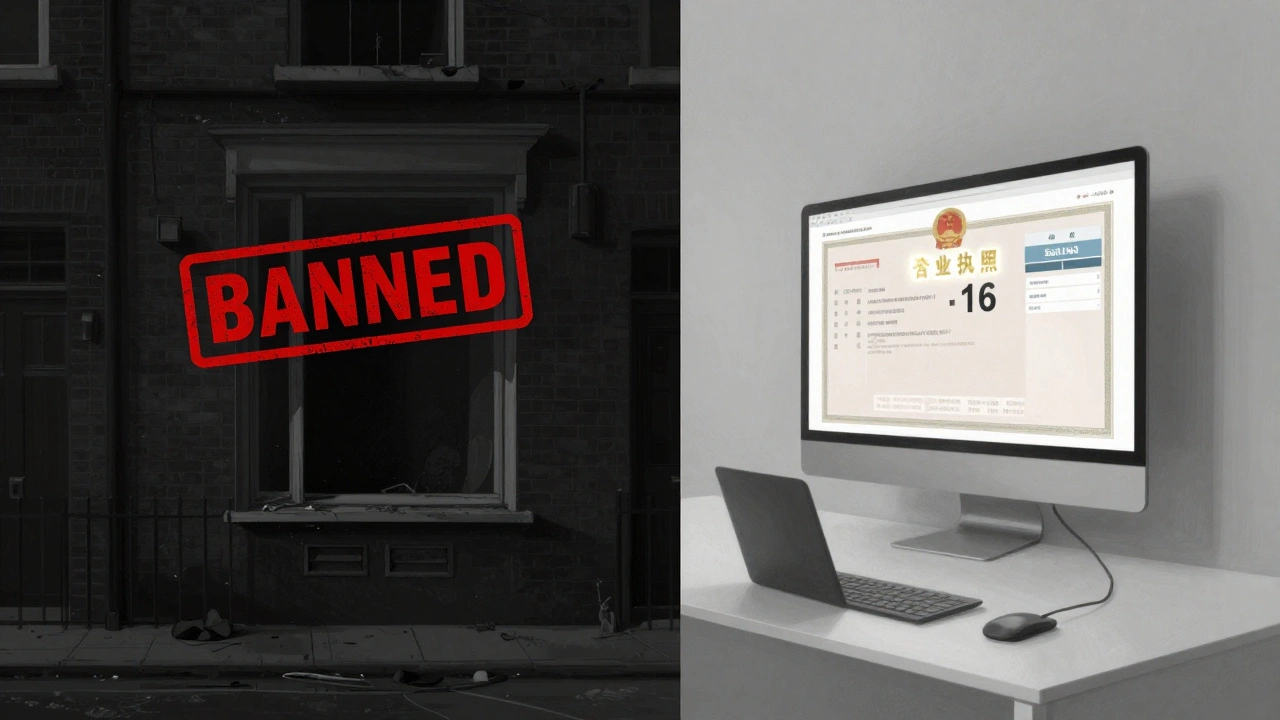
Some boroughs also require you to register with the council every year. Miss a deadline? Your listing gets taken down. Repeat offenses? You’re banned.
There’s no gray area anymore. The council uses AI to scan Airbnb, Booking.com, and Vrbo for unlicensed listings. If your property doesn’t have a license number, it’s flagged. And you’ll get a letter-then a fine.
Alternatives If You Can’t Get a License
What if you bought a place in a banned area? Or you’re not ready to jump through all the hoops? Don’t walk away. Just pivot.
- Long-term rentals: London’s rental market is still tight. Average rent for a one-bedroom flat in Zone 2 is £2,100/month. That’s steady income, no cleaning, no guest turnover.
- Co-living spaces: Rent out individual rooms in a flat to young professionals. You keep the common areas. Demand is high near universities and tech hubs.
- Corporate housing: Companies rent apartments for employees on temporary assignments. Contracts last 3-12 months. Less hassle than Airbnb, better pay than long-term tenants.
- Buy outside London: Cities like Manchester, Bristol, and Leeds have no 90-day caps. You can rent out full properties year-round. And yields are higher.
Many investors who missed the London Airbnb boom are now buying in Manchester. A £200,000 flat there can earn £1,200/month in long-term rent-or £800/month in short-term with no license needed. That’s a 4.8% yield, and you sleep better knowing you’re not risking a £10,000 fine.
Is It Still Worth It in 2025?
Yes-if you’re smart. No-if you’re lazy.
London’s Airbnb market isn’t dead. It’s evolved. The easy money is gone. The wild west is over. But the professionals? They’re making more than ever. They know which boroughs to target. They budget for hidden costs. They treat it like a business, not a side hustle.
If you have £500,000 to invest and you’re willing to do the paperwork, Westminster or Camden can still deliver strong returns. But if you’re hoping to buy a cheap flat in Hackney, slap up some photos, and start earning £2,000 a month? You’re not going to make it. The system is watching. And it’s rigged against amateurs.
Consider this: the average Airbnb host in London made £12,500 last year. But the top 10%? They made over £80,000. What’s the difference? They own multiple properties. They have legal licenses. They hire cleaners. They use dynamic pricing software. They treat it like a job.
That’s the new reality. Short-term rentals in London aren’t a passive income stream anymore. They’re a full-time business. And if you’re not ready to run it like one? You’ll lose money.
Can I still rent out my London flat on Airbnb in 2025?
Only if you live in a borough that allows short-term lets and you have official planning permission. Most areas, including Tower Hamlets and Haringey, have banned rentals under 90 days. You must apply for a license, display your license number on your listing, and comply with fire and safety rules. Without it, your listing will be removed, and you could face fines up to £10,000.
What’s the average return on an Airbnb in London?
In licensed areas like Westminster or Camden, gross returns average 8-12% annually. After fees, taxes, maintenance, and insurance, net returns are closer to 5-7%. A £500,000 property might earn £1,100-£1,400 net per month. That’s solid-but only if you manage it properly.
What happens if I rent without a license?
The council uses automated tools to scan listing platforms. If your property doesn’t have a license number, it gets flagged. You’ll receive a warning, then a fine of at least £10,000. Repeat offenses can lead to property seizure or legal action. Many hosts have lost their properties after ignoring the rules.
Is it better to rent long-term instead of short-term?
In banned areas, yes. Long-term rentals in London still pay £2,000-£2,500/month for a one-bedroom flat. You avoid all the licensing headaches, cleaning costs, and guest turnover. Yields are lower-around 4-5%-but the income is steady and predictable. For many, it’s the safer choice.
Should I invest in Airbnb outside London?
Absolutely. Cities like Manchester, Bristol, and Leeds have no 90-day restrictions. You can rent out full properties year-round without a license. Yields are often higher than London’s, and operating costs are lower. A £200,000 property in Manchester can earn £1,200/month in short-term rent with zero legal risk.