Royal Park London
When you think of Royal Park London, a network of historic, publicly accessible green spaces once owned by the British monarchy. Also known as Royal Parks, these areas are more than just grass and trees—they’re living parts of London’s identity, shaped by centuries of design, politics, and daily life. There are eight of them in total, each with its own story, from the wide-open stretches of Hyde Park to the quiet elegance of Greenwich Park. These aren’t just places to picnic—they’re where kings hunted, revolutionaries rallied, and generations of Londoners have found calm in the middle of a busy city.
Each Royal Park has its own character. Hyde Park, a 350-acre space once a royal hunting ground. Also known as The People’s Park, it’s where you’ll find Speakers’ Corner, rowing on the Serpentine, and summer concerts under the stars. Kensington Gardens, the quieter, more formal sibling to Hyde Park, with the Victoria Memorial and Peter Pan statue. Also known as The Queen’s Garden, it’s where locals read on benches and children sail toy boats on the Round Pond. Then there’s Regent’s Park, home to London Zoo, open-air theatre, and sprawling rose gardens. Also known as The Crown’s Pleasure Ground, it’s where you’ll see runners at dawn and couples strolling past the boating lake. These aren’t random patches of green—they’re carefully planned landscapes, designed by figures like Capability Brown and John Nash, blending art, nature, and power.
What makes Royal Park London special isn’t just their size or history—it’s how they’re used. Locals jog through Green Park before work. Families picnic on Primrose Hill at sunset. Artists sketch in St. James’s Park while ducks glide past. Tourists snap photos of the pelicans at the lake, not knowing they’ve been there since the 1660s. These parks aren’t museums. They’re active, breathing parts of the city, shaped by who uses them. You won’t find ticket booths or velvet ropes—just open access, free for everyone, every day.
And while they’re called "royal," they belong to the public. The Crown still owns the land, but the parks are managed by a charity that keeps them wild, clean, and welcoming. You’ll find wildflowers in Richmond Park, deer roaming freely, and hidden pathways that lead to forgotten statues. These spaces survive because people care about them—because they’re where Londoners go to breathe, think, and connect.
Below, you’ll find stories from across London that tie into these green spaces—from outdoor fitness trends near the Serpentine to hidden garden tours in Greenwich, from how local artists use the parks as inspiration to how city planners protect them from overdevelopment. These aren’t just park guides. They’re glimpses into how Royal Park London shapes life in the city—every day, for everyone.
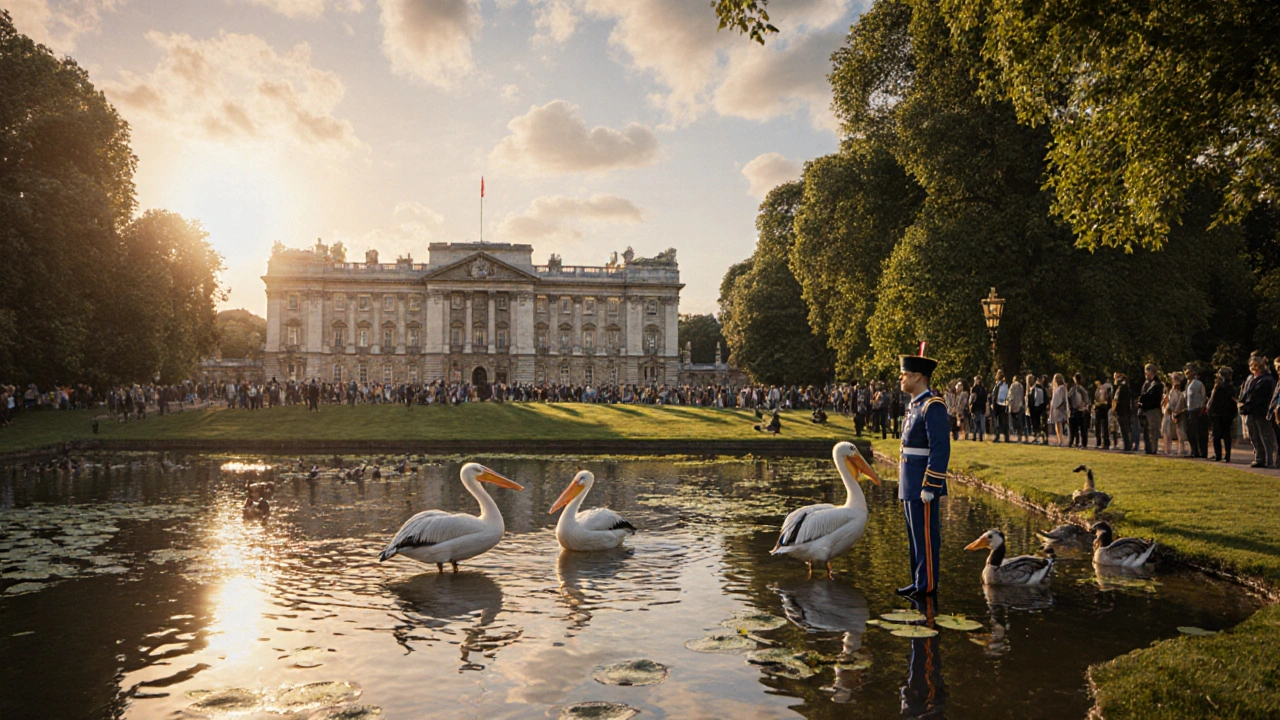
St James’s Park: London’s Royal Park and Perfect Spot to Relax
St James’s Park is London’s oldest royal park, offering peaceful walks, historic pelicans, and stunning views of Buckingham Palace. Free to enter, it’s the perfect spot to relax in the heart of the city.
READ MORE