Royal Botanical Garden: London’s Living Archives of Plants and History
When you think of the Royal Botanical Garden, the world-famous botanical institution in Kew, London, known for its scientific research, plant conservation, and historic glasshouses. Also known as Kew Gardens, it’s not just a park—it’s one of the most important plant science centers on the planet, housing over 50,000 living species and a library of 2.7 million preserved specimens. This isn’t a place you visit just to walk around. It’s where scientists track endangered plants, where climate researchers study how species adapt, and where centuries of botanical discovery are still alive in every leaf and root.
The Royal Botanical Garden, a UNESCO World Heritage Site and home to the largest collection of living plants in the world doesn’t just sit there looking beautiful. It’s actively saving species from extinction. The Millennium Seed Bank, tucked away on its grounds, stores seeds from over 40,000 plant species—many of them from regions where habitat loss is wiping out native flora. That’s not a display. That’s insurance for the future. And it’s why this place matters more now than ever. Nearby, the Palm House and Temperate House aren’t just Victorian architecture—they’re climate-controlled ecosystems that let rare plants from Australia, South America, and Southeast Asia survive in London’s weather. These glasshouses are like time machines, preserving biodiversity that’s vanishing elsewhere.
What makes the Royal Botanical Garden, a globally recognized center for plant science and public education different from other London parks? It’s the depth. You can walk past a tree that was planted in 1760, then turn a corner and stand under a canopy of orchids that bloom only once a year. You’ll see botanists taking samples, volunteers cataloging mosses, and kids learning how fungi help forests breathe. It’s a working lab, a museum, and a sanctuary—all at once. And while other gardens might focus on flowers or lawns, this one tells the story of how life on Earth connects. From medicinal plants used in modern drugs to ancient ferns that predate dinosaurs, every corner has a purpose.
People come here to escape the city, but they leave with more than just calm. They leave understanding why plants matter—not as decoration, but as the foundation of clean air, food, medicine, and climate stability. The Royal Botanical Garden doesn’t just show you nature. It explains how we depend on it. And that’s why the posts below—covering everything from historic landscaped gardens to sustainable design and urban green spaces—fit so naturally here. You’ll find guides on where to spot rare blooms, how to visit without the crowds, and how London’s green spaces are shaped by science, history, and quiet activism. This isn’t just a garden. It’s a living archive. And you’re about to see how deeply it’s woven into the city’s soul.
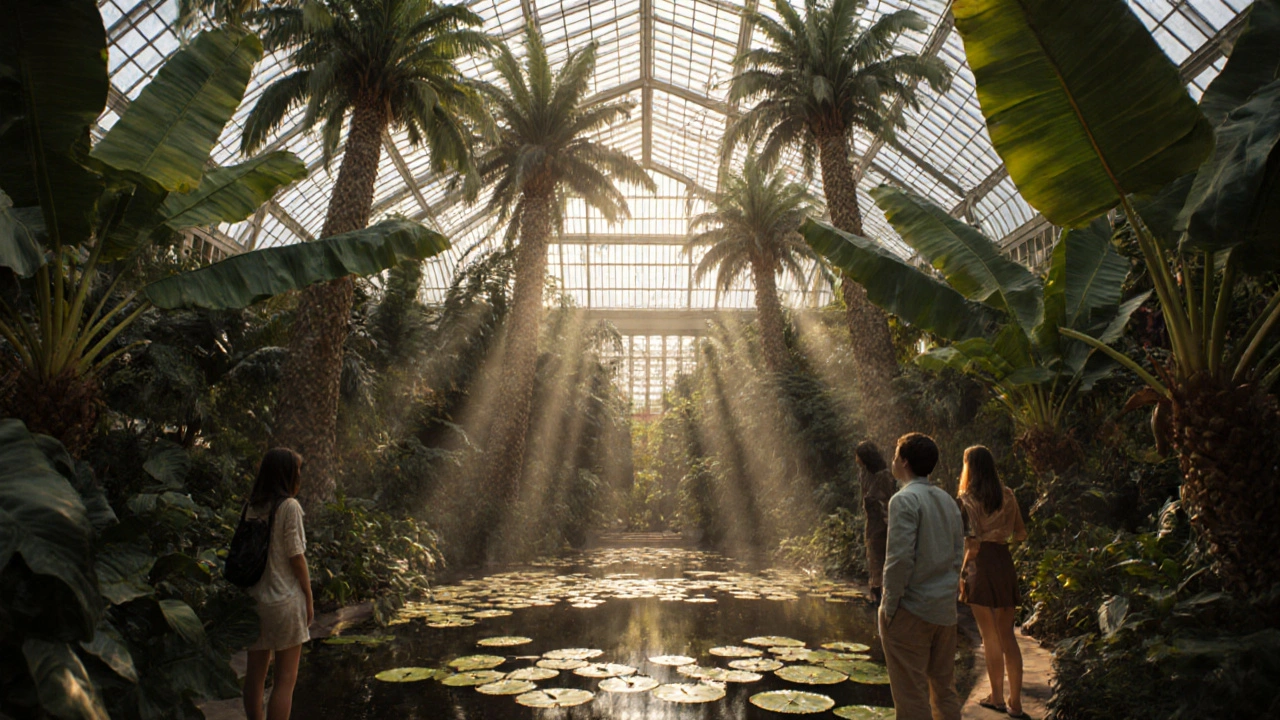
Kew Gardens: Your Complete Guide to the Royal Botanical Garden Experience
Explore Kew Gardens, the Royal Botanical Garden in London, with essential tips on what to see, how to plan your visit, seasonal highlights, and why this world-famous garden matters for science and conservation.
READ MORE