Royal Botanic Gardens: London’s Living Landscapes and Historic Green Spaces
When you think of Royal Botanic Gardens, a network of scientifically curated, publicly accessible green spaces in London with deep historical roots and global botanical importance. Also known as Kew Gardens, it’s not just a pretty park—it’s a living archive of plant life, a center for conservation research, and one of the most visited natural attractions in the UK. These gardens aren’t just for tourists with cameras. Locals come here to walk, to study, to find peace, and to reconnect with nature in the middle of a bustling city.
The historic gardens London, designed landscapes from the 18th and 19th centuries that blend art, science, and horticulture around the Royal Botanic Gardens tell stories of empire, exploration, and environmental awareness. You’ll find Georgian symmetry in formal lawns, Victorian wildness in woodland trails, and modern ecological design in native plant zones. These aren’t random flower beds—they’re carefully planned ecosystems, some dating back over 250 years, maintained by teams of botanists and horticulturists who track every species. Nearby, smaller but equally significant landscaped gardens, intentionally designed outdoor spaces that combine aesthetics with function, often tied to historic estates or public institutions like those at Hampton Court or Chiswick House echo the same design principles, making them part of a broader cultural heritage.
What makes these spaces so powerful isn’t just their beauty—it’s their role in daily life. People come here to escape the noise, to photograph rare orchids, to learn how climate change affects plant survival, or just to sit under a tree with a book. The Royal Botanic Gardens support over 50,000 living plant species, many of which are endangered in the wild. That’s not a number you hear every day. It’s why these gardens matter beyond tourism—they’re a global safety net for biodiversity.
And you don’t need a ticket to feel the impact. Even the smaller green spaces linked to this network—hidden courtyards, community plots, and riverside trails—carry the same spirit. Whether you’re drawn to the towering palm house at Kew, the quiet solitude of the Japanese Garden, or the wildflower meadows buzzing with bees, these places offer more than scenery. They offer perspective.
Below, you’ll find a collection of stories that dig into the layers of London’s green heart—from the science behind its plant collections to the quiet rituals of people who visit them every week. You’ll learn how to spot the difference between a heritage garden and a modern landscape, where to find the best seasonal blooms, and how these spaces quietly shape everything from urban design to mental health. This isn’t just a list of parks. It’s a guide to the living, breathing soul of the city.
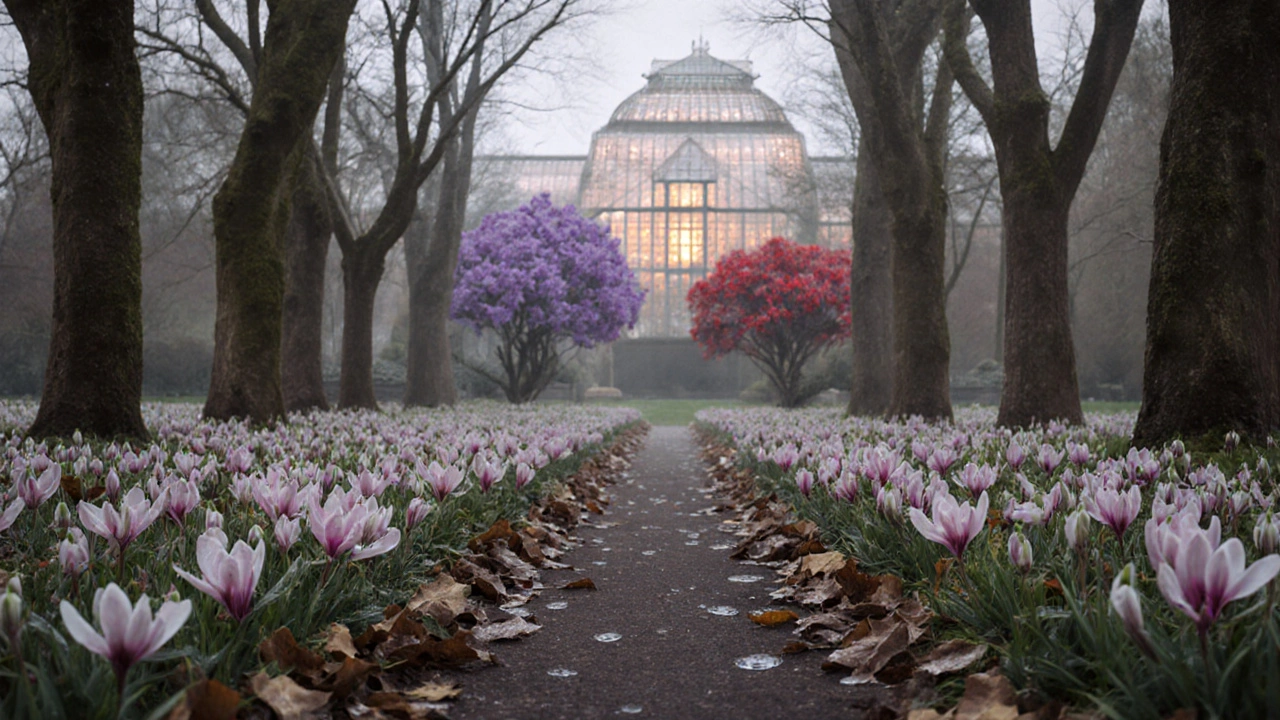
Kew Gardens: Royal Botanic Gardens and Seasonal Highlights
Explore Kew Gardens, the Royal Botanic Gardens in London, with seasonal highlights from spring blooms to winter light trails. Discover rare plants, conservation work, and must-see spots across the year.
READ MORE