London rooftop gardens
When you think of green spaces in London, you probably picture Hyde Park or Regent’s Park. But London rooftop gardens, vertical oases built on top of buildings that turn unused space into living, breathing areas. Also known as green roofs, they’re not just for show—they help cool buildings, absorb rainwater, and bring calm to crowded streets. These aren’t fancy rooftop bars with cocktails and DJs. These are real gardens: herb beds, vegetable plots, wildflower patches, and quiet corners with benches where people read, meditate, or just breathe.
What makes them special is how they fit into the city’s rhythm. A rooftop garden in Shoreditch might grow tomatoes next to a tech startup’s office. One in Notting Hill could have lavender and beehives above a boutique hotel. In Camden, you’ll find community plots where neighbors grow food together. They’re built with reclaimed wood, recycled containers, and native plants that need little water. Some even have compost bins and rainwater collectors. These aren’t luxury add-ons—they’re smart, practical responses to tight urban space and rising temperatures.
And they’re growing fast. More landlords are turning flat roofs into usable land. Councils are offering grants to turn empty rooftops into public green zones. Schools are using them for outdoor lessons. Even small flats now have tiny balcony gardens that mirror the same principles. It’s not about having a big yard—it’s about using every bit of space wisely. The rise of urban gardening London, the practice of growing plants in city environments, often on balconies, rooftops, or vertical walls has made this possible for everyone, not just the wealthy. You don’t need a huge area. Just a few pots, some soil, and sunlight.
These gardens also connect to deeper trends. They’re part of sustainable urban design, an approach to city planning that reduces environmental impact while improving quality of life. They help cut energy use by insulating buildings. They give birds and bees a place to land. They reduce noise from traffic. And they make people feel less stressed. In a city where 8 million people live on top of each other, these spots matter more than ever.
What you’ll find below are real examples—private rooftop escapes, community projects, and innovative designs that turned dead space into living space. Some are tucked above warehouses. Others sit above restaurants or apartment blocks. You’ll see how people grow food in the middle of the city, how they choose plants that survive wind and pollution, and how they turn a 10-square-meter roof into a sanctuary. No fluff. Just practical ideas, real locations, and the people making it happen.
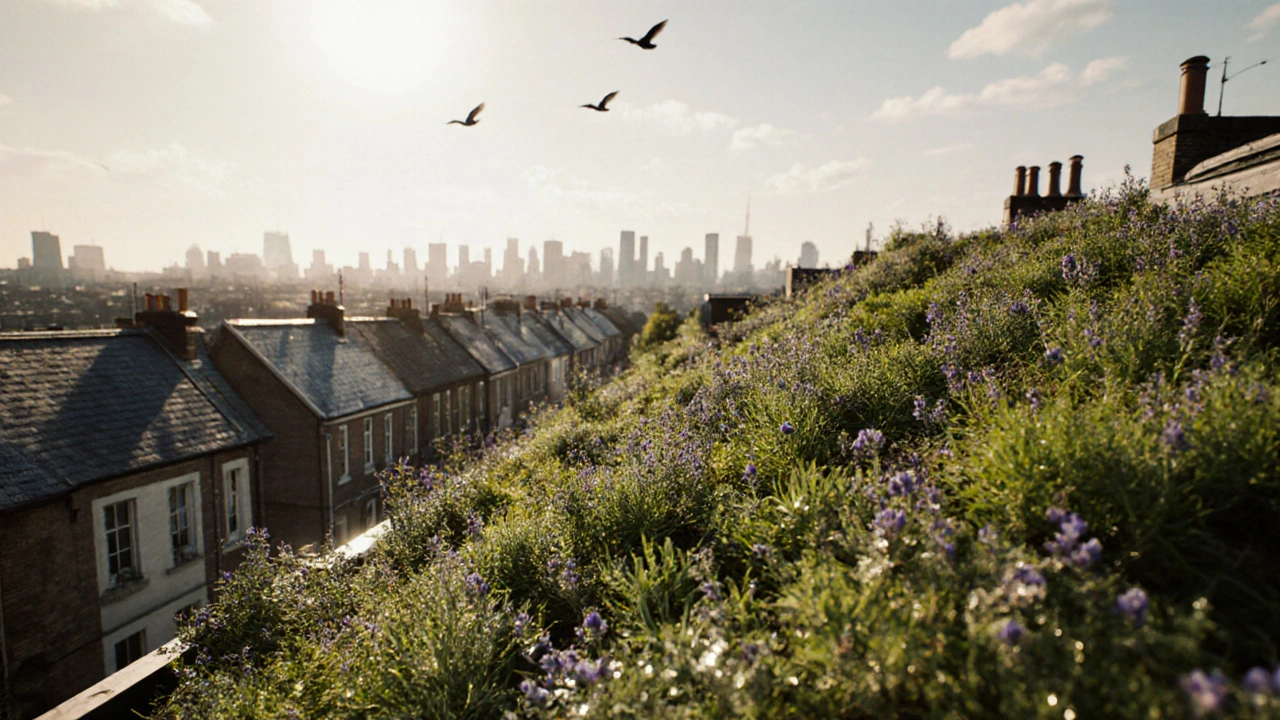
Green Roofs in London: How to Install and Maintain Urban Habitats
Learn how to install and maintain green roofs in London to cool buildings, reduce flooding, and support urban wildlife. Real costs, plant choices, and step-by-step guidance for homeowners.
READ MORE