London botanical gardens: Best green spaces, history, and hidden gems
When you think of London botanical gardens, public green spaces designed for plant conservation, education, and public enjoyment. Also known as public horticultural collections, they’re not just pretty parks — they’re living museums with over 100,000 plant species, centuries of scientific work, and quiet corners where Londoners recharge. These gardens aren’t just for tourists. Locals come here to walk, read, sketch, or just sit under a tree without hearing a car horn.
At the heart of it all is Kew Gardens, a UNESCO World Heritage Site and one of the most important plant science centers on Earth. Also known as Royal Botanic Gardens, Kew, it’s where scientists study endangered plants, grow rare orchids, and even store seeds from across the globe in the Millennium Seed Bank. But you don’t need a PhD to enjoy it — walk the treetop walkway, wander the Japanese landscape, or find a bench near the Palm House and just breathe. Then there’s Hampstead Heath, a sprawling, wilder green space with natural ponds, ancient trees, and sweeping city views. It’s not a formal garden, but it’s packed with native plants, wildflowers, and quiet trails that feel miles from central London. These places are part of what makes London feel alive — they’re not manicured just for looks. They’re maintained for science, for wildlife, and for people who need a break from concrete.
Smaller gardens like the Chelsea Physic Garden, London’s oldest botanic garden, founded in 1673 for medicinal plant research. Also known as the original herbal garden, it’s tiny but packed with history — you’ll find plants used in traditional medicine, rare herbs, and a walled oasis in the middle of Chelsea. Or Brompton Cemetery, a Victorian burial ground turned wildflower sanctuary. Also known as a cemetery garden, it’s where nature has taken over gravestones, creating a peaceful, overgrown paradise. These spots don’t get the hype of Kew, but they’re where real Londoners go when they need to unplug.
What ties them all together? They’re not just places to see flowers. They’re places where history, science, and daily life meet. You’ll find students sketching ferns at Kew, retirees feeding ducks at Regent’s Park, and artists painting the changing light in the Rose Garden. You’ll learn about climate resilience from the plants they grow, and you’ll feel calmer just walking through them.
Below, you’ll find real stories from people who know these gardens best — the hidden trails, the best seasons to visit, the free events you didn’t know about, and how to spot the rarest plants without a guidebook. No fluff. Just what works, what’s free, and where to go when you need a breath of real London air.
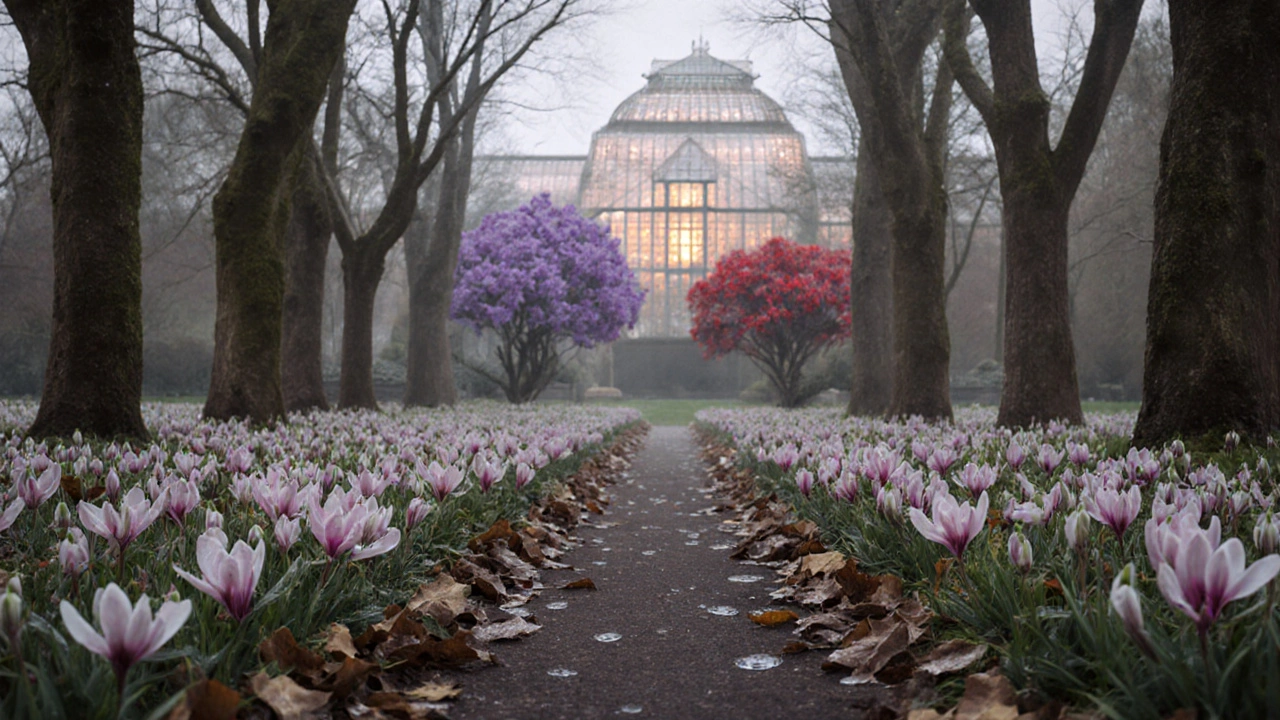
Kew Gardens: Royal Botanic Gardens and Seasonal Highlights
Explore Kew Gardens, the Royal Botanic Gardens in London, with seasonal highlights from spring blooms to winter light trails. Discover rare plants, conservation work, and must-see spots across the year.
READ MORE