Historic Art Collections in London: Where Heritage Meets Public Display
When you think of historic art collections, permanent assemblies of culturally significant artworks preserved by institutions for public access. Also known as national art holdings, they are the quiet backbone of London’s identity — not just in museums, but in the very bones of its streets and squares. These aren’t dusty relics behind glass. They’re living records of who we were, how we saw ourselves, and what we chose to remember. London holds some of the most layered and accessible collections in the world, from Tudor portraits to Pre-Raphaelite masterpieces, all gathered over centuries by collectors, monarchs, and civic leaders who believed art belonged to the people.
These collections don’t exist in isolation. They connect directly to London art museums, public institutions that curate, conserve, and display art for education and cultural continuity like the V&A, the National Gallery, and the Tate Britain. They’re where you find the original sketches behind West End stage designs, the costumes worn by actors in 19th-century tragedies, and the very brushes used by artists who shaped British identity. Then there’s public art heritage, artworks intentionally placed in shared spaces to reflect community values and historical memory — think of the statues in Trafalgar Square, the mosaics in Underground stations, or the carved facades of old banks that still stand today. These aren’t just decorations. They’re civic statements, often funded by the same people who donated to museums, ensuring art stayed visible, not hidden.
What makes London’s historic art collections unique isn’t just their age — it’s their diversity. You’ll find Georgian watercolors next to Victorian tapestries, colonial-era artifacts alongside radical feminist prints from the 1970s. The city didn’t just collect art; it collected stories — of migration, class, war, and rebellion — and turned them into something you can walk up to and touch with your eyes. Even the way these collections are displayed has changed. No longer just for the elite, they now include audio guides in multiple languages, tactile exhibits for the visually impaired, and digital archives you can explore from your sofa. The V&A Museum, the world’s leading museum of decorative arts and design, located in South Kensington alone holds over 2.3 million objects, many of them never seen in textbooks but central to how Londoners understand their own history.
What you’ll find below isn’t a list of old paintings. It’s a map of how these collections live today — in theatre set designs, in street murals that echo Victorian symbolism, in sustainable fashion that borrows from historic textiles, and in home interiors that revive forgotten patterns. You’ll see how the same hands that painted royal portraits now design public art festivals, and how the same spaces that once held private collections now host open-house tours of forgotten studios. This isn’t about nostalgia. It’s about continuity — how the past still shapes what you see, feel, and wear in this city today. The art didn’t disappear. It just changed its clothes.
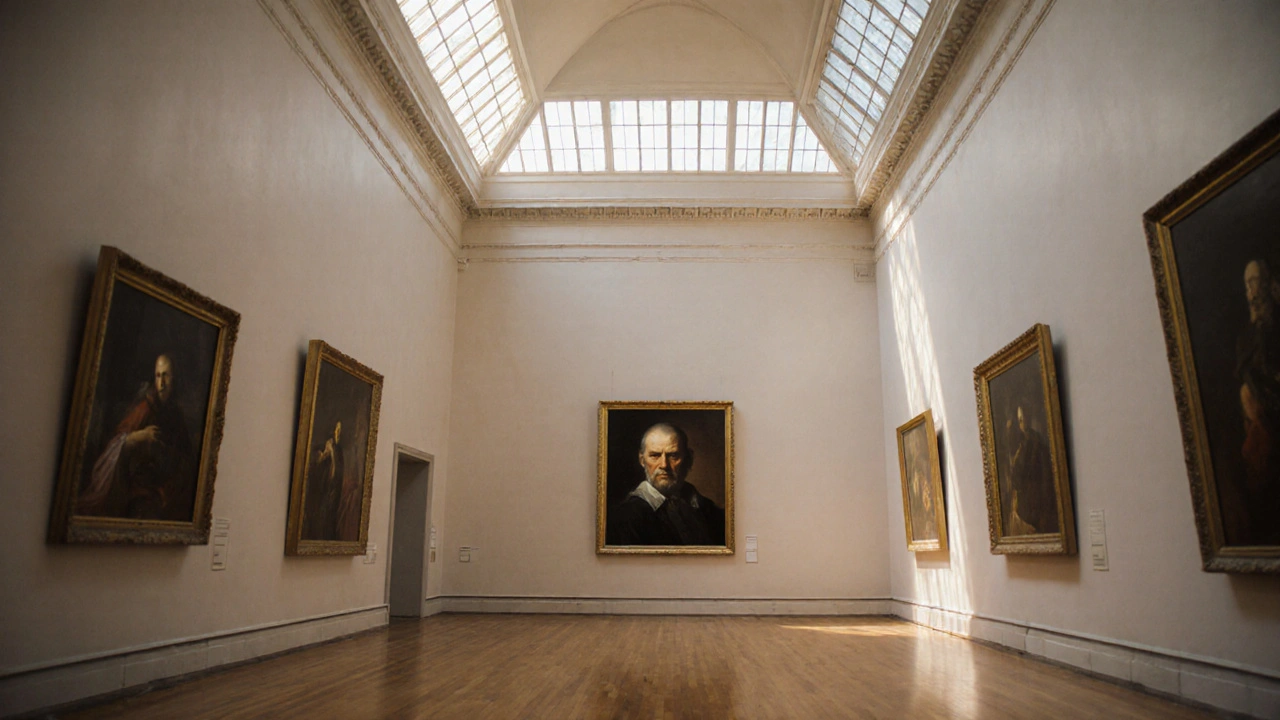
Dulwich Picture Gallery: Exhibitions and Historic Collections
Dulwich Picture Gallery is England's oldest public art gallery, housing a quiet but powerful collection of Old Master paintings and intimate exhibitions. Free to enter, it offers a peaceful escape from the noise of modern museums.
READ MORE