Georgian Gardens: Historic Green Spaces and Design Secrets in London
When you walk through a Georgian garden, a formal, symmetrical outdoor space designed during the reigns of Britain’s Georgian monarchs, characterized by geometric layouts, ornamental lakes, and carefully placed statues. Also known as 18th-century English landscape gardens, these spaces were built for elegance, not just utility—they reflected wealth, taste, and a growing love for nature shaped by reason. Unlike wilder romantic parks that came later, Georgian gardens were controlled, balanced, and deliberate. Every path, every tree, every fountain had a place. They weren’t just backdrops—they were statements.
These gardens weren’t just for the rich. Many were public from the start, like St James’s Park, London’s oldest royal park, redesigned in the Georgian era with sweeping lawns and a central lake to mirror the palace. Others, like those at Kensington Palace or the grounds of Mayfair townhouses, became models for urban living. The style spread quickly: straight avenues lined with lime trees, terraces overlooking water features, and hidden alcoves for quiet conversation. You’ll find traces of this design in today’s London parks—even the most modern ones borrow from that sense of order.
What made Georgian gardens different wasn’t just their look—it was how they worked. They used landscape architecture, the planned arrangement of land, water, and structures to create harmony and movement to guide how people moved and felt. Fountains weren’t just decorative; they masked city noise. Trees were planted in rows to frame views of distant landmarks. Even the gravel paths were chosen for their sound—crunching underfoot, they told you you were in a special place.
Today, these gardens still matter. They’re not museum pieces. They’re living spaces where people walk, relax, and reconnect. The Georgian garden taught Londoners that nature could be beautiful without being chaotic. That’s why you still see those clean lines in places like Holland Park or the gardens behind Buckingham Palace. And if you’ve ever stood still in a London park and felt calm, even surrounded by traffic—you’re feeling the legacy of an 18th-century design that understood peace is planned, not accidental.
Below, you’ll find real stories from London’s most beautiful spots—how these gardens were built, who used them, and how their influence shows up in everything from modern parks to interior design. No fluff. Just the facts, the history, and the quiet beauty that still draws people in.
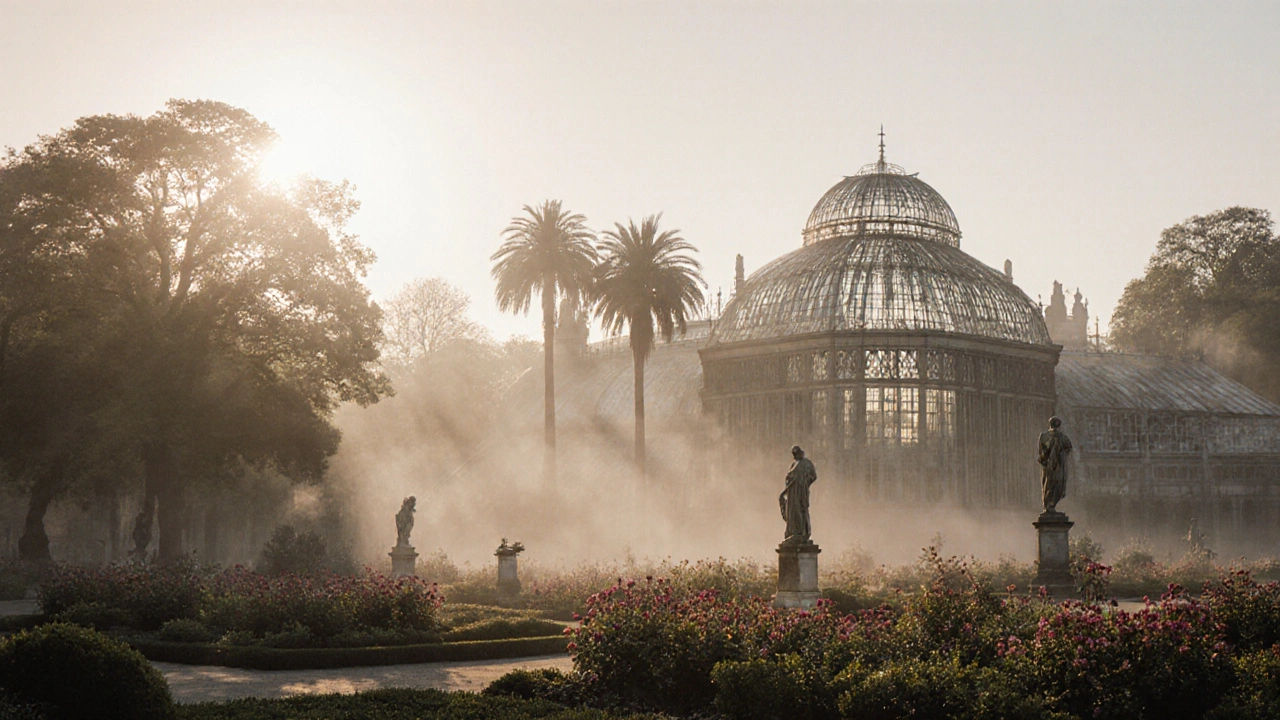
Historic Landscaped Gardens in London: Design and Heritage
Explore London's historic landscaped gardens-from Georgian symmetry to Victorian wildness-and discover how these living monuments blend art, science, and heritage. Learn what makes them unique and how to visit them today.
READ MORE