Dulwich Picture Gallery: Art, History, and Hidden Gems in South London
When you think of London’s art scene, you probably picture the Tate Modern or the National Gallery. But tucked away in a quiet corner of South London is the Dulwich Picture Gallery, the oldest public art gallery in England, founded in 1811 to display a private collection of European Old Master paintings. Also known as Dulwich Art Gallery, it’s not just a museum—it’s a time capsule of 17th and 18th-century European art, built with care by a man who wanted art to be free for everyone.
This isn’t a flashy, crowded attraction. It’s the kind of place where you can spend hours standing in front of a Rubens or a Rembrandt without being bumped by a selfie stick. The building itself, designed by John Soane, is as much a work of art as the paintings inside. Natural light filters through carefully placed windows, the walls are painted in soft ochres, and the layout feels intimate—like walking through a wealthy collector’s private home. It’s a rare space where the architecture doesn’t compete with the art; it enhances it.
The gallery’s collection focuses on European masters—French, Italian, Dutch, and Flemish artists—from the Renaissance through the early 1800s. You’ll find works by Canaletto, Gainsborough, and Poussin, many of which were acquired by a wealthy wine merchant named Sir John Soane’s friend, the collector Sir Francis Bourgeois. He didn’t just want to own these paintings—he wanted to share them. That’s why the gallery opened to the public in 1817, decades before most major institutions did. Today, it still feels like that original promise is alive: art for the many, not just the few.
What makes Dulwich different isn’t just the art—it’s the quiet confidence of the place. No neon signs. No gift shop overload. No lines for the Monet. Instead, you’ll find rotating exhibitions that dig deeper into lesser-known artists, detailed wall labels that actually explain the context, and a garden that feels like a secret escape from the city. It’s the kind of spot where locals go to think, to sketch, or just to sit under the trees after a long week.
And it’s not just about the paintings. The gallery hosts workshops, talks, and community events that connect art to modern life. You can learn how to restore a 200-year-old canvas, join a guided tour that traces the influence of Italian light on British portraiture, or even attend a silent reading night in the gallery’s reading room. It’s a living space, not a monument.
Down the road from the gallery, you’ll find Dulwich Village—a charming mix of tea rooms, independent bookshops, and Georgian houses that haven’t changed much since the 1800s. Many visitors make a full day of it: coffee at a local bakery, a slow walk through the gallery, then tea in the garden. It’s the kind of experience you can’t replicate in central London.
What you’ll find in the posts below are real stories from people who’ve explored this place—not just as tourists, but as locals, artists, and curious minds. From the hidden details in a 17th-century still life to the best time of year to visit when the light hits the windows just right, these articles give you the kind of insight you won’t get from a guidebook. Whether you’re planning your first visit or you’ve been coming for years, there’s something here that’ll make you see Dulwich Picture Gallery in a new way.
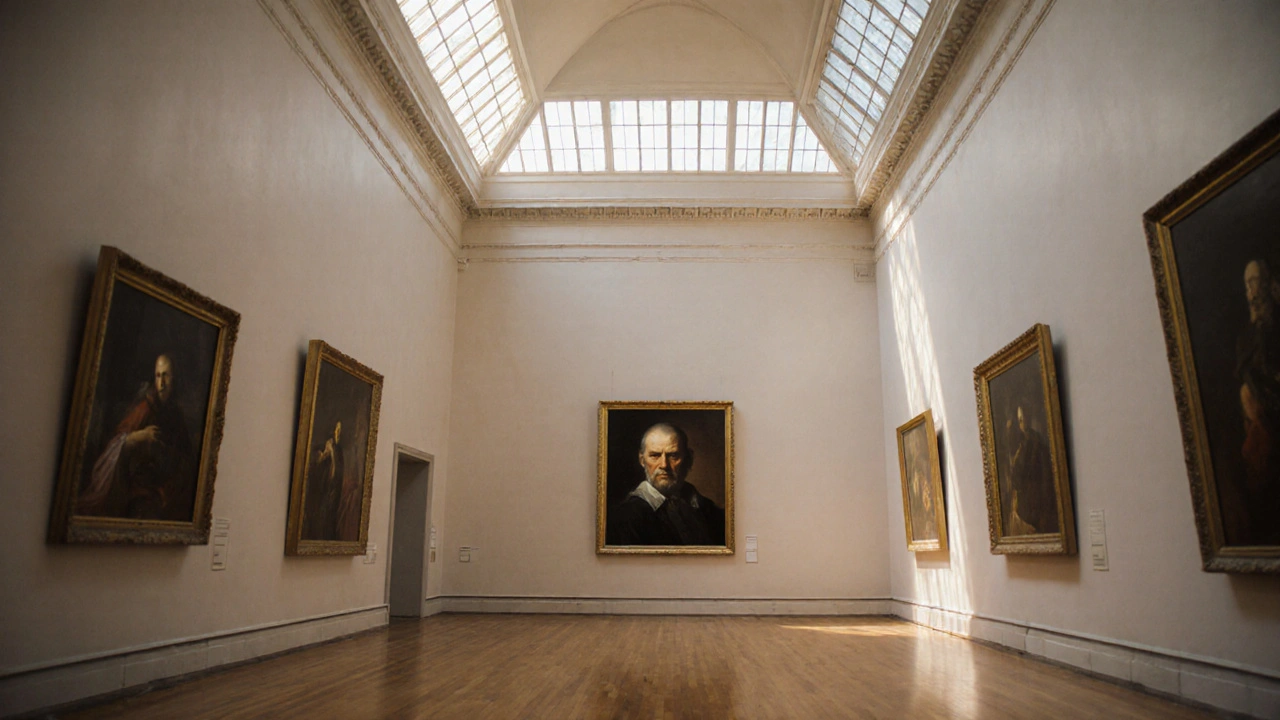
Dulwich Picture Gallery: Exhibitions and Historic Collections
Dulwich Picture Gallery is England's oldest public art gallery, housing a quiet but powerful collection of Old Master paintings and intimate exhibitions. Free to enter, it offers a peaceful escape from the noise of modern museums.
READ MORE