Captioned Theatre Shows in London: Accessible Performances and Best Venues
When you think of live theatre in London, you might picture glittering West End stages, standing ovations, or star-studded casts—but for many, the real magic happens in the captioned theatre shows, live performances that display real-time text on a screen, making dialogue, sound cues, and music accessible to Deaf and hard-of-hearing audiences. Also known as text-assisted theatre, these shows remove the barrier of sound without sacrificing the emotion or energy of the performance. This isn’t just about hearing the lines—it’s about feeling the rhythm of a joke, catching a whispered threat, or knowing when a door slams in the dark. Captioning turns theatre from something you hear into something you experience fully.
London leads the UK in making theatre truly inclusive. Major venues like the National Theatre, the Royal Court, and the Barbican don’t just offer occasional captioned shows—they schedule them regularly across genres, from Shakespeare to new experimental plays. Captioning isn’t limited to spoken words either. Sound effects like rain, footsteps, or a heartbeat are captioned too. You’ll see [phone rings] or [glass shatters] appear on screen, giving you the same sensory awareness as someone who hears it. This level of detail is why London’s captioned theatre scene is considered one of the most advanced in the world.
It’s not just about the captions themselves—it’s about the accessible theatre London, a growing movement ensuring that physical, sensory, and cognitive access are built into every stage decision. Many venues now offer touch tours before shows, audio description for blind audiences, relaxed performances for neurodiverse attendees, and even staff trained in British Sign Language. The result? A theatre culture where accessibility isn’t an afterthought, but part of the design. You’ll find captioned shows at fringe theatres in Peckham, community spaces in Brixton, and even in historic venues like Shakespeare’s Globe, where the open-air setting doesn’t stop them from projecting clear, easy-to-read text.
Timing matters. Most captioned performances happen on Wednesday or Thursday evenings, often with a dedicated captioning operator watching the show live and typing in real time. Some venues let you reserve seats with the best view of the caption screen—usually near the front or sides, away from glare. Don’t assume you need to be Deaf to benefit. Many people with auditory processing disorders, ADHD, or non-native English speakers find captions help them follow the story better, especially with fast-paced dialogue or thick accents.
Behind the scenes, this isn’t easy. Captioners train for months to keep up with live dialogue, handle accents, and time their text so it doesn’t overwhelm the stage. They’re not just transcribing—they’re translating emotion into words. And the demand keeps growing. In 2024, over 40% of London’s major theatres offered weekly captioned performances, up from just 12% five years ago.
What you’ll find in the posts below are real, current guides to where these shows happen, how to book them, and which productions are worth your time. From intimate fringe plays with handheld captioning devices to big-budget musicals with full-screen displays, you’ll see how London’s theatre scene is changing—not just for one group, but for everyone who wants to be part of the story.
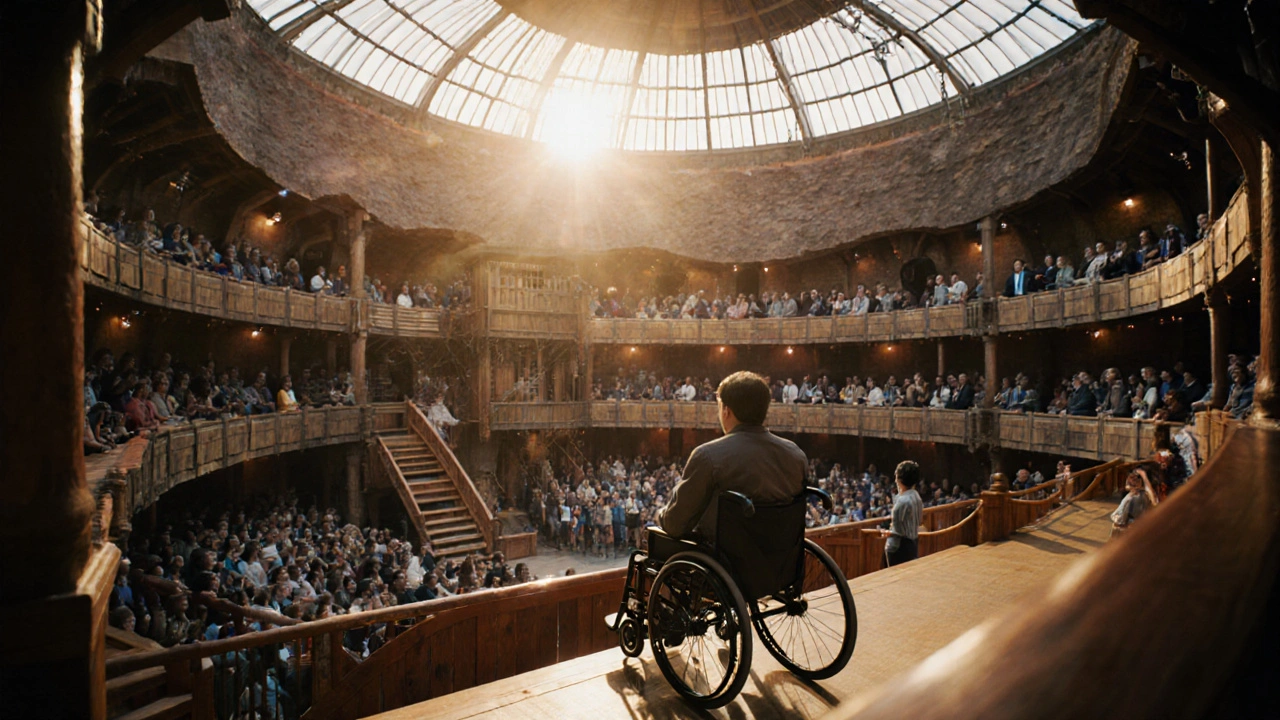
Accessible Theatre in London: Wheelchair Access and Captioned Shows
Discover wheelchair access, captioned shows, and inclusive theatre options across London's West End. Learn how to book accessible performances and where to find audio description, relaxed shows, and companion tickets.
READ MORE