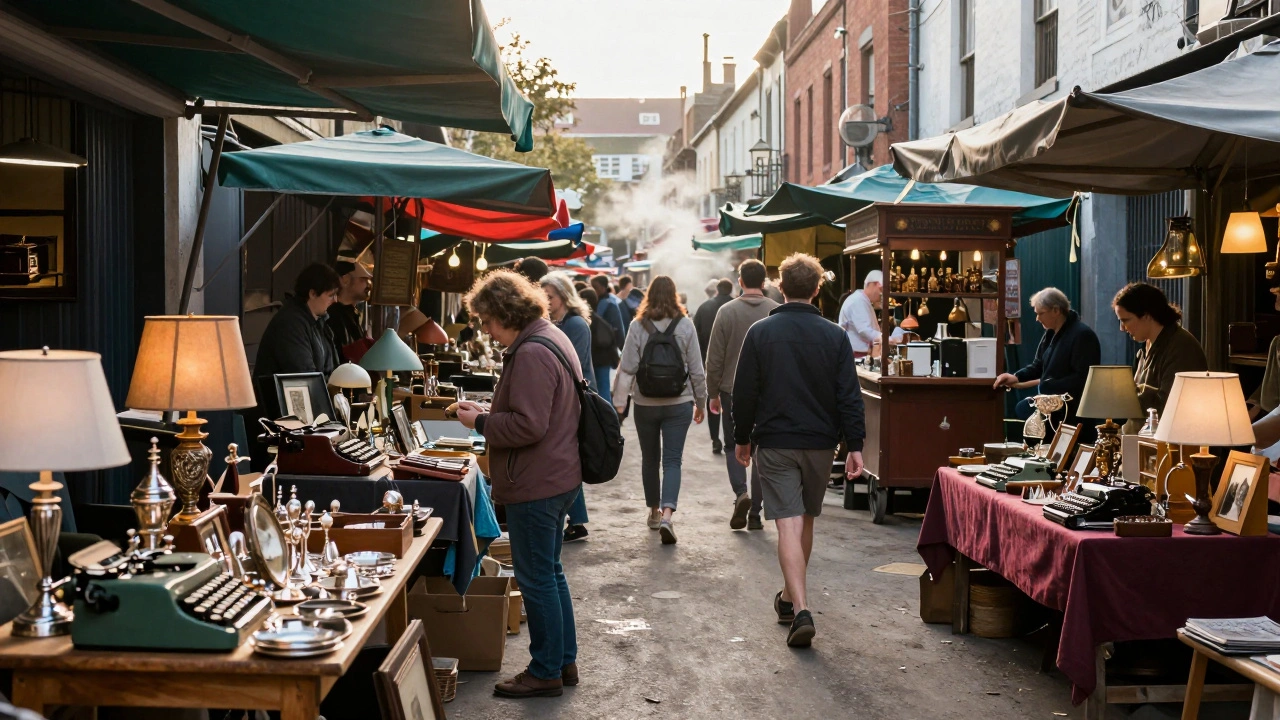
Walking down Portobello Road on a Saturday morning feels like stepping into a living museum, a flea market, and a foodie paradise all at once. The rainbow of stalls, the smell of fresh coffee and grilled chorizo, the sound of haggling and laughter - it’s not just a market. It’s an experience. And if you’re planning a visit, this guide cuts through the noise. No fluff. Just what you need to know to shop smart, find the best stuff, and avoid the traps.
What You’ll Find at Portobello Road Market
Portobello Road Market isn’t one market. It’s six different markets rolled into one stretch of road in Notting Hill. Each section has its own vibe, its own crowd, and its own treasures.
- Antiques (Saturday morning): This is the heart of the market. Over 1,000 stalls line the road from Golborne Road to Ladbroke Grove. You’ll find vintage typewriters, 1920s silverware, mid-century lamps, and yes - that one cracked teapot that somehow feels like home.
- Fashion & Vintage (Friday to Sunday): Think 1970s denim jackets, leather boots from the ’90s, and handmade jewelry. These stalls are run by people who know their stuff. Ask questions. Most sellers will tell you the history of the piece.
- Fruit & Veg (Daily): Forget supermarket produce. Here, you’ll find heirloom tomatoes, purple carrots, and fresh herbs you didn’t know existed. The stall at number 128 has been there since 1987. Their strawberries in July? Unbeatable.
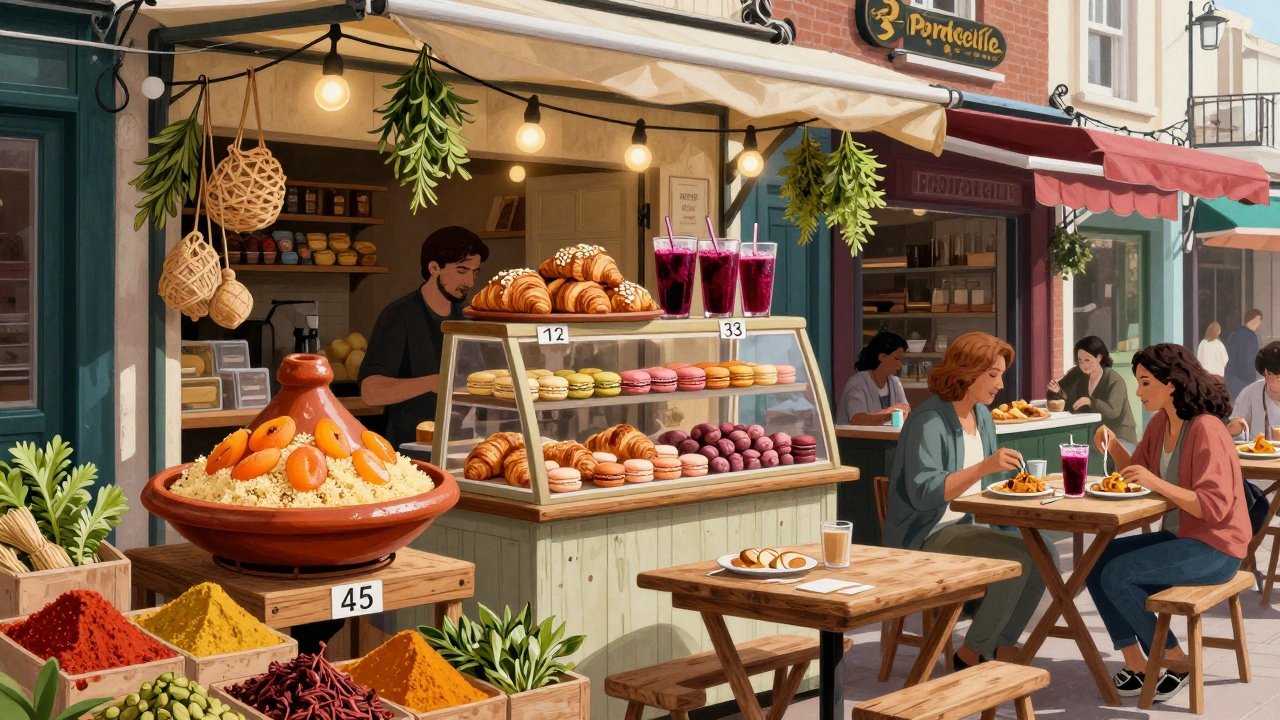
- Food Stalls (Daily): From Jamaican patties to handmade gelato, the food here is as diverse as the crowd. The Moroccan tagine at stall 45 is the reason people return.
- Collectibles & Curios (Saturday): Vinyl records, old postcards, Soviet-era badges, and first-edition comics. This is where you’ll find the weird, wonderful, and unexpectedly valuable.
- Art & Crafts (Weekends): Local artists sell paintings, ceramics, and handmade candles. Many are from nearby studios. You’re not buying mass-produced stuff - you’re buying a story.
Top 5 Vendors You Can’t Miss
Not every stall is worth your time. Here are the five that consistently stand out - based on quality, authenticity, and repeat visits from locals.
- Antique Emporium (Stall 52): Run by a retired auctioneer who’s been here since 1983. He doesn’t haggle much, but he’ll tell you the provenance of every item. A 1940s English oak writing desk here sold for £2,800 at Sotheby’s last year. He’ll let you know if something’s worth more than the price tag.
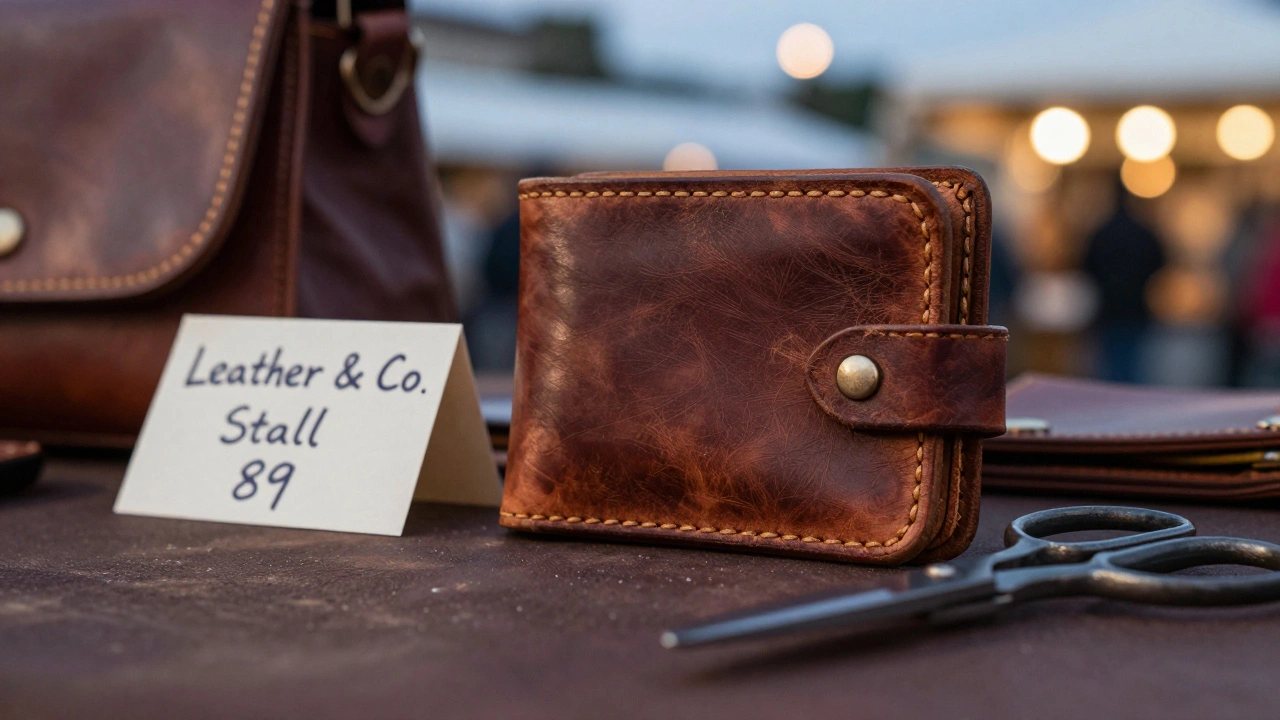
- Leather & Co. (Stall 89): Specializes in handmade belts, bags, and wallets from Italian and British tanneries. The owner, Marco, uses only vegetable-tanned leather. His wallets last 15+ years. One customer brought back a 20-year-old wallet he bought here - still in perfect shape.
- Spice & Co. (Stall 103): Not just a spice shop. This is where London’s chefs come for saffron, sumac, and smoked paprika. They sell single-origin spices, and you can smell each one before you buy. Their £5 bag of Aleppo pepper flakes? Worth every penny.
- Portobello Pâtisserie (Stall 112): Fresh croissants, éclairs, and macarons made daily. The owner trained in Lyon. The almond croissant has a 97% repeat customer rate. Get there before 10 a.m. - they sell out by noon.
- Record Shack (Stall 147): Thousands of vinyl records, from jazz to punk. The guy behind the counter, Dave, has been collecting since 1978. He’ll play you a 30-second clip of any record. Found a rare 1967 Pink Floyd pressing here last month - sold for £1,200 on Discogs.
When to Go - And When to Avoid
Timing matters. Portobello changes dramatically depending on the day.
- Saturdays: The busiest day. Crowds start at 7 a.m. Antiques and collectibles are at their peak. If you’re hunting for rare finds, this is your day. But expect to wait 15 minutes just to get through the crowd near the church. Sundays: Quieter. More food stalls and art vendors. Good for a relaxed browse. If you’re not into antiques, this is your best bet.
- Fridays: The quietest day. Fewer tourists. More locals shopping for groceries. The fruit and veg stalls are freshest here. Great if you want to avoid the rush.
- Monday to Thursday: Mostly closed. Only the fruit, veg, and food stalls operate. Not worth a special trip unless you’re staying nearby.
How to Shop Smart
Most visitors walk in with cash, leave with regrets. Here’s how to do it right.
- Bring cash - and small bills. Many vendors don’t take cards. £10, £20, and £50 notes are essential. You’ll need change for parking, coffee, and bargaining.
- Start at the top (Golborne Road) and walk down. The best antiques are near the start. The crowd thins out as you go south. You’ll find hidden gems near the end.
- Ask for the story. A vendor who tells you where they got something is more likely to be honest. If they say, “I got it from a garage sale,” dig deeper. “My uncle found it in a house in Kent” is a better sign.
- Don’t rush the price. If something’s marked £40, offer £25. Most sellers expect it. If they say no, walk away. They’ll often call you back.
- Check for damage. Antique furniture? Look for cracks, wobbly legs, mismatched wood. Vintage clothing? Check seams and buttons. A £50 jacket with a broken zipper might be worth £10 after repair.
What Not to Buy
Not everything at Portobello is worth your money. Avoid these common traps.
- “Authentic” Persian rugs from unknown sellers. Real ones cost £1,000+. If it’s £120 and says “100-year-old,” it’s fake.
- Crystal “healing” stones. They’re mass-produced in China. Same ones you’ll find on Amazon for £5.
- “Vintage” designer handbags. If the seller can’t show you a receipt, brand stamp, or serial number - it’s a knockoff.
- Overpriced postcards. The ones with “Notting Hill” printed on them? £3. You can buy the same for £1 online.
- Anything labeled “limited edition.” That’s just marketing. There’s no such thing as a “limited edition” plastic figurine from 1998.
Food & Drink You Can’t Skip
Portobello’s food scene is underrated. Here’s where to eat.
- Portobello Pâtisserie (Stall 112): Almond croissant. Get it warm.
- Stall 45 (Moroccan Tagine): Chicken with apricots and couscous. Served in a clay pot. Best under £10.
- Barrio (Stall 77): Vegan tacos. The jackfruit carnitas are surprisingly good.
- Stall 33 (Fresh Juice Bar): Cold-pressed beetroot, ginger, and apple. No sugar added.
- Stall 101 (Coffee Cart): Single-origin beans roasted daily. Espresso for £3.50.
Getting There & Parking
Portobello Road is in Zone 2. The easiest way to get there is by tube.
- Notting Hill Gate Station (Central Line): Exit onto Portobello Road. You’ll be at the middle of the market.
- Latimer Road Station (Circle Line): A 10-minute walk north. Less crowded entrance.
- By Car: Parking is tight. The nearest pay-and-display is on Ladbroke Grove. £3/hour. Arrive before 9 a.m. if you want a spot.
There’s no need to rush. Spend a few hours. Talk to the vendors. Taste the food. Let the market unfold around you. You’ll leave with more than souvenirs - you’ll leave with a story.
Is Portobello Road Market open every day?
Yes, but not everything is open daily. The fruit, veg, and food stalls operate every day. The antiques, vintage, and collectibles stalls are mostly open Friday to Sunday, with Saturday being the busiest. Monday to Thursday, you’ll find only a handful of food and grocery vendors.
Can I use a credit card at Portobello Road Market?
Some vendors accept cards, especially the food stalls and larger antique dealers. But many smaller sellers - especially those selling antiques, vinyl, and handmade goods - only take cash. Always carry £50-£100 in small bills. ATMs are scarce on the market, so withdraw cash before you go.
Is Portobello Road Market worth visiting on a weekday?
If you’re after antiques or vintage fashion, stick to weekends. But if you want a quieter, more local experience, Friday is ideal. The fruit and veg stalls are at their freshest, and you’ll have more space to browse. It’s also the best day to chat with vendors - they’re less rushed.
Are there fake antiques at Portobello Road Market?
Yes - and they’re easy to spot. If something looks too perfect, too cheap, or the seller won’t tell you where it came from, be cautious. Real antiques show wear: scratches, patina, mismatched parts. A 1920s lamp that looks brand new? Probably made in the 2000s. Ask for details. Good sellers are proud of their items’ history.
What’s the best time to arrive for antiques?
Arrive by 8 a.m. on Saturday. That’s when the best pieces come out - many vendors set up their most valuable items early. By 11 a.m., the crowd thickens, and the rare finds are gone. If you’re serious about hunting, be there before the coffee carts open.