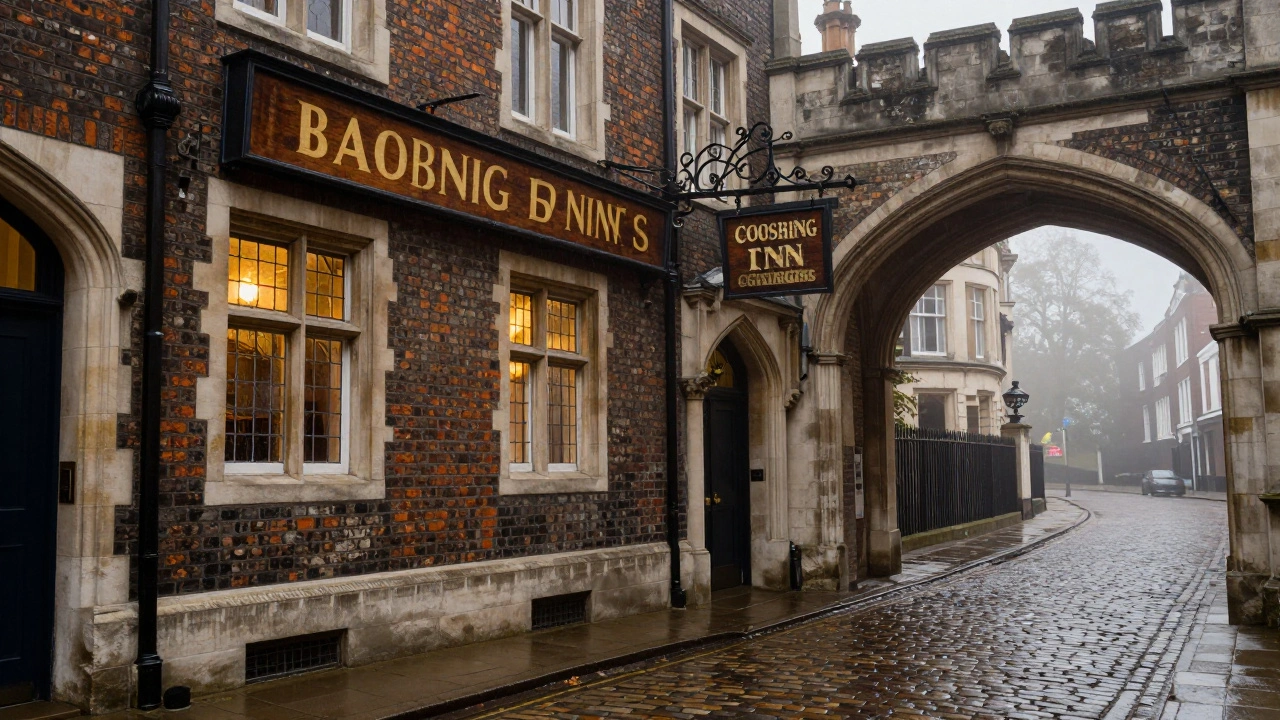
Quick Guide to Heritage Stays
- Coaching Inns: Former hubs for horse-drawn carriages, usually located near old city gates.
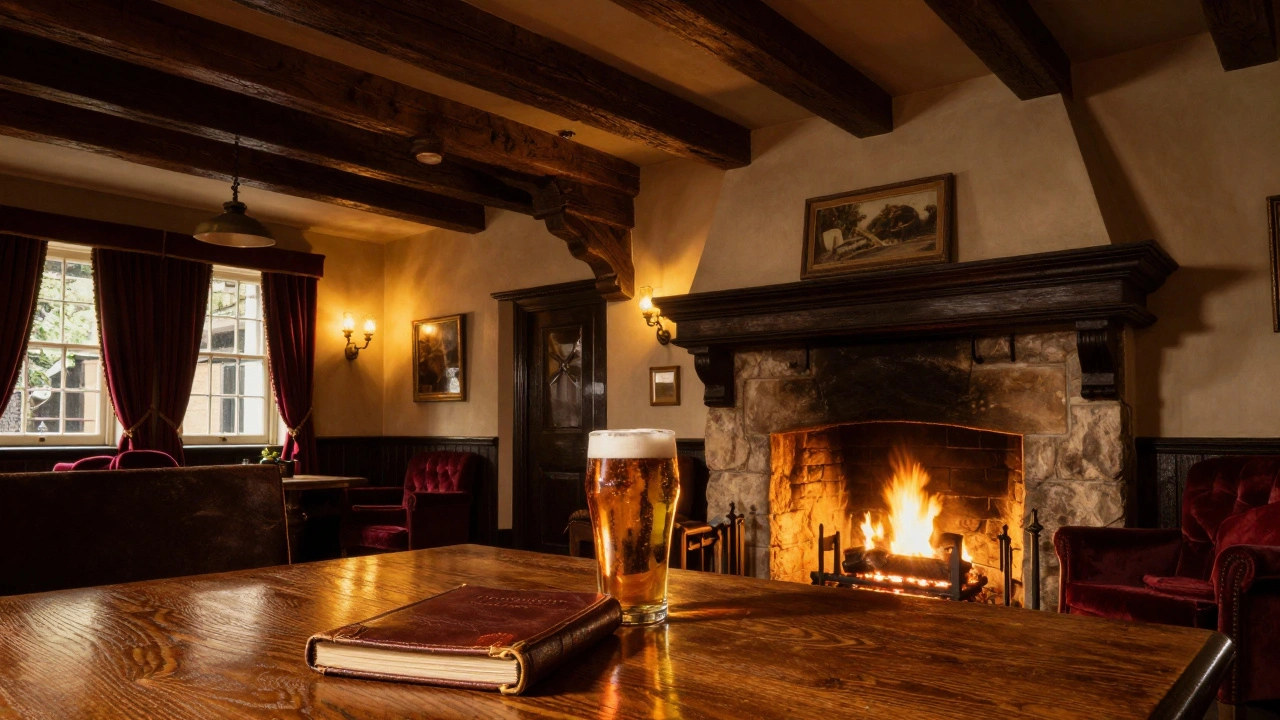
- Atmosphere: Expect low ceilings, oak beams, and roaring fireplaces.
- Top Picks: Look for establishments with "The" in the name and a date carved into the stone.
- Best Experience: Visit the public bars for a real taste of local history.
The Magic of the Coaching House
To understand these places, you have to understand the Coaching Inn is a type of historic hotel that served as a stopping point for stagecoaches and their passengers during the 18th and 19th centuries. Before the railway took over in the mid-1800s, these were the only ways to move people and mail across the country. If you were traveling from London to York, you didn't just book a room; you relied on the innkeeper for fresh horses, a warm meal, and a safe place to sleep.
These buildings were designed for utility. The wide archways you see at the front of many old London pubs weren't for decoration-they were so the massive coaches could pull right into the courtyard to unload luggage. Today, those courtyards have often become cozy beer gardens or boutique hotel entrances. When you stay in one, you're occupying a space that once saw the arrival of diplomats, merchants, and runaway lovers.
Where to Find the Real History
If you want to experience this, you need to look beyond the shiny skyscrapers of the City. Head toward Fleet Street or the winding alleys of The City of London. One of the most atmospheric spots is Ye Olde Cheshire Cheese. While it's more of a pub now than a hotel, it's the gold standard for heritage. It was rebuilt after the Great Fire of London in 1666 and feels like a subterranean labyrinth of sawdust and old stories.
For those seeking a bed, look for converted coaching houses in the outskirts or the historic core. These properties often maintain their original "cellar" feel. You'll find that the rooms are smaller than modern hotels, but they make up for it with character. Think heavy velvet curtains, brass fixtures, and walls that have absorbed centuries of conversation. It's the difference between staying in a sterile corporate box and staying in a living piece of British Heritage.
| Feature | Modern Luxury Hotel | Historic Coaching Inn |
|---|---|---|
| Room Layout | Standardized, spacious | Unique, often quirky sizes |
| Atmosphere | Polished and predictable | Rustic, cozy, and atmospheric |
| Architecture | Glass and Steel | Oak beams and Brickwork |
| Vibe | Efficient and quiet | Lively public spaces, storied halls |
Tales from the Guestbook
The real soul of these inns lies in the stories. I once spoke to a regular at an old East End haunt who claimed the basement was used as a hideout during the Blitz of WWII. While the manager laughed it off, the thick stone walls and hidden alcoves make you believe it. There's something about the dim lighting and the smell of old wood that makes you want to whisper.
Travelers often report a strange sense of continuity. You might be drinking a craft cocktail in 2026, but you're sitting in a booth where a Victorian businessman once complained about the price of grain. These places act as a bridge. They remind us that while technology changes-from horse-drawn carriages to the Elizabeth Line-the basic human need for a warm fire and a drink after a long journey remains exactly the same.
How to Spot a Genuine Heritage Inn
Not everything that looks old is actually old. London is full of "faux-heritage" places. To find the real deal, look for these specific clues:
- The Signage: Look for hand-painted wooden signs hanging from iron brackets. If the sign is a plastic light-box, keep walking.
- The Floorboards: If the floors creak under your weight and the boards aren't perfectly level, you've likely found a building with original foundations.
- The Layout: Real coaching inns usually have a central courtyard. If the building is a flat slab against the street, it's probably a later addition.
- The Fireplace: Look for hearths that are too large for modern needs. Those massive chimneys were designed to heat large rooms of travelers in the dead of a London winter.
Practical Tips for Your Heritage Stay
Staying in a historic building is a bit different from booking a Hilton. You need to adjust your expectations. First, don't expect a lift in every building. Many of these places have narrow, winding stairs that would make a mountain goat nervous. If you have heavy luggage, check if they have a porter or if there's a side entrance.
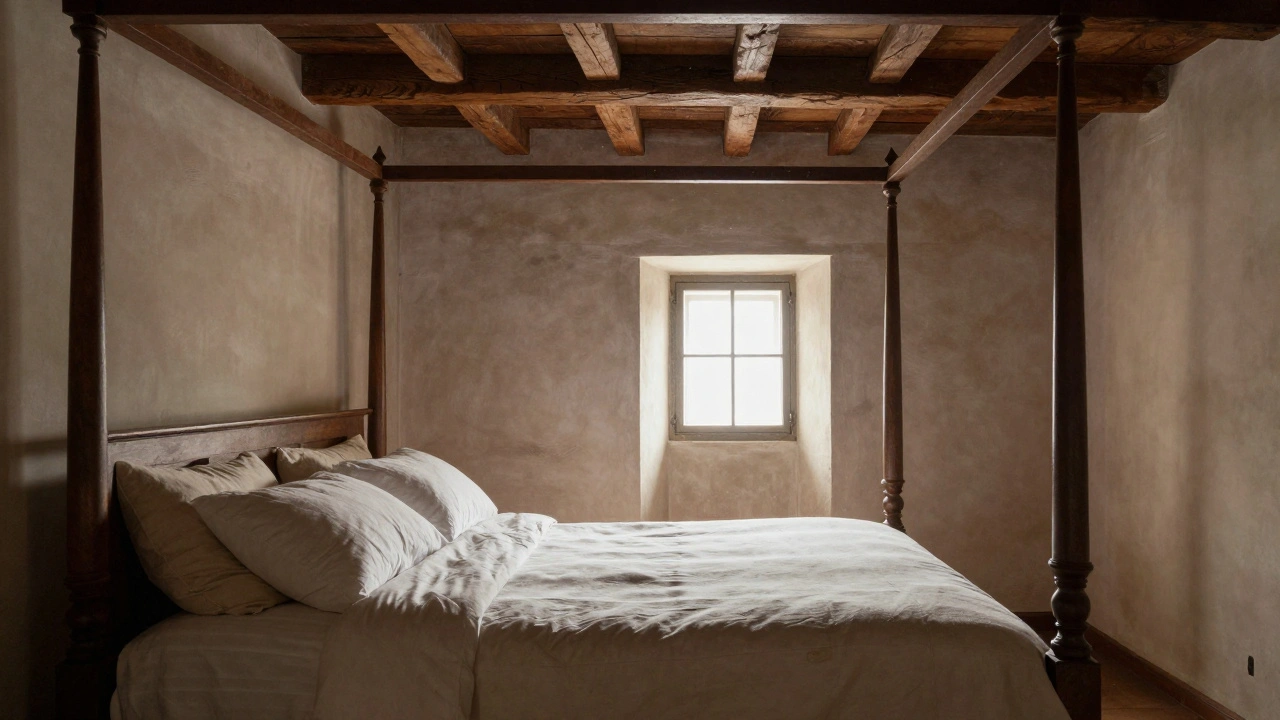
Second, be prepared for "character" quirks. This is a polite way of saying the radiator might clank or the shower might be smaller than your suitcase. But that's part of the charm. The trade-off is a level of intimacy and warmth you simply can't buy in a modern skyscraper. When you're tucked into a four-poster bed under a ceiling that's been there since the Regency era, the lack of a giant bathtub doesn't really matter.
Connecting the Dots: Beyond the Bed
To get the most out of your trip, pair your stay with a walk through the City of London's smaller lanes. Visit the nearby Museum of London to see how the city evolved from a Roman settlement to a global hub. Understanding the growth of the city makes the architecture of the inns make more sense. You start to see why the inns are clustered where they are-usually near the old gates or river crossings.
If you're visiting in the winter, there's nothing quite like the contrast of a rainy, grey London afternoon and the golden glow of a coaching house interior. It's the ultimate form of Slow Travel. Instead of ticking off ten tourist sites in one day, try spending an afternoon in the lounge of a historic inn, reading a book and watching the world go by. It's the most authentic way to experience the city's pulse.
Are historic inns in London expensive?
It varies. Some have been converted into luxury boutique hotels which can be pricey. However, many traditional inns still offer mid-range pricing. The key is to look for those that maintain a public bar, as they are often more affordable than the pure luxury heritage hotels.
Is it safe to stay in very old hotels?
Absolutely. While the buildings are old, they must adhere to strict modern UK building and safety regulations, including fire safety and electrical codes. You get the old-world aesthetic with modern safety standards.
What is the difference between an inn and a pub?
A pub (short for public house) primarily serves drinks and food. An inn historically provided both a pub and overnight accommodation for travelers. While many inns now function mainly as pubs, the term "inn" implies a place of rest and lodging.
Do these inns have Wi-Fi and modern amenities?
Yes, almost all do. Even the most historic places have integrated Wi-Fi and heating. However, the thick stone walls can sometimes make the signal a bit spotty in certain corners-which is actually a great excuse to put your phone away.
Where is the best area to find these houses?
Focus on the areas around the old City walls, Fleet Street, and the historic corridors leading out toward the suburbs. These areas were the primary routes for stagecoaches and therefore have the highest concentration of original coaching houses.
Next Steps for Your Trip
If you're planning a visit, start by mapping out a few specific heritage spots. Don't just book one hotel; spend an afternoon "pub crawling" through the oldest inns in the city to see which atmosphere you prefer. If you find a place you love, check if they have a resident historian or a guestbook you can read-they often contain the best tips for finding other hidden gems in the neighborhood.
For those who find London too crowded, consider taking a short trip to the Cotswolds or the Peak District. The coaching inn culture there is even more preserved, with many villages consisting of a single church, a post office, and a centuries-old inn that serves as the heart of the community.