
Quick Wins for Your Comeback
- Prioritize compound movements (squats, deadlifts, presses) over machines.
- Focus on progressive overload-adding small amounts of weight each week.
- Choose a gym based on the equipment quality, not the fancy sauna.
- Prioritize protein intake (around 1.6g to 2.2g per kg of body weight) to support muscle repair.
The Shift Toward Functional Power
For a long time, the trend was all about high-intensity interval training or boutique classes that felt more like dance parties than workouts. But things changed. We're seeing a surge in strength training is the systemic exercise of using resistance to increase skeletal muscle strength and size. This isn't just for bodybuilders. It's for the office worker in Canary Wharf who wants to fix their posture and the retiree in Richmond who wants to maintain bone density.
The "comeback" aspect of 2025 is rooted in a desire for longevity. People are realizing that muscle is essentially an insurance policy for old age. When you focus on Hypertrophy, which is the enlargement of muscle cells, you're not just building a physique; you're improving your metabolic health and insulin sensitivity. If you've been out of the game, the key is to avoid the 'hero complex'-trying to lift what you did five years ago on day one. Instead, the smart move is a gradual ramp-up to avoid tendon injuries.
Top London Gyms for Serious Lifters
Finding the right spot in London depends on whether you want a community vibe or a place to disappear into your headphones. If you're looking for a high-performance environment, you can't ignore the specialized warehouses of East London. These spots usually offer the best Powerlifting setups, meaning they have calibrated plates and sturdy racks that won't shake when you're hitting a new personal best.
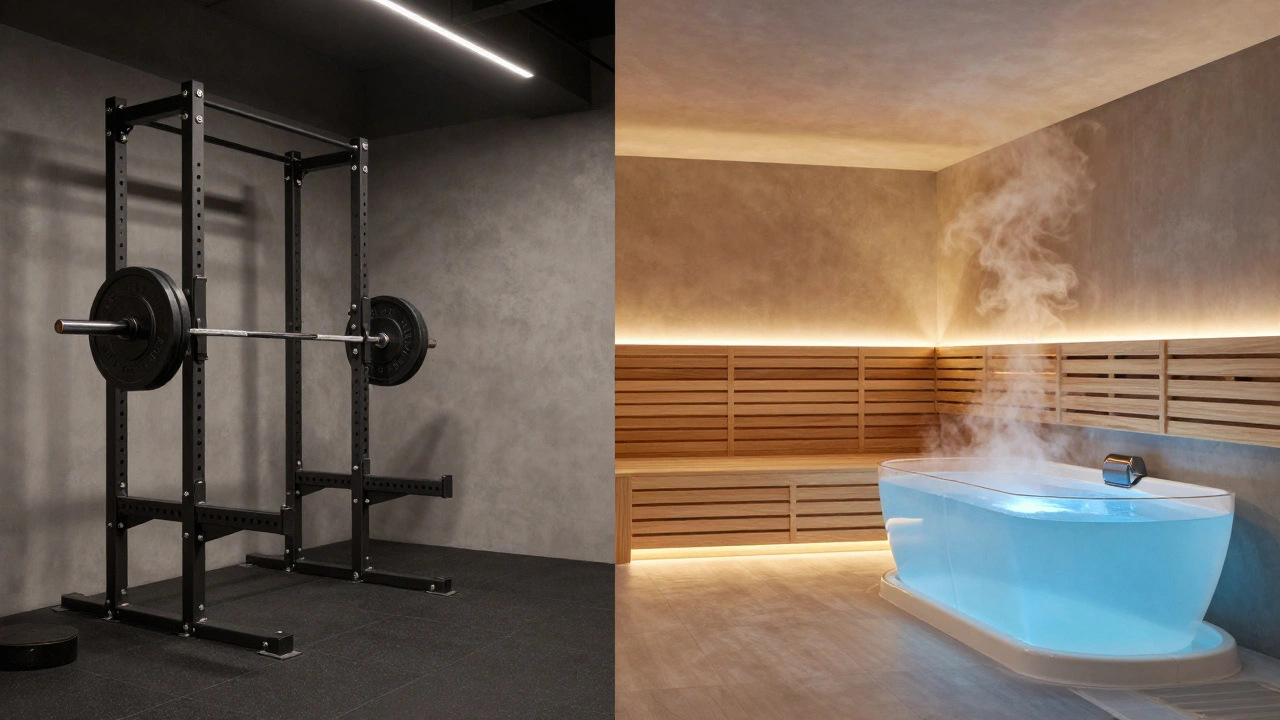
For those who prefer a more structured, high-end experience, the gyms around Marylebone and Mayfair have evolved. They've moved beyond just 'wellness' and now integrate heavy lifting with recovery tools like cold plunges and infrared saunas. This hybrid approach is perfect for those recovering from an injury or returning after a long hiatus, as it balances the stress of heavy weights with active recovery.
| Gym Type | Best For | Key Equipment | Vibe |
|---|---|---|---|
| Hardcore Warehouses | Advanced Strength | Monolifts, Calibrated Plates | Intense / Gritty |
| Premium Health Clubs | General Wellness | Hammer Strength, Pelotons | Polished / Calm |
| CrossFit Boxes | Variety & Community | Rings, Rowing Machines | High Energy |
Programs That Actually Deliver Results
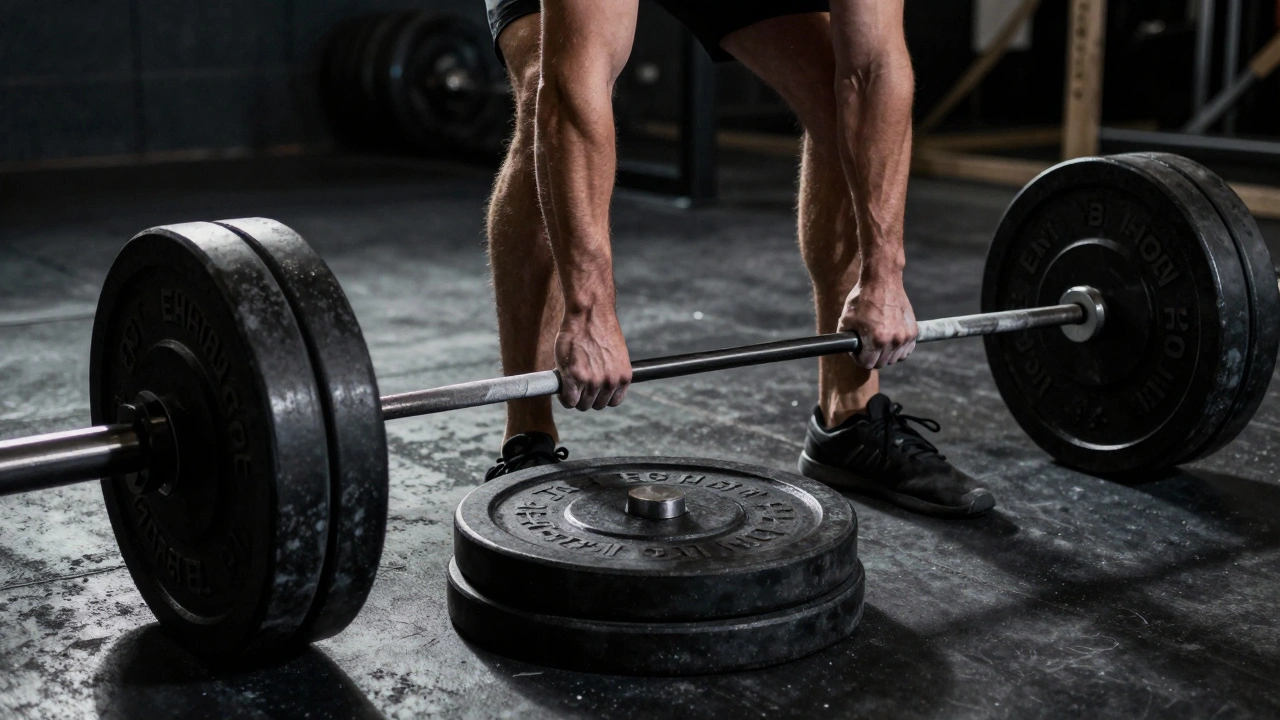
Walking into a gym without a plan is the fastest way to plateau. In 2025, the most effective programs are those based on Progressive Overload. This means gradually increasing the weight, frequency, or number of repetitions in your strength training routine to keep challenging your muscles.
If you are restarting, look for a "Linear Progression" model. This is where you add a small, set amount of weight to the bar every single session. It works incredibly well for the first six months of a comeback because your nervous system adapts quickly. For those more advanced, Periodization-the systematic planning of athletic training-is the gold standard. You might spend four weeks focusing on volume (more reps) and then transition into a four-week block of intensity (heavier weights, fewer reps). This prevents burnout and keeps you from hitting a wall.
Don't ignore the role of Compound Exercises. These are movements that use multiple joints and muscle groups at once. Think of the big three: the squat, the bench press, and the deadlift. Instead of spending an hour on a bicep curl machine, spending twenty minutes on heavy overhead presses provides a much higher return on investment for your time and effort.
Avoiding the Common Comeback Pitfalls
The biggest mistake people make when returning to strength training is ignoring their mobility. You cannot force a 40-year-old body to squat like a 20-year-old body without some preparation. Spend ten minutes on dynamic stretching-leg swings, arm circles, and cat-cow stretches-before you even touch a barbell. This lubricates the joints and wakes up your central nervous system.
Another trap is the "social media ego." You see a clip of someone lifting 200kg in a London gym and feel the need to match it. Strength is a marathon, not a sprint. Focus on your form first. If your back rounds during a deadlift, the weight doesn't count. It's better to lift 60kg with perfect form than 120kg with a curved spine that puts you in a physiotherapy clinic for six weeks.
Lastly, watch your recovery. Sleep is where the actual growth happens. If you're training five days a week but only sleeping five hours, you're essentially wasting your time in the gym. Aim for 7-9 hours of quality sleep and keep your hydration levels high. A simple rule of thumb: if you're feeling exhausted and your grip strength is failing, take a Deload Week. This is a planned period of reduced training volume to allow your body to fully recover from accumulated fatigue.
Integrating Strength Into a Busy London Life
Living in London means dealing with long commutes and high stress. Fitting in a heavy lifting session can feel impossible. The trick is the "minimum effective dose." You don't need two hours in the gym. Three intense, 45-minute sessions per week are often more effective than six mediocre sessions. Focus on full-body workouts rather than a "bro-split" (where you only train one muscle group per day). Training your whole body three times a week keeps your protein synthesis elevated more consistently.
For those who struggle with time, look for gyms located near major transport hubs like Waterloo or Liverpool Street. The proximity reduces the friction of getting to your workout. Also, consider the shift toward hybrid training-combining strength work with light cardiovascular activity like walking or swimming. This keeps your heart healthy while you build the muscle needed for a strong comeback.
How long does it take to see results when returning to strength training?
Thanks to muscle memory, those who have trained before often see results faster than complete beginners. You'll likely notice a significant increase in strength within 4 to 8 weeks, though visible muscle growth usually takes 12 weeks of consistent training and proper nutrition.
Do I need a personal trainer for a strength comeback?
It's not mandatory, but it's highly recommended for the first few sessions. A trainer can check your form on compound lifts to ensure you aren't risking injury. Once you've mastered the mechanics of the squat, bench, and deadlift, you can move to a structured program on your own.
What is the best time of day to lift for strength?
While the 'best' time is whenever you can actually be consistent, many people find they are strongest in the late afternoon or early evening. This is when core body temperature is highest, which generally improves muscle function and joint lubrication.
Should I do cardio before or after lifting?
If your goal is maximum strength, do your cardio after your lifting session or on separate days. Doing intense cardio first depletes the glycogen stores in your muscles, leaving you with less energy to push heavy weights, which can limit your progress.
How do I know when to increase the weight?
Use the 'two-for-two' rule. If you can perform two more repetitions than your target goal for two consecutive workouts, it's time to increase the weight. This ensures you are progressing without jumping too quickly and risking your form.
Next Steps for Your Journey
If you're just starting, your first move should be a basic equipment audit. Do you have a gym nearby with a squat rack and a barbell? If not, look for a dedicated strength facility rather than a generic fitness center. Your second step is to pick a simple program-like Starting Strength or 5/3/1-and stick to it for at least twelve weeks without changing it.
For those who are already training but feel stalled, try changing your rep ranges. If you've been doing 5 reps, try moving to 8-12 for a month to build a base of hypertrophy before returning to lower reps for strength. Finally, start a training log. Whether it's a notebook or an app, tracking your lifts is the only way to guarantee you're actually getting stronger and not just going through the motions.