London Craft Week 2025 is back with more handmade magic than ever
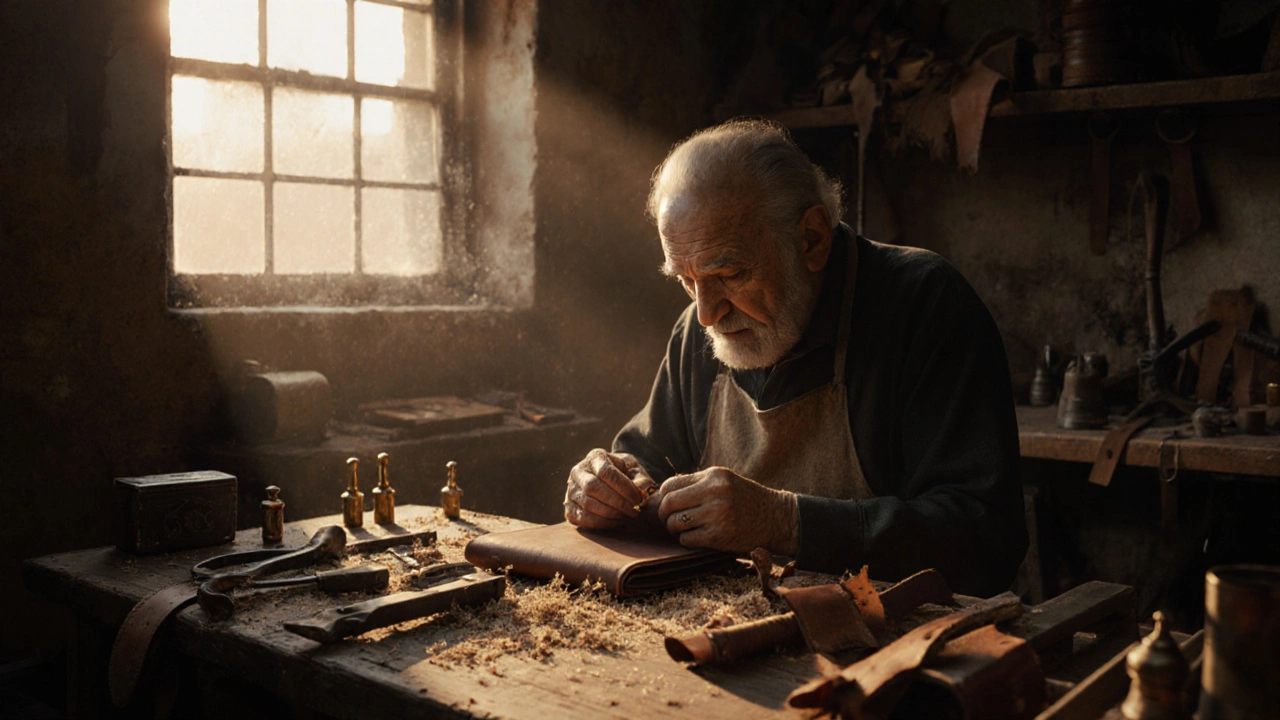
This year, London Craft Week runs from May 15 to May 25, 2025, turning the city into a living gallery of skilled hands, quiet craftsmanship, and deeply personal creations. Over 120 makers-potters, bookbinders, blacksmiths, textile artists, and woodcarvers-will open their studios, workshops, and pop-up spaces across neighborhoods you might never have thought of as craft hubs. From a tiny basement in Peckham where someone hand-stitches leather wallets using 19th-century tools, to a converted Victorian bakery in Shoreditch displaying hand-thrown ceramics that took 40 hours each to fire, this isn’t just a festival. It’s a rare chance to see how real things are made, by real people, in real time.
Unlike big trade shows where everything looks polished and mass-produced, London Craft Week thrives on imperfection. You’ll find a ceramicist whose mugs have uneven glazes because she fires them in a wood-burning kiln. You’ll meet a weaver who dyes her yarn with onion skins and beetroot. These aren’t trends. They’re traditions kept alive by people who refuse to let machines take over the soul of making.
Where to find the best workshops
Workshops are the heartbeat of London Craft Week. You don’t just watch-you get your hands dirty. This year, over 80 hands-on sessions are open to the public, and most cost under £30. Some fill up in minutes, so book early.
- Bookbinding at The London Bookbindery (May 17): Learn to stitch a journal using traditional French link stitch. You’ll leave with a handmade book, plus the skills to make ten more at home.
- Clay Wheel Throwing at The Pottery Workshop, Camden (May 18): No experience needed. In two hours, you’ll center a lump of clay and pull up your first mug. Even if it leans to the left, it’ll be yours.
- Hand-Forged Knife Making at The Forge in Bermondsey (May 20): Watch a master blacksmith heat steel to 1,500°C, then shape it with hammer and anvil. You can even try a few swings yourself.
- Natural Dyeing with Plants at The Botanical Studio, Hackney (May 22): Dip wool in dye made from avocado pits, walnut shells, and indigo. Take home a scarf you colored yourself-no chemicals involved.
These aren’t demos. They’re lessons. The makers teach because they want you to understand the time, skill, and patience behind every object. One participant last year said, "I spent £20 on a mug I made. I used to buy £100 ones from a department store. Now I know why the cheap ones feel hollow."
Meet the makers behind the magic
London Craft Week isn’t about big brands. It’s about people. This year, you’ll find:
- Amira Nkosi, a textile artist from South London who weaves tapestries from recycled denim and vintage lace. Her pieces tell stories of migration and memory.
- David Tran, who carves wooden spoons from fallen cherry trees in Epping Forest. Each one takes 12 hours. He sells them for £45. "People think it’s expensive," he says. "But it’s not. It’s the spoon that lasts 30 years."
- Maya Chen, a papermaker who uses mulberry bark and wildflowers to create sheets so delicate you can see light through them. She prints poetry on them-by hand-with ink she mixes herself.
These makers don’t have Instagram influencers behind them. They have customers who return year after year because they trust the hands that made their things. At the opening night reception at the Royal College of Art, you’ll find buyers from Japan, Berlin, and New York-people who come to London specifically to find what they can’t get anywhere else.

Exhibitions you can’t miss
Exhibitions this year are spread across 15 venues, from the Victoria and Albert Museum’s hidden craft wing to a converted tube station in Clapham. Don’t skip these:
- "The Hand That Holds the Tool" at the V&A (May 16-25): A collection of 40 tools used by London makers-from a 1920s woodcarver’s gouge to a modern laser cutter used to etch glass. The contrast is striking.
- "Made in London" at the Old Truman Brewery (May 15-22): 60 makers in one space. Every item is for sale. You can buy a candle poured in a recycled wine bottle, a pair of felt boots dyed with indigo, or a brass compass made from scrap metal.
- "Craft in the Underground" at Clapham Common Station (May 18-21): A pop-up gallery in the old ticket hall. Artists display work on wooden benches where commuters once waited. It’s quiet. It’s unexpected. It’s powerful.
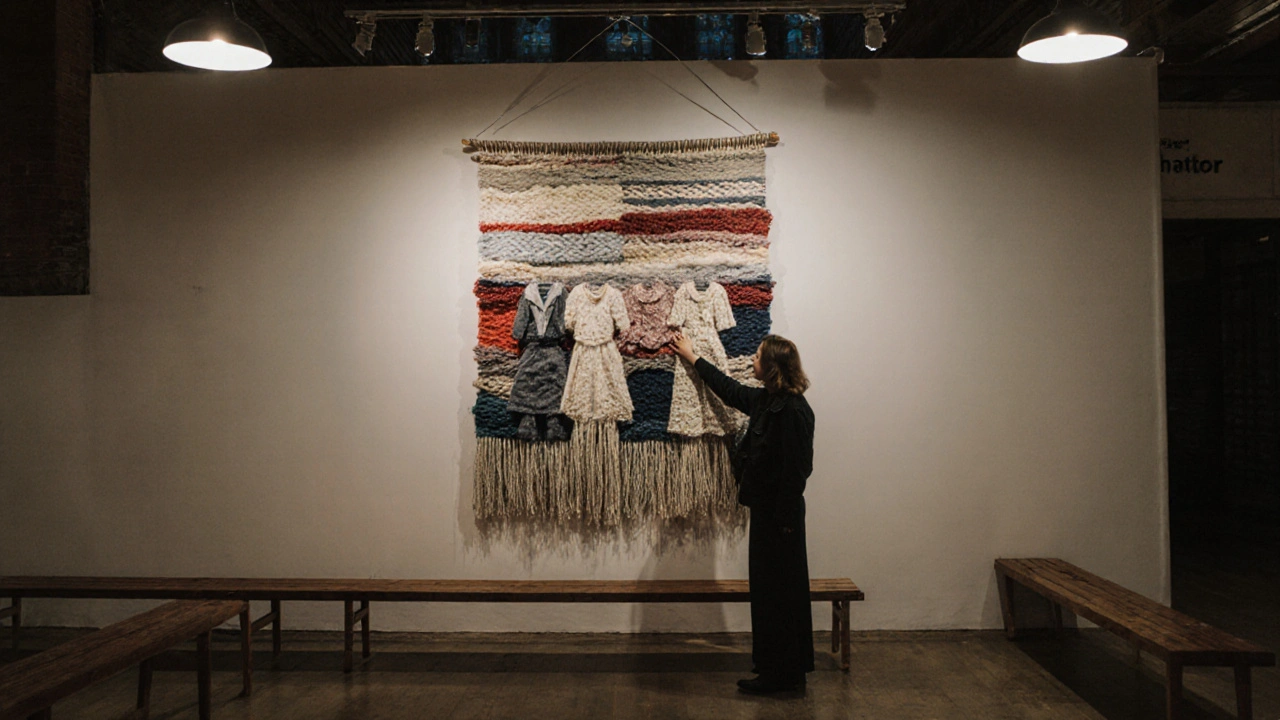
One standout piece this year is a 12-foot-long woven wall hanging by artist Lila Okoye. It’s made from threads collected from 200 Londoners’ old clothes. Each thread carries a memory: a wedding dress, a child’s sweater, a work uniform. It’s not just art. It’s a collective portrait of the city.
Why this matters now
In a world where everything is made fast, cheap, and disposable, London Craft Week is a quiet rebellion. The average British household throws away 30kg of textiles every year. We buy things we don’t need, then replace them before they break. But here, you’ll meet someone who spent six months making a single wooden bowl-and will repair it if you ever crack it.
Studies from the Crafts Council show that people who buy handmade goods report higher satisfaction and longer-lasting relationships with their possessions. One survey found that 78% of buyers who purchased a handmade item in 2024 still used it daily two years later. Compare that to 22% for mass-produced equivalents.
This isn’t nostalgia. It’s practical wisdom. When you buy something made by hand, you’re not just buying an object. You’re buying time, care, and a story. You’re supporting someone who chooses to make things slowly, beautifully, and with integrity.
How to plan your visit
London Craft Week is free to enter. But planning helps.
- Visit londoncraftweek.org and download the official app. It has maps, workshop schedules, and real-time updates on sold-out slots.
- Focus on one neighborhood per day. East London has the most makers. Try Hackney, Shoreditch, and Walthamstow.
- Bring cash. Many makers don’t take cards.
- Go early. Workshops fill up fast. The best exhibitions are quietest in the mornings.
- Ask questions. Makers love to talk about their process. Don’t be shy.
If you’re short on time, head to the Central Hub at the Design Museum on May 17. It’s the only place with all 120 makers represented in one building, plus live demonstrations every hour.
What to take home
You won’t leave empty-handed. Here’s what’s trending this year:
- Hand-thrown mugs with glaze that changes color in sunlight
- Leather journals stitched with waxed linen thread
- Small wooden boxes carved with local bird silhouettes
- Beeswax candles poured in reused jam jars
- Hand-forged steel bottle openers made from recycled rail spikes
Prices range from £8 for a hand-stamped coaster to £450 for a custom-made dining table. Most items are under £75. You’re not paying for a brand. You’re paying for a person’s skill-and the fact that no one else in the world has exactly what you’re holding.
What happens after the week ends?
Many makers keep their doors open year-round. Some offer monthly workshops. Others ship nationally. After the festival, you can still find them through the London Craft Map on the official site. It’s updated monthly with new makers, pop-ups, and studio openings.
And if you’re inspired? Start small. Buy one handmade thing this month. Not because it’s trendy. But because it’s real. And in a world that moves too fast, that’s the rarest thing of all.
When does London Craft Week 2025 take place?
London Craft Week 2025 runs from May 15 to May 25. Most events are open daily from 10am to 6pm, with some evening openings on weekends. Workshops require advance booking, and many sell out within days of tickets going live.
Is London Craft Week free to attend?
Yes, entry to all exhibitions and open studios is free. However, hands-on workshops cost between £15 and £40 per person. These fees cover materials and direct support to the maker. Booking is essential for workshops-spaces are limited.
Can I buy items at the event?
Absolutely. Nearly every maker sells their work directly at the event. Prices range from £5 for small items like coasters or pins to over £500 for large furniture or sculptural pieces. Many makers accept cash only, so bring enough. Some also take contactless payments, but don’t assume.
Where are the best places to find handmade goods in London outside of the festival?
After the festival, check out independent shops like The Crafty Fox in Shoreditch, The Makers Market at Spitalfields, and The Craft Room in Peckham. Many makers also run online shops through the London Craft Week directory. The Craft Map on londoncraftweek.org is updated monthly with new makers and locations.
Are there workshops for beginners?
Yes. Most workshops are designed for complete beginners. No experience is needed for pottery, bookbinding, natural dyeing, or wood carving sessions. Makers provide all tools and materials. You’ll be guided step-by-step. Even if your first mug is lopsided, you’ll still take home something you made yourself.
How do I know if a maker is legitimate?
All makers in London Craft Week are vetted by the Crafts Council and must demonstrate they make their work by hand, in the UK, using traditional or contemporary craft skills. You won’t find mass-produced imports or kits. Every item is made by the person selling it. Look for the official London Craft Week badge on their stall or website.