When you think of Greek food, you probably picture sizzling souvlaki, creamy tzatziki, and flaky spanakopita. But finding real Greek food in London isn’t as easy as stumbling into a kebab shop with a flag out front. True Greek cuisine is about fresh ingredients, slow-cooked meats, and recipes passed down through generations-not the overpriced, over-sauced versions you get in tourist zones. If you’re looking for the real deal, here are the restaurants in London that actually taste like they’re on a backstreet in Thessaloniki or a hillside village in Crete.
What Makes Greek Food in London Different
Not every place that calls itself "Greek" serves Greek food. Many restaurants mix in Turkish, Lebanese, or even British flavors just to appeal to wider crowds. Authentic Greek cuisine is simpler. It relies on olive oil, lemon, oregano, and fresh seafood. Meats are grilled over charcoal, not fried. Yogurt is thick, not watery. Feta is salty and crumbly, not rubbery. And don’t expect to find hummus on the menu-it’s not Greek, it’s Levantine.
The best spots in London know this. They import feta from the Peloponnese, use Cretan olive oil, and hire chefs who trained in Athens or on the islands. You’ll taste the difference in the way the olive oil coats your tongue-rich, peppery, and alive. That’s not something you can fake.
Top 5 Authentic Greek Restaurants in London
1. Kyma
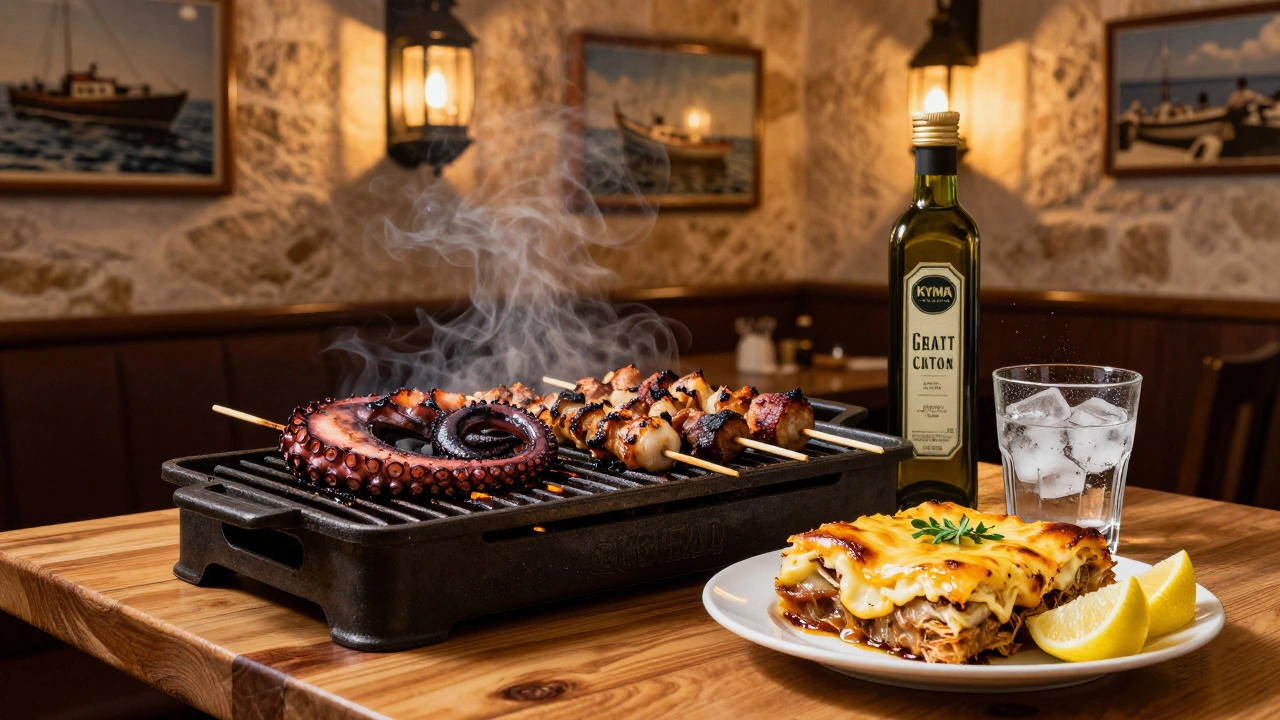
Located in Soho, Kyma has been serving traditional Greek dishes since 2012. The owner, a former fisherman from Mykonos, insists on daily deliveries of fresh seafood. Their grilled octopus is tender, charred just right, and served with a splash of lemon and oregano. The moussaka here is layered with eggplant, minced lamb, and a béchamel sauce that’s made from scratch-not bought in bulk. Don’t skip the loukoumades for dessert. These honey-drenched dough balls are warm, crispy on the outside, and fluffy inside. They’re the closest thing to eating dessert on a Greek island.
2. Strofi
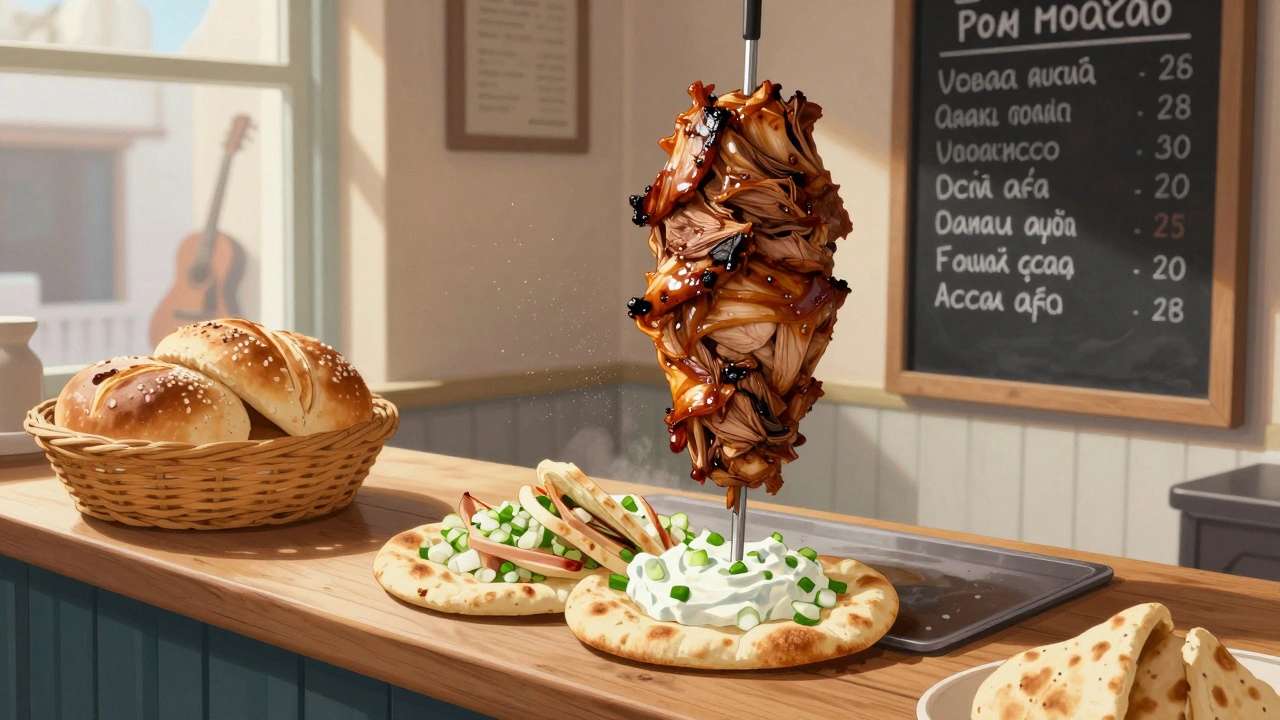
Strofi in Brixton is the kind of place where you’ll hear Greek music playing softly, and the staff might ask you where you’re from in Greece. The menu is small but focused: grilled meats, seasonal salads, and homemade cheeses. Their gyros is made with slow-roasted pork shoulder, carved fresh off the vertical spit, and wrapped in warm pita with onions and a tangy tomato sauce. The tzatziki? Thick, with real cucumber and garlic-not the watery version you get elsewhere. They also make their own tsoureki, a sweet Easter bread, every weekend. It’s not on the menu, but if you ask, they’ll give you a slice.
3. Ouzeri
Ouzeri, tucked away in a quiet corner of Notting Hill, feels like stepping into a family-run taverna in Patras. The walls are lined with old Greek photos, and the tables are wooden and worn. The menu changes weekly based on what’s fresh. One week you might get kalamarakia (fried squid) with lemon and capers. The next, it’s stifado-a slow-cooked rabbit stew with onions and cinnamon. The highlight? Their ouzo selection. They import six different kinds directly from Greek distilleries. Sip it with a plate of meze-small dishes like stuffed grape leaves, grilled halloumi, and marinated olives. It’s not a meal. It’s an experience.
4. The Greek Larder
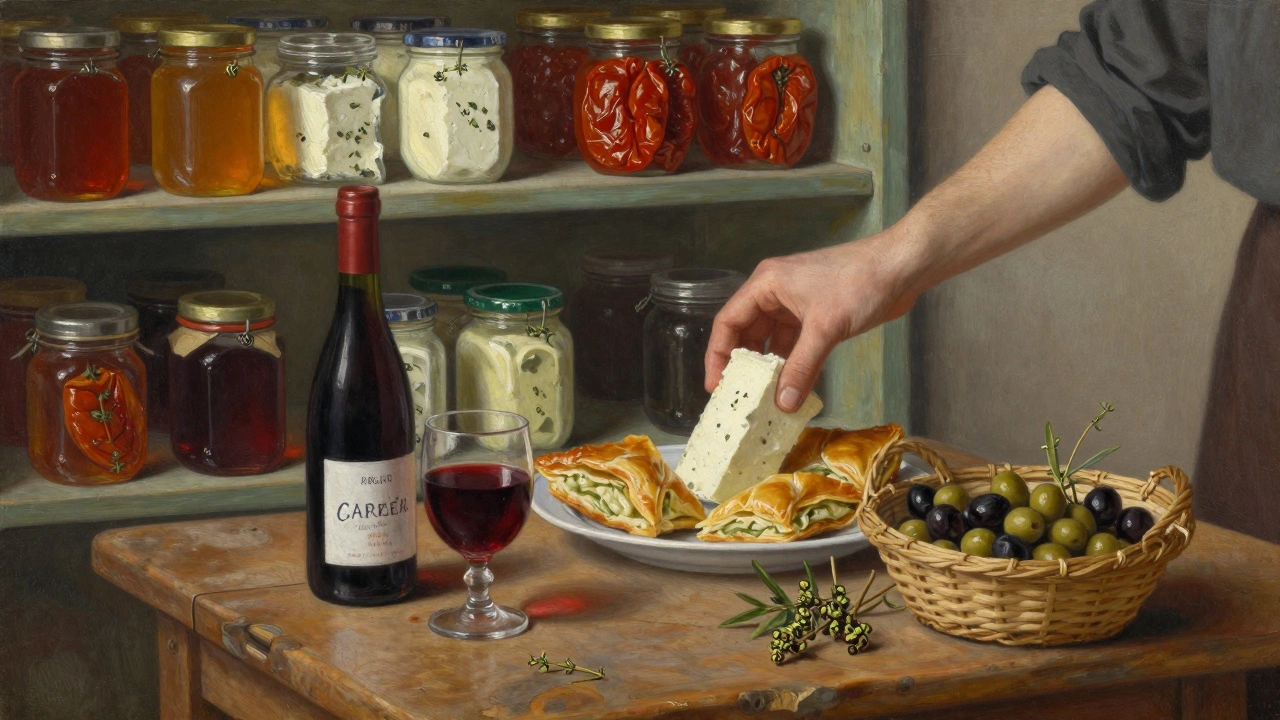
Opened in 2020 by a couple who moved from Crete, The Greek Larder is part restaurant, part deli. You can order a full meal, but you can also buy jars of thyme honey, smoked feta, and sun-dried tomatoes to take home. Their pastitsio (Greek lasagna) is a standout-baked with tubular pasta, spiced beef, and a golden cheese topping. The spanakopita here has layers of phyllo so crisp they crackle when you bite into them. The filling? Spinach, dill, and feta, with no added egg or filler. It’s pure, simple, and perfect.
5. Kuzina
Kuzina in Shoreditch is where London’s Greek expats go after work. It’s unassuming, with mismatched chairs and a chalkboard menu. But the food? Unmistakably authentic. Their souvlaki is the best in the city. Pork marinated in lemon, garlic, and oregano, grilled on skewers, and served with a side of warm pita, a mountain of chopped tomatoes, and a generous dollop of tzatziki. They also serve gigantes plaki-giant white beans baked in tomato sauce with thyme and bay leaf. It’s comfort food with roots. And the owner still makes her own wine from imported Greek grapes. You can buy a bottle if you ask nicely.
What to Order When You Go
Here’s a quick cheat sheet for first-timers:
- Souvlaki - Look for pork or chicken on a skewer, not beef. It should be charred, juicy, and served with pita and onions.
- Moussaka - Should have layers of eggplant, meat, and béchamel. No pasta. No cheese on top.
- Spanakopita - Crispy phyllo, spinach, feta, and dill. If it’s soggy, walk away.
- Tzatziki - Thick, cool, and garlicky. It should be served chilled, not lukewarm.
- Galaktoboureko - A custard pie soaked in syrup. If it’s dry, it’s not authentic.
- Ouzo or Raki - Drink it with water and ice. It turns cloudy. That’s how it’s meant to be.
What to Avoid
Some places in London serve "Greek" food that’s actually Mediterranean fusion. Watch out for:
- Hummus on the menu (it’s not Greek)
- "Greek" salads with cucumbers and red onions (traditional ones have only tomatoes, cucumbers, feta, olives, and oregano)
- Pita bread that’s too soft or too thick
- "Grilled chicken souvlaki" made with pre-marinated chicken from a warehouse
- Wine labeled "Greek" but from a supermarket shelf
If a restaurant doesn’t have a handwritten menu or can’t tell you where their feta comes from, it’s probably not the real thing.
When to Go
Most of these restaurants don’t take reservations for small groups. Arrive before 7 p.m. if you want a table. Weekends are packed. Weeknights are quieter, and the staff have more time to chat. Some places, like Strofi and Kuzina, serve lunch specials that are just as good as dinner-often cheaper too.
If you’re visiting London for the first time, don’t just stick to the tourist traps around Leicester Square. Head to Brixton, Soho, or Shoreditch. That’s where the real Greek food lives.
Final Thought
Greek food isn’t about fancy plating or Instagrammable dishes. It’s about flavor that’s been perfected over centuries. It’s about the smell of olive oil heating on a stove, the sound of meat sizzling on charcoal, and the taste of feta that still remembers the salt of the Aegean. London has places that get this. You just have to know where to look.
Is Greek food in London expensive?
Not necessarily. At authentic spots like Kuzina or Strofi, you can get a full meal-souvlaki, salad, and a drink-for under £15. High-end places like Kyma charge more, but even there, lunch specials are reasonable. The key is avoiding tourist zones. Restaurants near Covent Garden or Oxford Street often double prices. Head to Brixton, Notting Hill, or Shoreditch for better value.
Do any Greek restaurants in London serve vegan dishes?
Yes. Traditional Greek cuisine has plenty of vegan options. Dishes like fava (yellow split pea puree), lentil soup, stuffed tomatoes, and horiatiki salad (Greek salad without feta) are naturally plant-based. Restaurants like The Greek Larder and Kuzina label vegan items clearly. Just ask the staff-they’ll know what’s safe.
Can I buy Greek ingredients to cook at home in London?
Definitely. The Greek Larder in Hackney and Kyma’s deli counter in Soho sell imported olive oil, feta, oregano, and even ouzo. You can also find Greek markets in Brixton and Peckham. Look for jars labeled "Made in Greece" with a barcode starting with 528 (Greece’s country code). Avoid anything with "produced in the EU"-that often means it’s mass-produced elsewhere.
What’s the difference between Greek and Turkish souvlaki?
Greek souvlaki uses pork or chicken marinated in lemon, garlic, and oregano, then grilled on skewers. Turkish versions often use beef, are spicier, and served with a yogurt-based sauce. Greek souvlaki is simpler: pita, onions, and maybe a squeeze of lemon. Turkish souvlaki usually comes with fries and a heavier sauce. If you want the real Greek version, look for places that use olive oil, not yogurt sauce.
Are there any Greek restaurants outside central London?
Yes. Brixton has Strofi and a few hidden gems. Peckham has a small Greek community with family-run tavernas. Croydon has a decent spot called Ouzeri 2, which is a branch of the Notting Hill original. Even in places like Ealing and Walthamstow, you’ll find small family operations that serve authentic dishes. The farther you go from central London, the more likely you are to find real, unpolished Greek food.