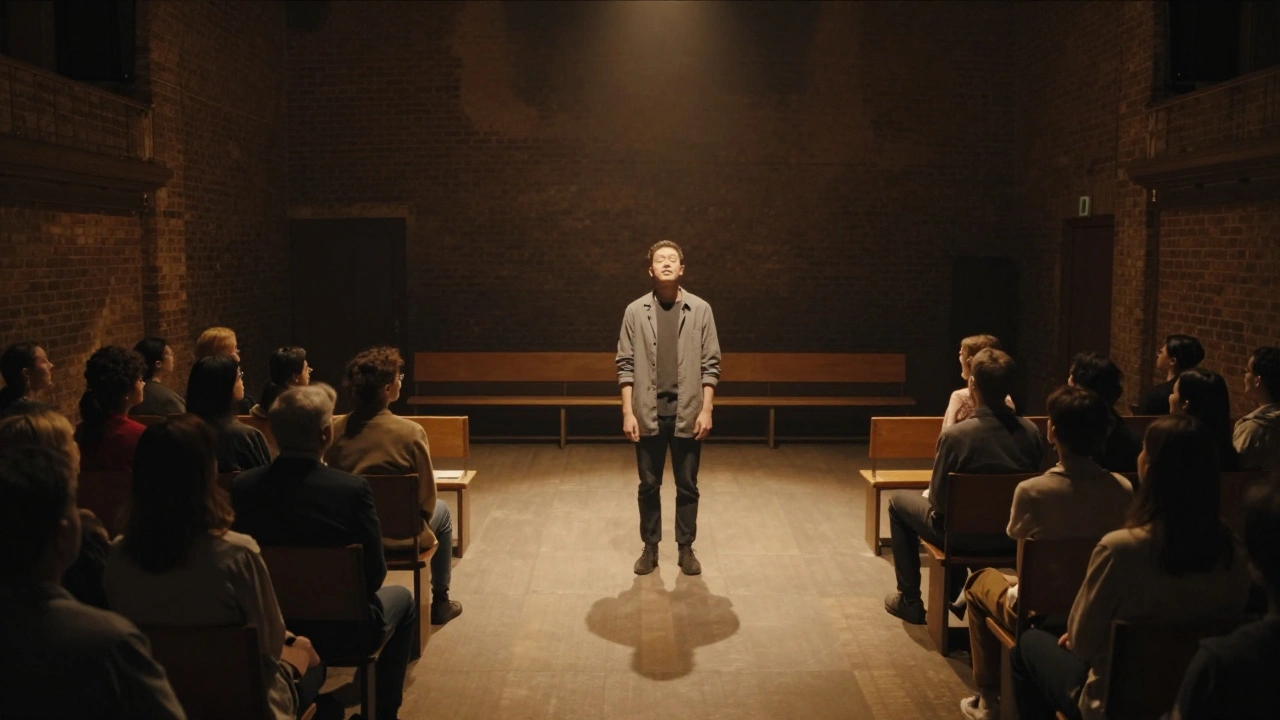
When you think of London’s theatre scene, the big names usually come to mind: the Royal Shakespeare Company, the National Theatre, or the glittering lights of the West End. But tucked away in Covent Garden, behind a modest red-brick facade, sits a space that has quietly reshaped British theatre for over 30 years. The Donmar Warehouse isn’t just another venue. It’s where some of the most powerful performances in modern theatre have been born - stripped back, raw, and unforgettable.
What Makes the Donmar Warehouse Different?
Most West End theatres hold 800 to 1,500 people. The Donmar Warehouse seats just 250. That’s not a limitation - it’s the point. With no more than a few rows of seats surrounding the stage, every performance feels intimate, almost personal. You’re not watching actors from a distance. You’re in the room with them. The breath they take, the flicker in their eyes, the silence between lines - it all lands with a force you won’t find in larger houses.
Opened in 1977 as a storage warehouse for the nearby Covent Garden Market, the space was transformed into a theatre in 1992 by director Sam Mendes. He didn’t just want a new stage. He wanted a laboratory - a place where bold ideas could be tested without the pressure of commercial success. That spirit still lives today. The Donmar doesn’t chase blockbusters. It chases truth.
Groundbreaking Productions That Changed Theatre
Over the years, the Donmar has become known for reinventing classics and giving new plays a home. In 2008, it staged a gender-swapped version of King Lear with Harriet Walter in the lead. No prosthetics, no costume gimmicks - just a woman embodying the rage, vulnerability, and madness of a king. Critics called it a revelation. Audiences sat in stunned silence. It later transferred to New York and won international acclaim.
In 2014, Julius Caesar was set in a modern political campaign office. The cast wore suits. The senators argued with smartphones. The assassination wasn’t staged with swords - it was a quiet, chilling moment in a boardroom. The production didn’t just update Shakespeare; it made him feel urgent, alive, and terrifyingly relevant.
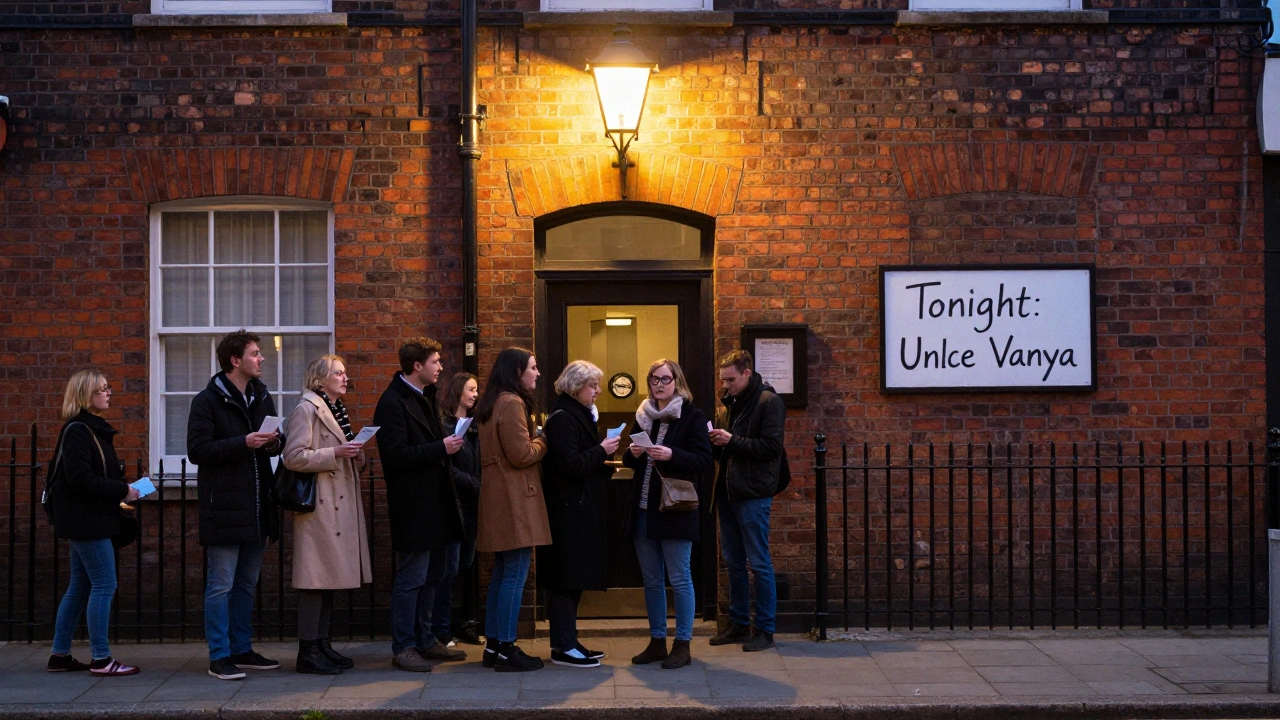
And then there’s Uncle Vanya in 2020. With a cast including Tom Burke and Maxine Peake, the production stripped Chekhov’s drama down to its bones. No grand sets. No orchestral music. Just five actors, a few chairs, and a single window overlooking a quiet garden. The silence between lines spoke louder than any dialogue. It was nominated for five Olivier Awards.
How the Donmar Shapes Talent
Many of today’s biggest British actors got their breakthrough at the Donmar. Tom Hiddleston starred in Coriolanus here before becoming Loki. Carey Mulligan appeared in Three Sisters before her Hollywood rise. Claire Foy, Andrew Scott, and David Tennant all cut their teeth on its small stage.
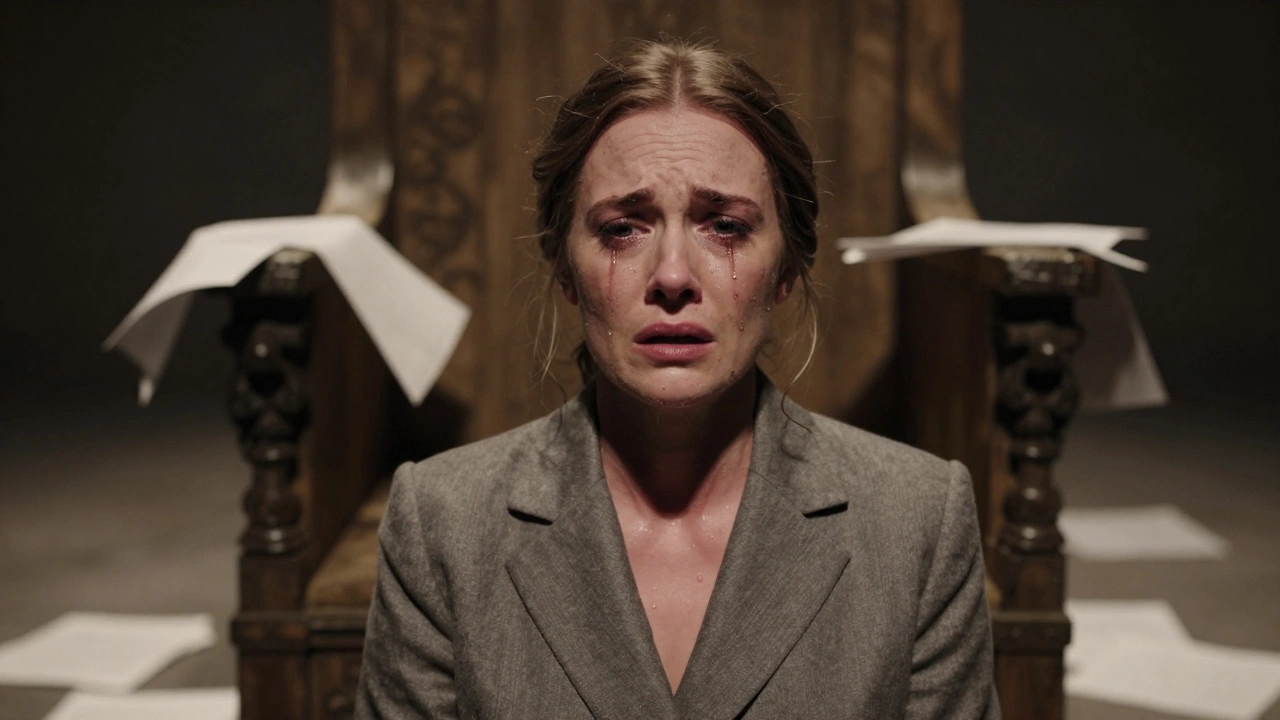
It’s not just actors. Directors like Phyllida Lloyd and Michael Grandage built their reputations here. The Donmar doesn’t hire stars to sell tickets. It hires artists who want to take risks. That’s why so many actors say working here feels different - like being part of something sacred.
The Donmar’s Influence Beyond London
While it’s physically small, its reach is enormous. Productions from the Donmar regularly transfer to Broadway, tour across the UK, and stream globally. In 2021, their acclaimed Twelfth Night with Maxine Peake was broadcast to cinemas worldwide. People in Tokyo, Sydney, and Chicago sat in darkened theatres, watching the same performance that had just finished in Covent Garden.
It’s also a training ground for emerging writers. The Donmar’s New Writing Programme has launched over 50 new plays since 2005. Playwrights like Lucy Kirkwood and Roy Williams got their first major productions here. Many of these plays later won awards and were picked up by larger theatres.
Why It Still Matters in 2026
In a world where streaming and AI-generated content dominate entertainment, the Donmar Warehouse stands as a quiet rebellion. It doesn’t need a massive budget. It doesn’t need special effects. It needs one thing: a room full of people willing to be present.
There’s no box office frenzy for Donmar tickets. You won’t find celebrity paparazzi outside. But the waiting list for tickets? It’s long. People come back because they’ve felt something here they can’t get anywhere else. A performance that lingers. A story that changes how you see the world.
It’s not about prestige. It’s about honesty. The Donmar doesn’t try to impress. It tries to move you. And in a time when everything feels loud and fast, that’s the rarest thing of all.
What to Expect When You Visit
If you’re planning a visit, here’s what you’ll find:
- Seating: Only 250 seats - no bad view, no distant balcony. Every seat feels like front row.
- Atmosphere: No grand foyer. No chandeliers. Just warm lighting, wooden benches, and a bar that feels more like a friend’s kitchen.
- Tickets: Prices start at £15 for standing room. Even the most popular shows rarely cost over £50.
- Location: 41 Earlham Street, Covent Garden. A five-minute walk from Covent Garden Tube station. No need to book a taxi - it’s easy to reach on foot.
- When to go: The season runs from September to June. Most productions last 6-8 weeks. Check their website for the next play - you’ll want to be early.
Don’t expect luxury. Expect honesty. Don’t expect spectacle. Expect soul.
How It Compares to Other London Theatres
| Feature | Donmar Warehouse | West End Theatres | National Theatre |
|---|---|---|---|
| Seating Capacity | 250 | 800-1,800 | 1,150 |
| Ticket Price Range | £15-£50 | £30-£150+ | £10-£70 |
| Production Style | Intimate, experimental, actor-driven | Commercial, large-scale, spectacle-focused | Classic and new works, often ambitious |
| Transfer Rate to Broadway | High - many award-winning transfers | Common for hits | Occasional |
| Focus | Artistic risk, new voices, emotional truth | Box office success, star power | Public funding, national representation |
The Donmar doesn’t compete with the West End. It offers something else entirely. Where West End shows are about entertainment, the Donmar is about connection. You don’t leave a Donmar show feeling dazzled - you leave feeling changed.
Is the Donmar Warehouse part of the West End?
Yes, technically. The Donmar Warehouse is located in Covent Garden, which falls within the official West End theatre district. But it’s not a commercial West End theatre in the traditional sense. While big musicals and star-driven plays dominate the larger venues, the Donmar focuses on intimate, often experimental productions. It’s part of the West End geographically, but artistically, it’s in a league of its own.
How do I get tickets to a Donmar Warehouse show?
Tickets are sold through the Donmar’s official website. There’s no box office on-site - you must book online or by phone. Shows often sell out weeks in advance, especially for high-profile productions. The best strategy is to sign up for their email newsletter - they send out early access codes to subscribers before public sales. Standing tickets are available for £15 and are released on the day of the performance.
Can I bring children to Donmar Warehouse shows?
It depends on the show. The Donmar doesn’t have age restrictions built into its policy, but most productions are for adults. Plays often deal with complex themes like grief, power, or mental illness. If you’re unsure, check the show’s content warning on their website. Some family-friendly adaptations, like their annual Christmas show, are suitable for ages 12 and up. Always confirm before booking.
Are there any discounts for students or seniors?
Yes. Students with a valid ID can get £10 tickets for selected performances. Seniors over 60 get discounted rates on certain days, usually midweek. There’s also a Pay What You Can night on the final performance of each run - a chance to see the show with no fixed price. These tickets are limited and released online 48 hours before the show.
What’s the best way to experience the Donmar if I’m visiting London?
Plan ahead. Don’t wait until the last minute - popular shows sell out fast. Pair your visit with a walk through Covent Garden, then grab a drink at the Donmar’s small bar before the show. Arrive 20 minutes early. The space is small, and latecomers aren’t admitted once the performance starts. And don’t rush out after the curtain falls. Many audience members stay to talk - it’s part of the experience.
If you’ve ever wondered what theatre can be when it’s not trying to sell you anything - just to move you - then the Donmar Warehouse is the answer. It’s not the biggest. It’s not the flashiest. But in 2026, it’s still the most honest.