You walk into your London flat, and the excitement of moving here fades quickly when you step into the ensuite. It’s tight. Tighter than expected. You imagine a relaxing sanctuary, something out of a boutique hotel, but instead, you see a cramped box that feels more industrial than inviting. That’s the London conundrum in 2026. We crave space, warmth, and luxury, yet we live in historic buildings built before elevators were invented.
London Bathroom Design has evolved. It’s no longer just about squeezing a bath where it doesn’t fit. It is about transforming a few square meters into a retreat without triggering the neighbors’ complaints or breaking the building lease terms. Creating a spa-like environment in a confined footprint requires strategy, not just aesthetics. It demands understanding how light bounces off tiles, how heat radiates underfoot, and where you actually hide your shampoo bottles.
The Reality of London Square Footage
Most London homes, especially those in older districts like Kensington or Hackney, weren’t built with open-plan showers in mind. Many bathrooms measure under five square meters. When you add plumbing walls, the usable floor area shrinks significantly. The goal isn’t to compete with a country manor’s master suite. It’s to maximize every millimeter so the room feels breathable.
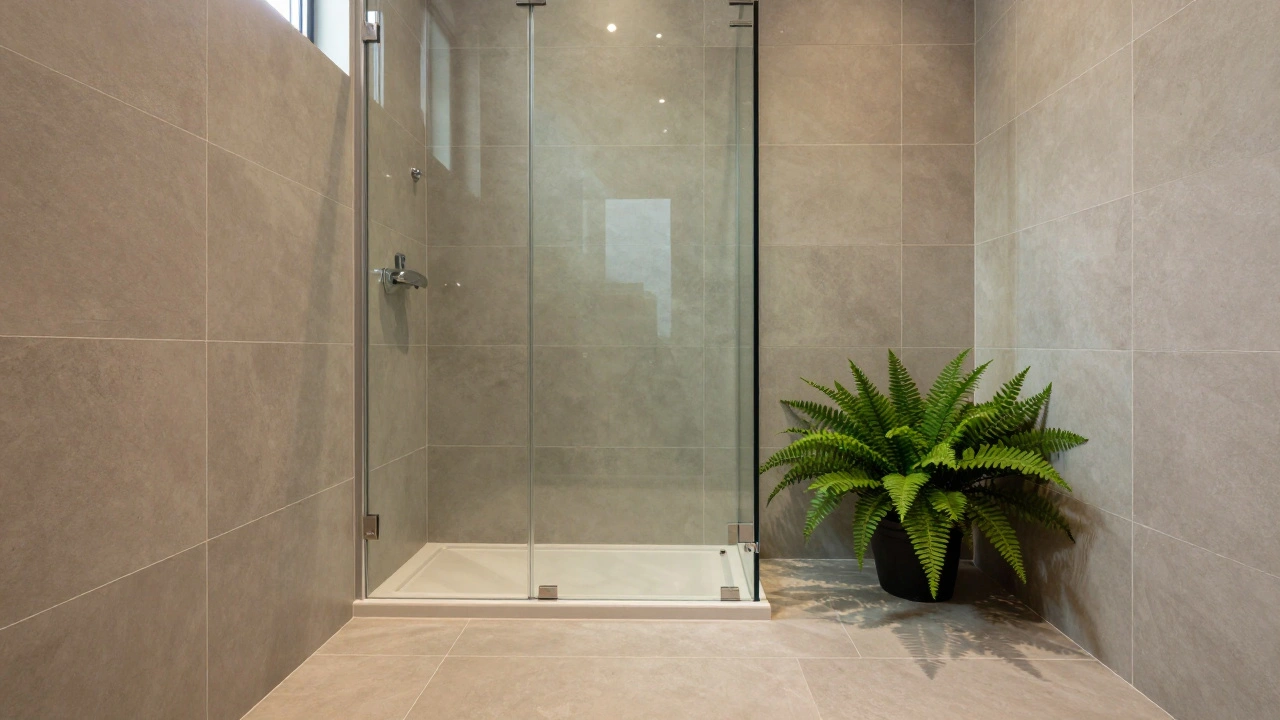
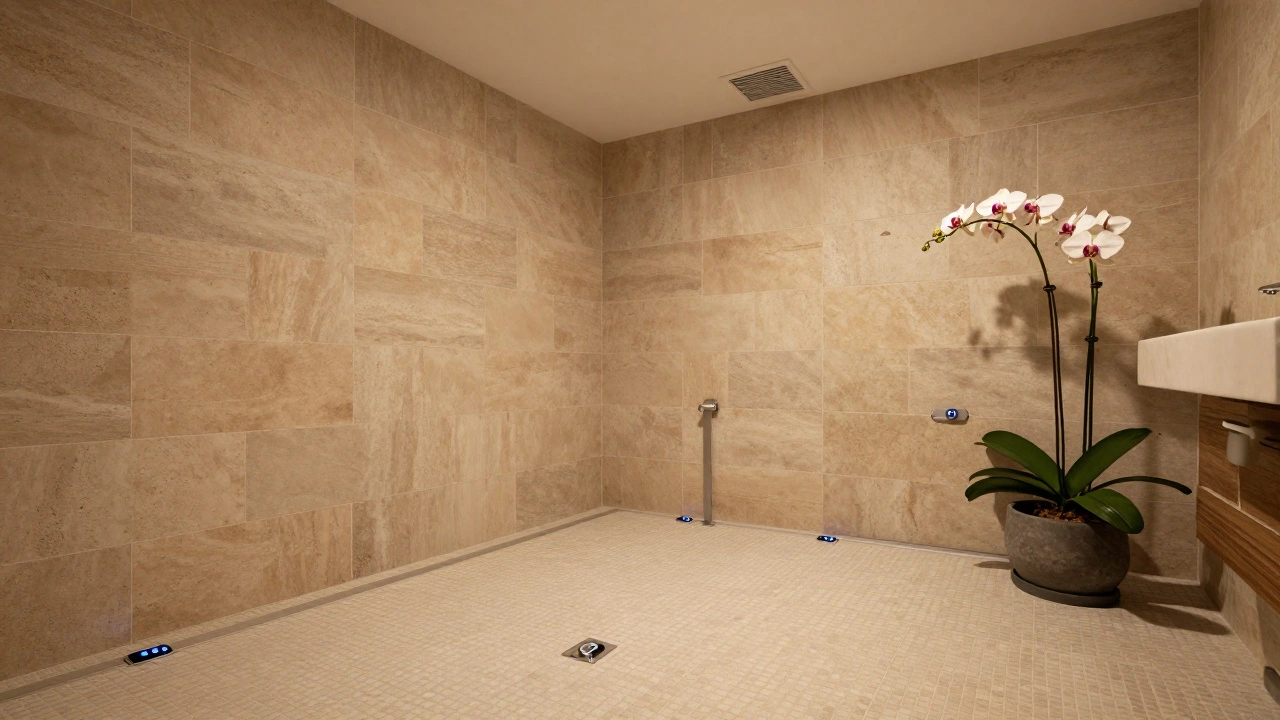
Wet RoomsFully Tiled Shower Areas have become the gold standard for small spaces. Instead of a shower tray taking up visual real estate, the entire floor is waterproofed and tiled seamlessly. This eliminates trip hazards and creates a continuous line of sight that tricks the brain into seeing more floor than exists. For a spa feel, this is crucial. Water runs freely across large-format tiles rather than getting trapped in corners.
If you don’t want a full wet room due to drainage regulations in your specific period property, consider a quadrant shower enclosure. A frameless glass screen looks invisible compared to chrome rails. It allows light to travel uninterrupted from the window to the back wall, doubling the perceived depth of the room.
Lighting Layers That Create Atmosphere
In a small room, a single ceiling bulb creates shadows and makes corners feel closed in. You need layers of illumination to mimic the softness of a professional wellness center. Start with general ambient lighting. Recessed downlights set into a plasterboard ceiling provide the base layer. But the magic happens with task and accent lighting.
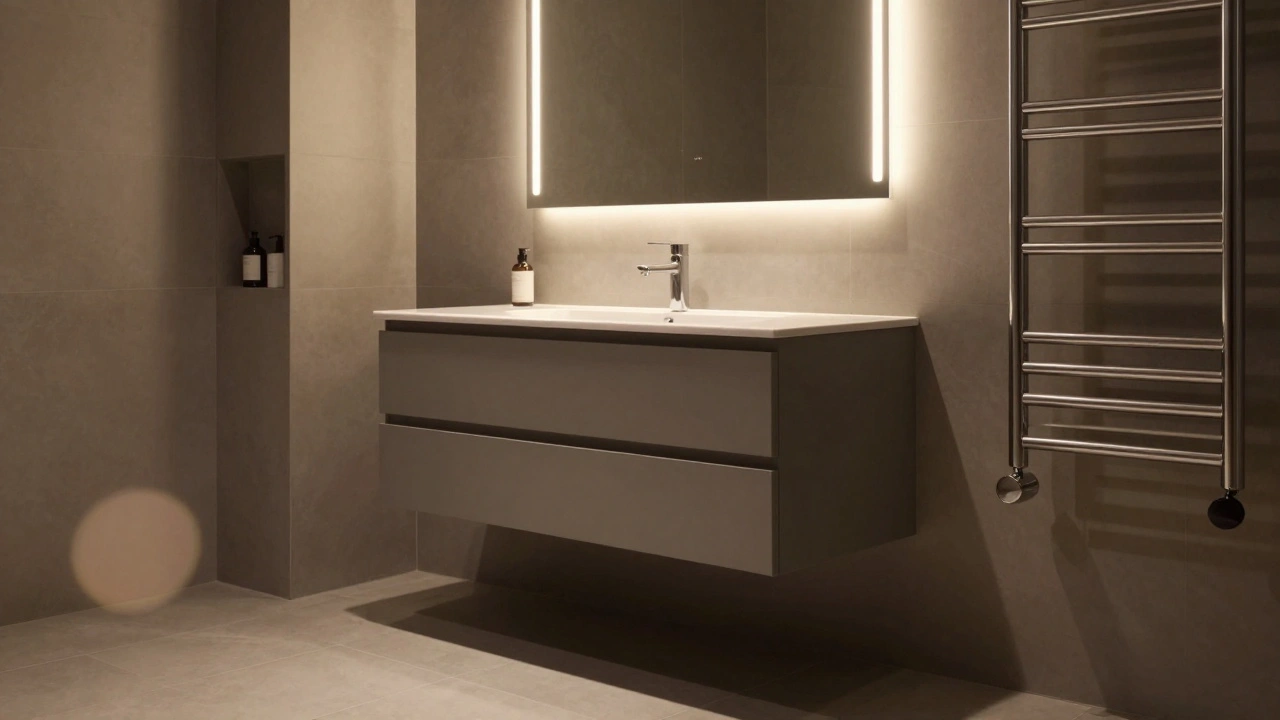
Mirror LightingStrategic illumination around vanity areas to reduce shadows is non-negotiable. Don’t rely on overhead lights casting shadows under your nose while you shave or apply makeup. Install vertical LED strips on either side of the mirror, or choose a mirror with integrated backlighting available in most 2026 hardware stores. The color temperature matters. Aim for 3000K to 3500K (warm white). Anything above 4000K feels clinical, like a dentist’s office, which kills the spa vibe immediately.
- Install dimmers to adjust brightness for morning versus evening routines.
- Place a low-energy spotlight on artwork or a plant in the corner to draw the eye upward.
- Avoid surface-mounted spotlights in very low ceilings; they cut headroom visually.
Heating Solutions for Cold Stone Floors
Luxury starts at your feet. Walking onto a cold ceramic tile ruins the mood instantly. Radiant underfloor heating is the silent workhorse of modern bathroom comfort. It takes up zero visual space because it hides beneath the screed. With London’s increasingly unpredictable spring weather, having warmth coming from the ground makes a 2-meter wide room feel substantial and cozy.
Electric Underfloor HeatingCable-based systems for retrofitting existing floors works best in renovation projects where you aren’t pouring a thick concrete slab. It’s quicker to install and compatible with wooden subfloors common in Victorian conversions. Heat retention tiles, like limestone or porcelain, hold this warmth well throughout the night.
Radiators still play a role, though. A heated towel rail is functional art. Ensure it connects to the main heating circuit if possible, or run a timer alongside the electric mat for towel warmth during peak usage times. This combination keeps the humidity levels managed while keeping towels fluffy.
Smart Storage Tactics
Clutter is the enemy of the spa aesthetic. In a small London bathroom, countertop space is precious. You can’t cover the basin with hair products. You need hidden volume. Recessed storage is the answer.
Utilize the void behind toilets and bathtubs. Build a recessed medicine cabinet that sits flush with the plasterboard before tiling. This way, you store toothbrushes and shampoos without protruding into the walkway. It keeps lines clean. Similarly, install deep niches within the shower zone. These allow you to store washcloths and cleansers inside the water area without needing plastic caddies that rust and look dated.
Wall-hung vanities also contribute significantly to the feeling of spaciousness. By lifting the unit off the floor, you expose more of the tiling underneath. Seeing more floor equals more perceived space. Just remember that wall-hung units require strong stud fixing or reinforced backing within load-bearing masonry.
| Material Type | Space Suitability | Maintenance Level | Spa Feel Score |
|---|---|---|---|
| Porcelain Slabs | High (Large formats) | Low | Very High |
| Natural Stone | Medium (Requires sealing) | Medium | Extremely High |
| Glossy Ceramic | High (Reflective) | Low | Medium |
| Matte Mosaic | Medium (Grout lines) | High | High |
Color and Texture Psychology
We often think white means more space. While it helps reflect light, endless white can feel sterile, like a hospital corridor. For a spa vibe, introduce warmth through texture. Consider matte finish tiles in earthy tones. Soft greys, warm sands, or muted greens create depth. They absorb harsh reflections and make the room feel grounded.
Biophilic DesignNature-Inspired Interiors is huge in 2026 interiors. Integrating plants that thrive in humidity adds life. Ferns or orchids tolerate the steam well. Placing a tall potted plant in a neglected corner breaks up the hard geometry of the room. This connects the indoors with the outdoors, making the small space feel organic rather than boxed in.
Ventilation and Air Quality
A spa experience fails if you smell damp mold two days later. Proper airflow is technically boring but critically important. London flats often lack external windows in internal bathrooms. Passive fans that rely on air pressure differences are unreliable.
Invest in a mechanical extractor fan linked to a humidity sensor. In 2026, many models are nearly silent. They switch on automatically when moisture rises after a hot shower and turn off once the room dries. Place the intake vent near the floor and the exhaust near the ceiling to create cross-flow. This prevents condensation buildup on cold surfaces, protecting your investment in drywall and paint.
Tackling Plumbing Constraints
Retrofitting old London plumbing is messy. Pipes run along joists, often perpendicular to where you want your new fixtures. Moving pipes in solid masonry walls is expensive and disruptive. Before finalizing a layout, map the pipe routes accurately using thermal imaging cameras if necessary.
Sometimes, the only solution is to accept the existing fixture positions. You can’t always move the toilet pan outlet three meters away. Work around what’s already there. Use flexible waste connectors for sinks and toilets to give yourself centimeters of breathing room. Every centimeter saved here allows for a larger cabinet or a wider doorway, improving the flow.
Can I put a bathtub in a very small London bathroom?
Yes, compact soaking tubs exist, but a shower-over-bath setup maximizes utility. Alternatively, a walk-in shower is safer and easier to access, saving valuable floor space for standing movement.
What is the minimum width for a functional walk-in shower?
A comfortable minimum is 80cm by 80cm. Anything smaller feels restrictive. If space is tighter, a quadrant fitting might be necessary, though rectangular designs look more modern and luxurious.
Are wet rooms allowed in London council buildings?
Regulations vary by building management. You generally need approval to alter waterproofing zones. Always check with the freeholder or managing agent before starting works on the drainage slope.
How do I prevent black mold in a sealed wet room?
Ensure the tanking membrane is applied continuously from floor up the wall to 2m height. Use silicone sealants designed for wet areas and check grouting annually for cracks where moisture can penetrate.
Is underfloor heating efficient enough to run constantly?
It is highly efficient because it heats people rather than air. Set timers to run early morning and evening. Continuous running is wasteful unless you use a smart thermostat with presence detection.