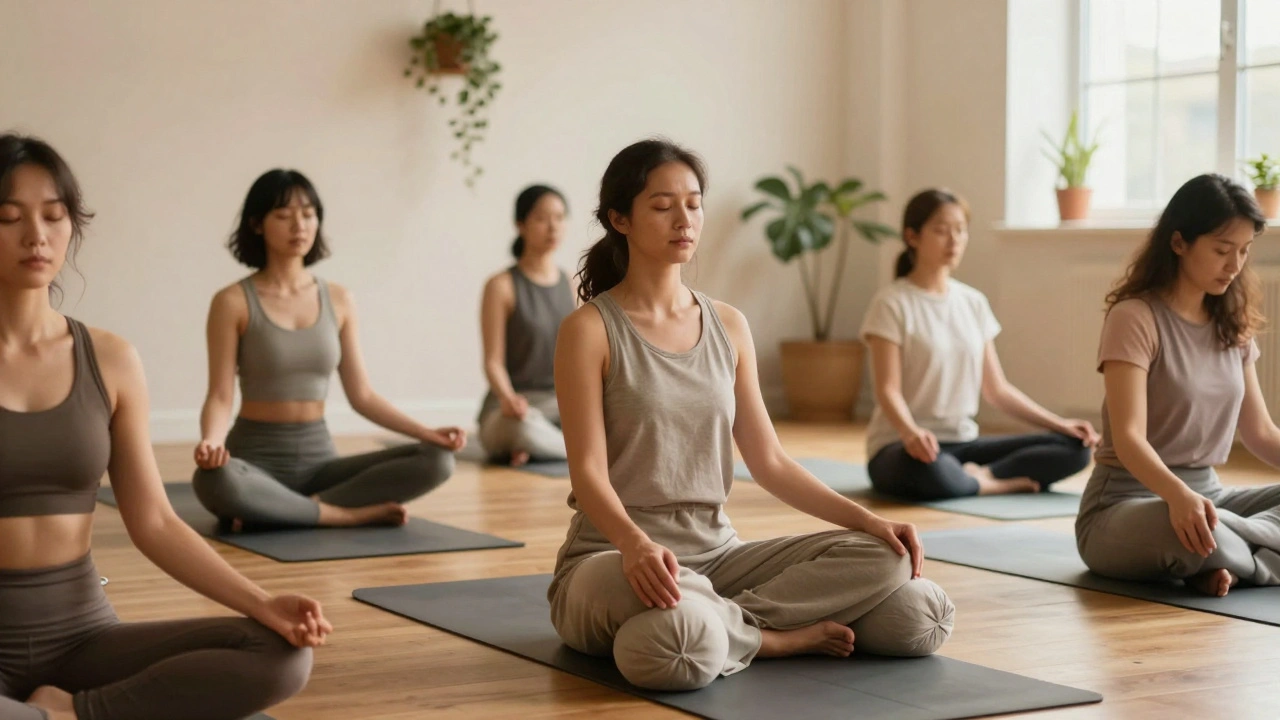
London has over 400 yoga studios, and if you’ve ever walked past one on a busy street in Shoreditch, Notting Hill, or Camden, you know they’re everywhere. But not all yoga is the same. The style, price, and vibe can vary wildly - and choosing the wrong one can leave you frustrated, sore, or just plain bored. If you’re new to yoga or just moving to the city, figuring out which studio fits your life isn’t just about finding a mat. It’s about matching your body, your budget, and your goals.
What Yoga Styles Are Actually Available in London?
Don’t assume all yoga is slow, silent, and full of incense. London’s studios offer a wide range of styles, each with a different rhythm and intensity.
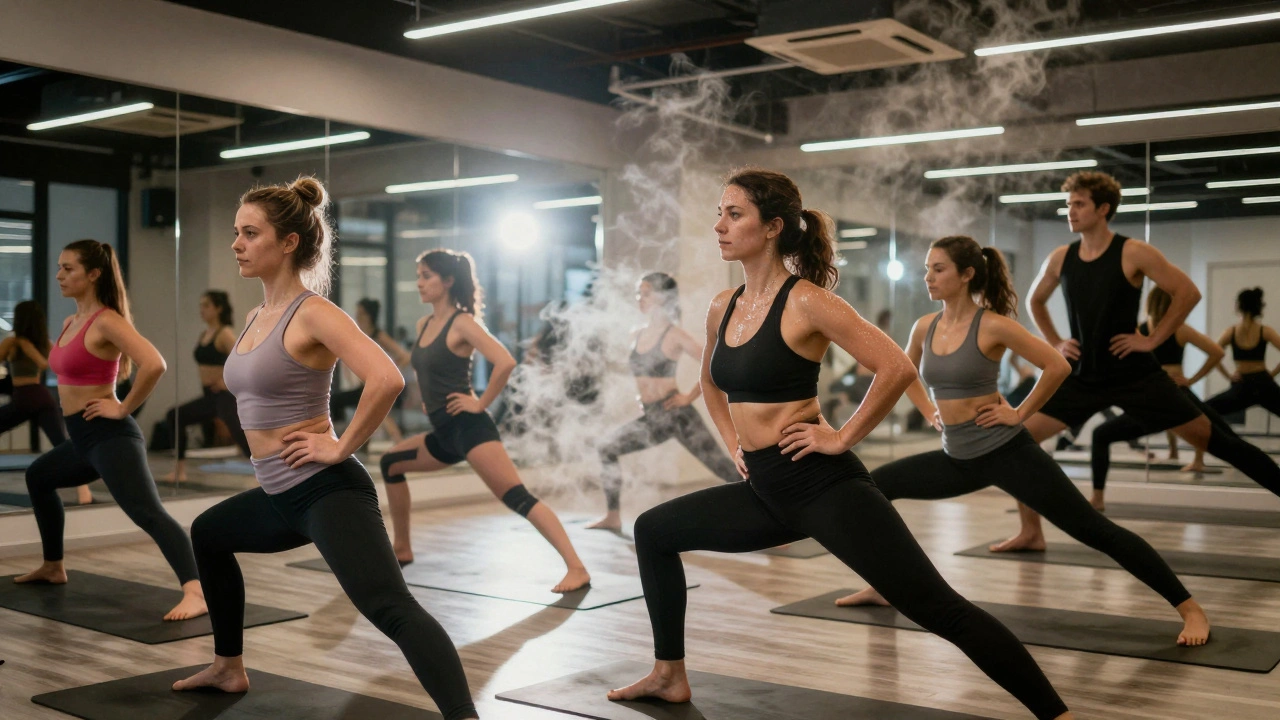
- Hot Yoga (Bikram/Heated Vinyasa): Studios like YogaWorks a chain of yoga studios in London offering heated classes with a focus on alignment and flow and Hot Yoga London a studio specializing in 40°C heated sessions with structured sequences run classes at 38-40°C. You’ll sweat through 26 postures in 90 minutes. Good if you want a cardio boost and to detox through sweat.
- Ashtanga: Think structure, discipline, and repetition. Shambhala Yoga a studio in Islington known for traditional Ashtanga practice with daily Mysore-style sessions offers unguided, self-paced practice in the morning. Not for beginners looking for hand-holding.
- Yin Yoga: Slow, deep, and meditative. Poses are held for 3-5 minutes. Yin & Yang a studio in Richmond focused on passive stretching and nervous system reset is popular with office workers and people recovering from injury.
- Vinyasa Flow: The most common style. Fluid, music-driven, and energetic. Yoga House a studio in Soho offering dynamic Vinyasa classes with live DJs and themed flows blends fitness with fun. Great if you want to move, sweat, and feel energized.
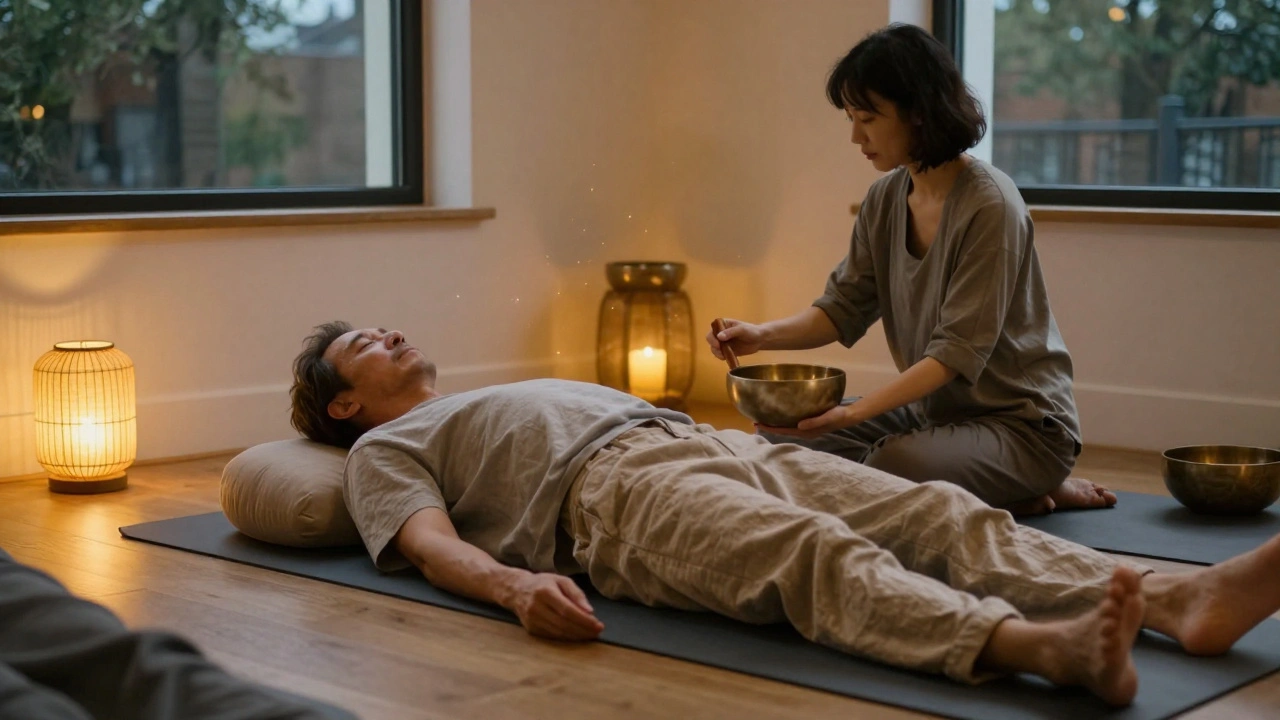
- Restorative Yoga: Blankets, bolsters, and zero effort. The Quiet Space a boutique studio in Hampstead offering 60-minute restorative sessions with aromatherapy and sound baths is ideal for stress relief and sleep issues.
Most studios list their style clearly online. If you’re unsure, call ahead. A good studio will tell you exactly what to expect.
How Much Do Yoga Classes Actually Cost in London?
Prices vary depending on location, studio size, and whether you’re paying per class or buying a package.
| Studio Type | Drop-in Price | Monthly Pass | 10-Class Pack |
|---|---|---|---|
| High-end boutique (e.g., Yoga House, Shambhala) | £22-£28 | £120-£180 | £180-£220 |
| Mid-range chain (e.g., YogaWorks, CorePower) | £18-£22 | £90-£140 | £140-£170 |
| Community studio (e.g., Yoga in the Park, local halls) | £8-£12 | £40-£60 | £60-£80 |
| University/charity-run (e.g., UCL, St. Thomas’ Hospital) | £5-£10 | £25-£45 | £30-£50 |
Most studios offer a free first class for newcomers. That’s your best way to test the vibe without spending a penny. Some even give you a second class free if you sign up after the trial.
Don’t be fooled by the price tag. A £28 class isn’t always better than a £12 one. The difference often comes down to lighting, music, and whether the teacher has a social media following - not necessarily better instruction.
How to Try Yoga Without Getting Locked In
The biggest mistake people make? Signing up for a 12-week package on day one. You don’t know if you’ll like the teacher, the room, or the crowd. And if you hate it? You’re stuck paying for 11 classes you’ll never use.
Here’s how to try yoga the smart way:
- Start with a free trial. Almost every studio offers one. Use it.
- Try at least three different studios in different styles. Don’t just pick the closest one.
- Check the class size. A studio with 20+ people might feel crowded. A class with 5 might feel intimate - or like you’re being watched.
- Watch the teacher. Do they move around? Do they adjust students? Or do they just stand at the front and say "breathe"?
- Ask about no-commitment passes. Some studios sell 5-class packs with no expiry. That’s your safety net.
One woman in Peckham told me she tried 7 studios in 3 weeks before settling on one. "I thought I wanted hot yoga. Turns out I just wanted quiet, slow, and no mirrors." She found her fit at a tiny studio above a laundrette in Brockley. No fancy branding. Just good teaching.
What to Bring - And What to Skip
You don’t need to buy a £90 yoga mat before your first class. Most studios lend mats. But here’s what actually matters:
- Wear something stretchy. No jeans. No baggy hoodies. You’ll be bending, twisting, and inverting.
- Bring a towel. Even if it’s not a hot class, you’ll sweat. Some studios sell towels, but they cost £3.
- Don’t bring your phone. Seriously. Leave it in your bag. The last thing you need is someone snapping a photo of you in downward dog.
- Arrive 10 minutes early. Most studios lock the door 5 minutes after class starts. You’ll miss the breathwork.
Some studios sell yoga gear, but you don’t need it. A pair of old leggings and a cotton T-shirt will do just fine.
Who Is Yoga Really For?
Yoga isn’t just for flexible people. It’s not just for women. It’s not just for people who meditate or chant.
In London, you’ll find:
- Construction workers doing restorative yoga to recover from back pain.
- Teenagers in East London using Yin Yoga to calm anxiety before exams.
- Retired teachers in Richmond learning Vinyasa to stay mobile.
- Men in their 50s who started because their doctor said "move more."
If you think you’re "not flexible enough," that’s exactly why you should go. Yoga isn’t about touching your toes. It’s about noticing how your body feels - and learning to breathe through discomfort.
One man in Brixton started yoga after a car accident. He couldn’t bend over to tie his shoes. After six months of twice-weekly classes, he could. He didn’t become a yogi. He just became less stiff. That’s enough.
Where to Look for the Best Deals
Don’t just Google "yoga studios London." Use these tips:
- Check TimeOut London - they list weekly free or £5 trial classes.
- Follow local studios on Instagram. Many post last-minute drop-in deals: "2 classes for £10 this week only."
- Ask at your local library or community center. Many run low-cost classes run by volunteer teachers.
- Look for university partnerships. UCL, King’s College, and LSE offer discounted classes to the public.
- Try apps like ClassPass. It lets you book classes across 50+ studios for a flat monthly fee - but read the fine print. Some studios exclude hot yoga.
There’s no "best" studio. There’s only the one that fits your life right now. And that might change next month. Or next year. Yoga isn’t a commitment. It’s a conversation - with your body, your breath, and your schedule.
Can I try yoga for free in London?
Yes. Almost every yoga studio in London offers at least one free class for newcomers. Some give you two free classes if you sign up after the first. Check their websites or call ahead - don’t just show up. Some studios require you to book the trial online in advance.
Which yoga style is best for beginners?
Hatha or Yin yoga are the most beginner-friendly. Hatha moves slowly and explains each pose. Yin is gentle and restful, perfect if you’re stiff or stressed. Avoid Ashtanga or Hot Yoga on day one - they’re intense and assume you already know the basics. Look for classes labeled "beginner," "gentle," or "intro."
Are yoga studios in London worth the price?
It depends. A £25 class might feel expensive if you’re on a tight budget, but if the teacher is skilled, the space is calm, and you leave feeling better - then yes. Compare it to a coffee or a gym membership. Yoga often costs less than a monthly gym pass and gives you mental and physical benefits. Try a trial class first. If it doesn’t click, move on. You’re not locked in.
Do I need to be flexible to do yoga?
No. In fact, yoga is most useful if you’re not flexible. Many people start because they can’t reach their toes, sit upright, or sleep well. Yoga isn’t about bending into pretzels. It’s about learning to breathe, move gently, and listen to your body. Teachers will show you modifications - even if you can’t touch your knee, you can still do the pose.
What’s the difference between yoga studios and gym classes?
Gym yoga classes are often short (45 minutes), fast-paced, and focused on movement. Studio yoga is longer (60-90 minutes), slower, and includes breathwork, relaxation, and sometimes meditation. Studio teachers are usually trained in yoga philosophy, not just fitness. The vibe is calmer, quieter, and less about burning calories and more about feeling grounded.