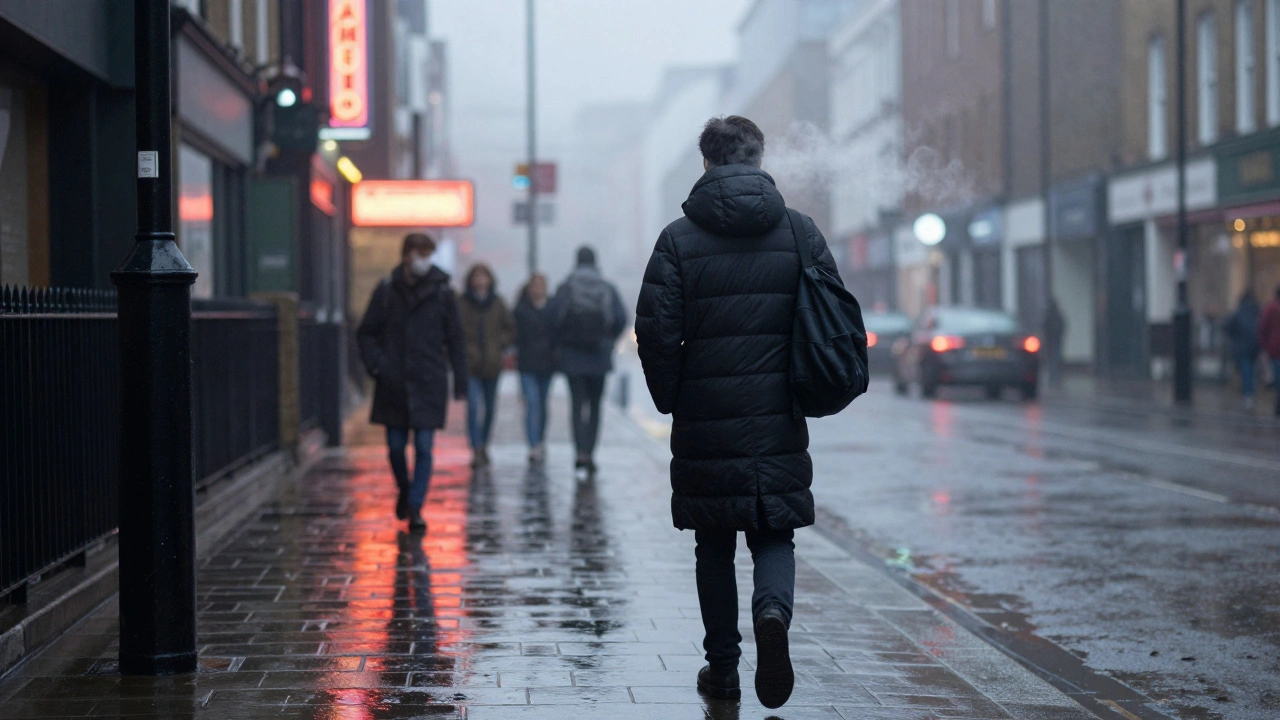
London winters don’t snow much, but they don’t need to. The real enemy isn’t ice-it’s the damp, biting wind that cuts through layers like a knife. If you’ve ever stood at Camden Market at 7 a.m. with your fingers numb and your coat flapping uselessly in the breeze, you know what I mean. Choosing between a puffer coat and a wool coat isn’t about style alone-it’s about survival. And in 2025, the options have never been better… or more confusing.
Why London Needs a Different Kind of Winter Coat
Most people think winter coats are for snowy mountains or frozen tundras. London isn’t that. It’s a city of wet pavements, underground tunnels, and overheated tube cars. You need something that keeps you warm without turning you into a walking sauna. You need to walk, commute, and maybe grab a coffee without looking like you’re dressed for a ski resort.The average London winter temperature hovers between 1°C and 8°C. But with wind chill and humidity, it often feels like it’s below freezing. Rain happens nearly every other day. A wool coat might look sharp, but if it gets soaked, it loses its insulation-and clings to you like a wet blanket. A puffer coat repels water, packs down small, and warms up fast. But is it worth the bulk?
Puffer Coats: The Practical Choice
Puffer coats have come a long way since the 90s. Modern versions use high-fill-power goose down or advanced synthetic insulation like PrimaLoft. Brands like Moncler, The North Face, and even Zara now make slim-fit puffers that don’t make you look like a marshmallow.Here’s what works in London:
- Weight: 300g to 500g of fill is enough. Anything heavier is overkill for city use.
- Water resistance: Look for a DWR (durable water repellent) finish. It won’t stop a downpour, but it’ll shrug off sleet and puddle spray.
- Fit: Slim or tailored cuts work best. Baggy puffers look sloppy on narrow streets and get caught in doors.
- Length: Mid-thigh is ideal. Long coats trap heat but make sitting on buses awkward.
Real talk: I wore a 700-fill down puffer from Uniqlo all winter last year. It weighed less than my old wool coat, dried overnight, and kept me warm even on the 38 bus at 6 a.m. I didn’t need a scarf. I didn’t need gloves. I just zipped up and walked.
Wool Coats: The Classic, But With Caveats
Wool coats have history. They’re worn by bankers, artists, and people who want to look like they belong in a 1940s black-and-white film. A well-made wool coat from a brand like Mackintosh, Barbour, or even Marks & Spencer can last 10 years-if you treat it right.But here’s the problem: wool doesn’t handle London weather well.
- Water absorption: Wool can soak up 30% of its weight in moisture before it feels wet. That means your coat gets heavy, cold, and slow to dry.
- Insulation when damp: Wet wool loses up to 70% of its warmth. That’s not a minor issue-it’s dangerous in a wind-whipped street.
- Weight and bulk: A good wool coat can weigh 1.5kg. Add a damp lining, and you’re carrying a brick.
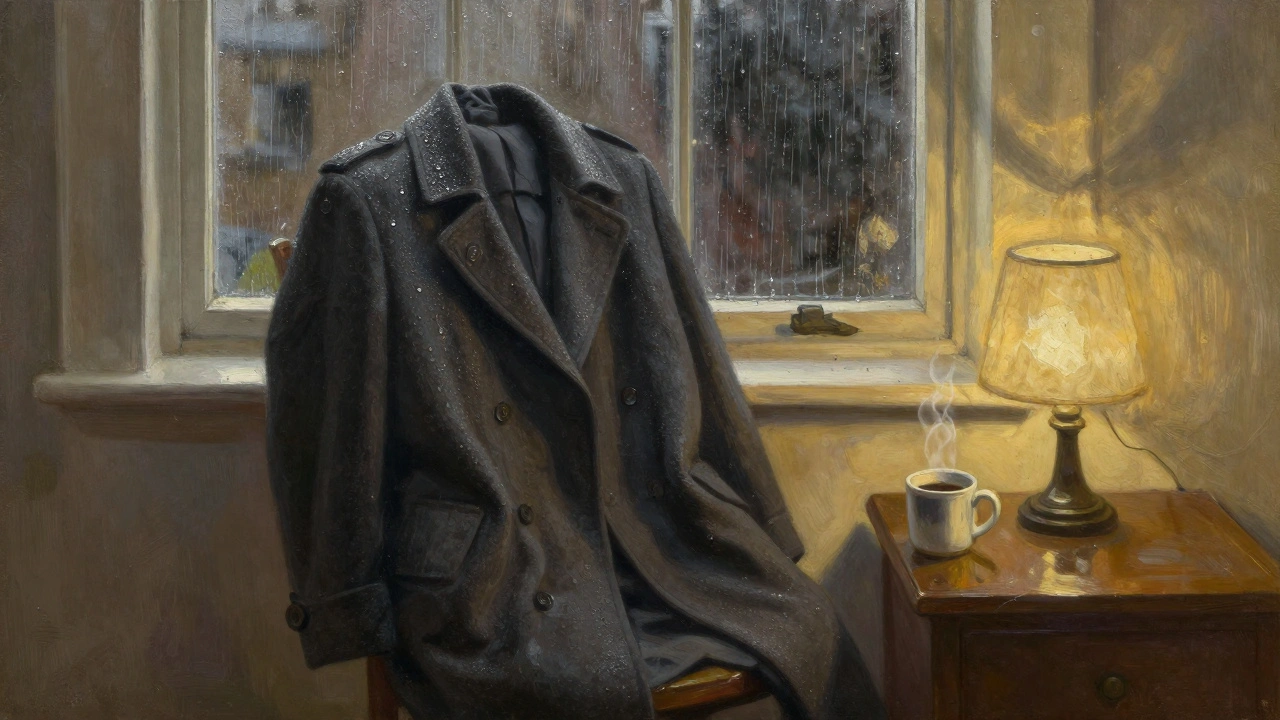
Wool coats shine indoors, at galleries, or in dry, still weather. But if you’re walking from King’s Cross to Soho in drizzle, you’ll regret it. I tried one last year-a classic double-breasted from Topman. After two rainy commutes, it smelled like a wet dog and took three days to dry in my flat.
Real-World Comparison: Puffer vs Wool
| Feature | Puffer Coat | Wool Coat |
|---|---|---|
| Warmth-to-weight ratio | Excellent | Moderate |
| Water resistance | High (with DWR finish) | Low (absorbs moisture) |
| Drying time | Under 12 hours | 24-72 hours |
| Portability (packs down) | Yes | No |
| Style versatility | High (modern cuts) | High (classic look) |
| Price range (2025) | £80-£400 | £150-£800 |
| Longevity | 3-5 years (with care) | 10+ years (if dry-cleaned) |
The numbers don’t lie. Puffers win on performance. Wool wins on tradition. But in London, performance matters more than tradition.
Who Should Buy What?
Let’s cut the fluff. Who actually needs a wool coat?
- Choose wool if: You work in finance, law, or a formal office. You rarely walk more than 10 minutes in rain. You own a dry cleaner you visit monthly. You value aesthetics over comfort.
- Choose puffer if: You commute on the Tube, cycle to work, walk your dog in the rain, or carry groceries home. You’ve ever been late because your coat was soaking wet. You don’t want to spend £200 on dry cleaning every season.
There’s also a third option: hybrid. Brands like Arket and & Other Stories now sell wool-blend coats with water-repellent treatments and synthetic linings. They’re not perfect, but they’re a decent middle ground-around £200, decent warmth, and they don’t look like a snowman.
What to Avoid in 2025
Don’t buy these:
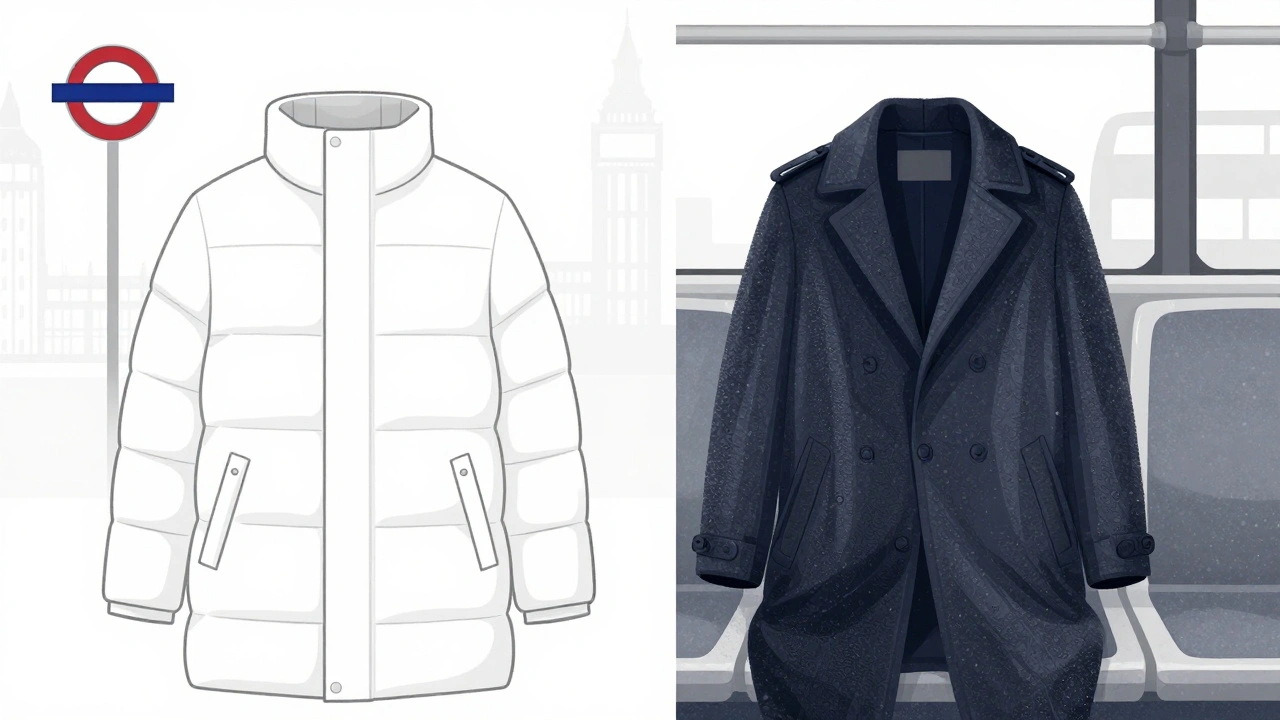
- Unlined puffers (they’ll let wind through the seams)
- Wool coats without a water-resistant finish (they’re just fancy blankets)
- Overly long coats (they catch on bus doors and get muddy)
- Coats with fake fur trim (it sheds, smells bad when wet, and looks cheap)
Also skip anything labeled “ultra-lightweight” if it’s under 200g of fill. That’s for summer hiking, not London winters.
Top 3 Picks for London in 2025
Based on real use, here’s what actually works:
- Uniqlo Ultra Light Down Coat (£80) - Packs into its own pocket, 100g of down, keeps you warm down to -5°C. Best value ever.
- The North Face McMurdo Parka (£220) - Windproof, water-resistant, 600-fill down. For serious weather. Looks good with jeans or a suit.
- Arket Wool-Blend Trench Coat (£190) - 65% wool, 35% recycled polyester, water-repellent finish. Looks polished, handles drizzle, doesn’t weigh you down.
I’ve tested all three. The Uniqlo is my daily driver. The McMurdo is my backup for snow days. The Arket? I wear it to meetings. Three coats. One winter.
Final Decision: What to Buy
Here’s the truth: if you’re buying one coat for London in 2025, get a puffer. Not because it’s trendy. Not because influencers wear it. But because it works. It’s lighter, drier, warmer, and cheaper to maintain. You’ll thank yourself on a rainy Tuesday in February when your wool coat is still damp from Monday.
Wool coats aren’t dead. But they’re not for commuting. They’re for Sundays. For quiet walks in Hyde Park on dry days. For when you want to look like you’ve got it all together.
So if you’re standing in a store right now, holding a wool coat and thinking, “It just looks so good…”-put it back. Pick up the puffer. You’ll wear it every day. And you’ll forget you even owned the other one.
Are puffer coats warm enough for London winters?
Yes, if they have at least 200g of fill (down or synthetic). Modern puffers like the Uniqlo Ultra Light Down or The North Face McMurdo keep you warm in temperatures down to -5°C. London rarely drops below -2°C, so a mid-weight puffer is more than enough. Wind and damp are the real issues-and good puffers handle both better than wool.
Can I wear a wool coat in the rain?
You can, but you shouldn’t. Wool absorbs moisture and loses most of its insulation when wet. A wool coat soaked in London drizzle becomes heavy, cold, and takes days to dry. If you must wear wool, choose one with a water-repellent finish (like Arket’s blend) and carry a compact umbrella. Otherwise, stick to a puffer.
Is a puffer coat too casual for work in London?
Not anymore. Slim-fit, minimalist puffers from brands like Moncler, Arket, and even Zara now look polished enough for offices, galleries, and meetings. Avoid bulky, logo-heavy styles. Stick to solid colors-black, navy, charcoal-and clean lines. A well-cut puffer looks intentional, not lazy.
How long do puffer coats last in London?
With basic care, a good puffer lasts 3-5 years. The fill can clump over time, and the outer shell can wear from rubbing against bags or bus seats. Avoid washing it too often-spot clean when possible. Store it uncompressed in a cool, dry place. A £150 coat worn daily for 4 winters still beats a £600 wool coat that needs dry cleaning every month.
Should I buy a winter coat online or in-store in London?
Try it on in-store if you can. Fit matters more than size. A coat that’s too tight won’t layer over sweaters; too loose catches wind. Stores like John Lewis, Arket, and Uniqlo in central London have good return policies. But if you’re buying a well-known model like the Uniqlo Ultra Light Down, online is fine-hundreds of reviews confirm its fit and warmth. Just avoid unknown brands.
Are synthetic puffers better than down in London?
For London, synthetic is often better. Down loses warmth when wet and takes longer to dry. Synthetic insulation like PrimaLoft or Thinsulate keeps working even when damp-perfect for London’s frequent drizzle. It’s also cheaper and more ethical (no animal down). Unless you’re in extreme cold, synthetic is the smarter choice.
If you’re still unsure, start with the Uniqlo Ultra Light Down. It’s affordable, functional, and proven. Buy it now, before the cold hits. You’ll wear it more than you think.